Cranberry is often discussed in connection with women’s urinary tract care, but the topic is easy to oversimplify. Food, juice, extracts, capsules, and combination formulas may differ in concentration, serving size, and added ingredients, so a thoughtful approach starts with understanding what the product is designed for. Current evidence suggests cranberry products may lower the overall risk of recurrent urinary tract infections for some women with a history of UTIs, but cranberry is not a treatment for an infection that is already present. Anyone with burning urination, blood in the urine, fever, back pain, or rapidly worsening symptoms should seek professional medical advice rather than relying on a supplement.
What cranberry can and cannot do
Cranberry contain naturally occurring compounds, including proanthocyanidins, that are commonly discussed in urinary tract research. The relevant question is not whether cranberry is a universal solution, but whether a particular product fits a person’s ongoing care routine and health circumstances. Research summaries from the National Center for Complementary and Integrative Health indicate that cranberry may be useful for lowering the chance of recurrent UTIs in some women who have had previous infections, while it should not be used as treatment for an existing UTI. This distinction matters because persistent urinary symptoms can require testing and prescribed care. A capsule may be convenient, but convenience does not replace diagnosis when symptoms appear.
Everyday habits that belong in the same conversation
Urinary tract care is broader than choosing a cranberry product. Regular fluid intake, responding to the body’s need to urinate instead of repeatedly holding urine, and paying attention to personal hygiene habits can all be part of a practical routine. Tight clothing, long periods without bathroom access, travel, and a busy workday may make these habits harder to maintain, especially for people who spend hours commuting or working at a desk. These factors do not prove that a supplement is needed, but they can help readers identify when daily routines deserve review. If urinary symptoms are new, uncomfortable, or recurring, a clinician or pharmacist can help distinguish routine concerns from a possible infection.
How to compare cranberry supplements
Product labels deserve close attention because “cranberry” can refer to fruit powder, a standardized extract, or a formula combined with other ingredients. Readers can compare the amount per serving, the suggested daily intake, capsule materials, storage instructions, allergen information, and any warnings about pregnancy, medication, or medical conditions. Proanthocyanidin content may be listed separately, but the presence of a number does not by itself establish that a product is suitable for every person. A sensible choice is one with clear labeling that matches the intended routine, rather than one selected solely because it uses words such as high concentration or advanced technology. Dietary supplements should complement informed care, not replace medical evaluation.
A closer look at available product formats
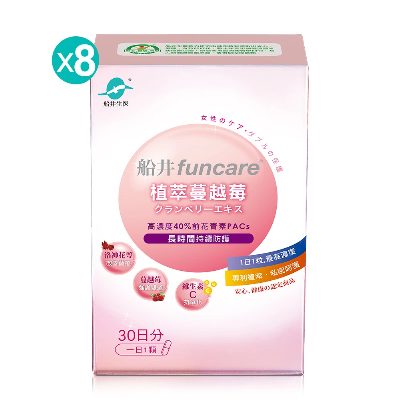
For readers seeking a cranberry-based daily supplement, 船井®植萃蔓越莓私密呵護組(共240顆) combines cranberry extract, hibiscus calyx extract, vitamin C, microcrystalline alpha-cellulose, magnesium stearate, and silicon dioxide. The product information states that each capsule contains 300 milligrams, with general daily use listed as one capsule and a higher-care option listed as two capsules; it also states that taking more is not beneficial. People with an allergy to any ingredient should not use it, and the container should be kept in a cool, dry place away from direct sunlight after opening. The label identifies Taiwan as the country of origin and gives a three-year shelf life.
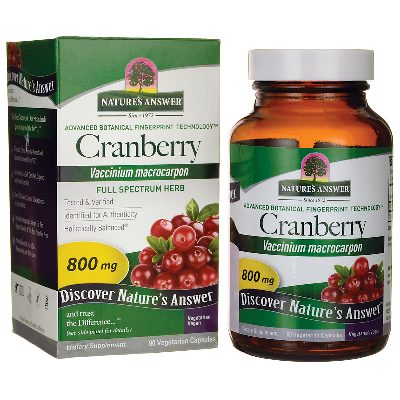
悠活高濃縮蔓越莓私密益生菌膠囊(30粒) is another format combining cranberry extract with probiotics. Its listed serving information includes 250 milligrams of cranberry extract and 30 milligrams of probiotics per capsule, with a suggested intake of two capsules daily and storage in a cool, dry place; the stated shelf life is two years. Cranberry is also the only listed active ingredient in Cranberry, with a serving size of two vegetarian capsules providing 800 milligrams of cranberry fruit and a suggested use of two capsules twice daily with food or water. The product warning advises people who are pregnant, nursing, taking medication, planning a medical procedure, or living with a medical condition to consult a healthcare practitioner before use. Labels should always be checked because formulations and instructions can change.
When urinary symptoms need medical attention
A supplement should never delay care for symptoms that may indicate a UTI or another urinary condition. Common symptoms can include burning or pain during urination, needing to urinate more often, sudden urgency, cloudy urine, blood in the urine, and lower abdominal discomfort. Fever, chills, unusual weakness, vomiting, or pain in the back below the ribs can signal a more serious problem and call for urgent assessment. Extra caution is appropriate during pregnancy, in people with diabetes or a weakened immune system, in anyone using a catheter, and when infections recur. Medical guidance is also important when symptoms worsen quickly or fail to improve within about 48 hours after treatment begins.
A practical way to build a personal routine
A useful routine begins with the person’s actual situation: whether there is a history of recurrent UTIs, whether symptoms are currently present, what medications are being taken, and whether pregnancy or another medical condition is relevant. For someone without active symptoms, a clearly labeled cranberry product may be considered as one part of everyday wellness, alongside sensible hydration and regular bathroom habits. For someone with pain, fever, blood in the urine, or back discomfort, the priority is professional assessment rather than selecting a stronger supplement. Keeping the package, ingredient list, and usage instructions available can make conversations with a pharmacist or clinician more efficient. Health information is general guidance only and does not replace individualized medical advice.
The information in this article is for reference only and does not constitute professional advice. For specific decisions, please consult a relevant professional based on your personal situation.