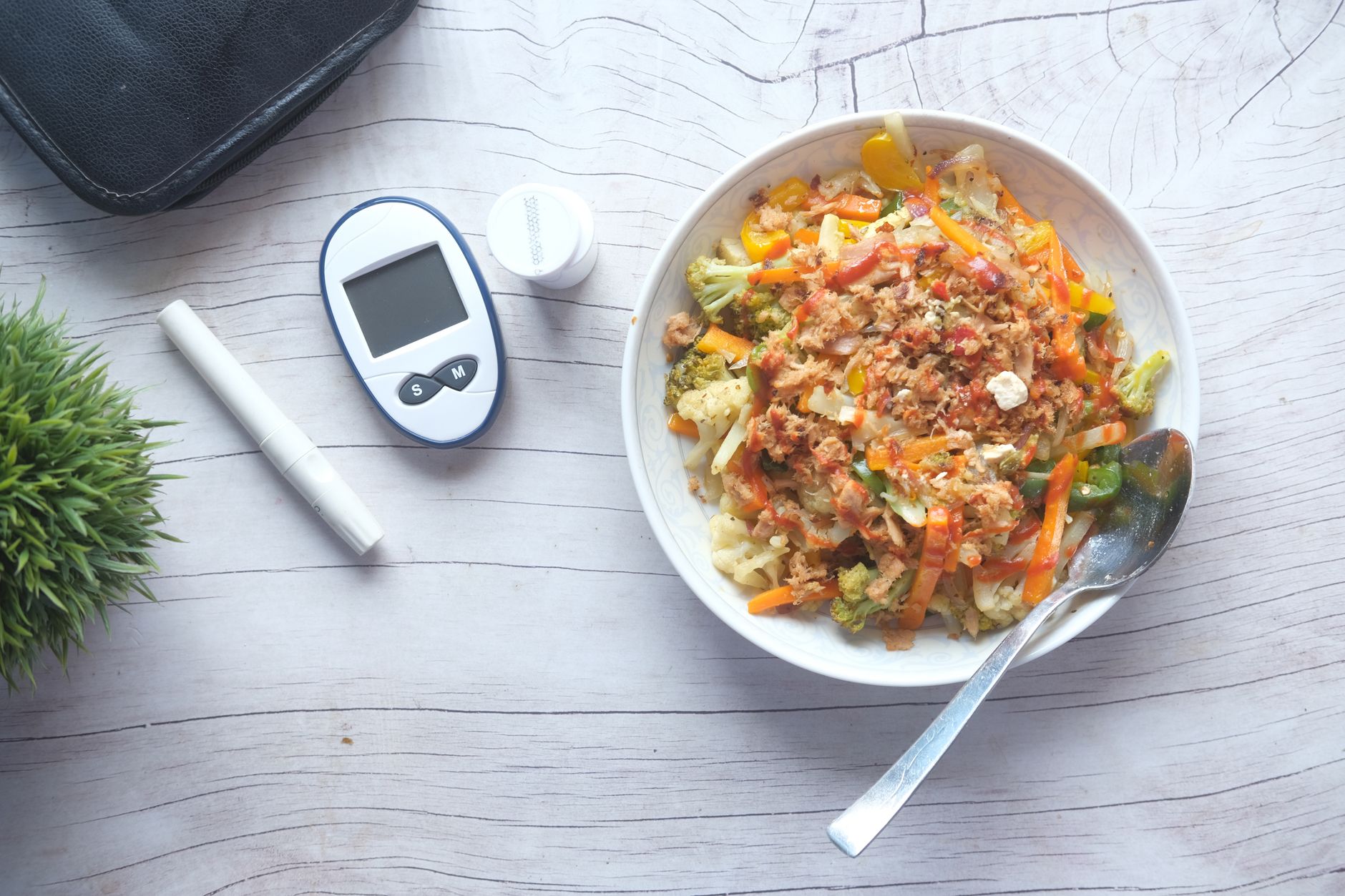
Blood glucose can respond to the amount, type, and timing of carbohydrate foods, as well as the overall balance of a meal. A practical eating pattern does not require eliminating every carbohydrate or relying on a single “blood sugar” product. Instead, it uses consistent portions, fiber-rich foods, adequate protein, and less added sugar while considering medications, activity, and individual health needs. This guide explains how to build meals, assess common claims, and review supplement labels without treating any product as a substitute for professional care.
Start with a balanced plate
The plate method offers a simple visual structure for lunch and dinner. A nine-inch plate can be divided into about half non-starchy vegetables, one-quarter protein, and one-quarter quality carbohydrate foods such as beans, lentils, fruit, whole grains, or starchy vegetables. This approach can be easier to follow than weighing every ingredient, especially for people eating at home or choosing a meal at a workplace cafeteria. For example, a plate might include leafy greens and roasted vegetables, grilled fish or tofu, and a modest serving of brown rice or beans. The goal is not to create a perfect plate at every meal, but to make the overall pattern more consistent.
Carbohydrates are not automatically “bad,” and fruit does not need to be removed simply because it contains carbohydrate. Portion size and the food’s fiber content matter, while sweetened drinks, pastries, and heavily refined snacks are often easier to overconsume. Pairing a carbohydrate food with protein or vegetables can make the meal more satisfying and supports a more structured eating pattern. People using carbohydrate counting should follow the target provided by their clinician rather than copying a general online number.
Choose carbohydrates with more fiber
Fiber occurs naturally in beans, lentils, vegetables, fruit, nuts, seeds, and whole grains. The American Diabetes Association notes that the Dietary Guidelines for Americans recommend at least 14 grams of fiber per 1,000 calories, although personal needs may vary. A gradual increase is usually more practical than adding a large amount at once, because a sudden change can cause gas, bloating, or altered bowel habits. Water intake and tolerance should also be considered when adding more high-fiber foods.
A realistic grocery list might include oats, barley, brown rice, lentils, chickpeas, berries, apples with the skin, broccoli, and leafy greens. “Whole grain” on the front of a package is not enough by itself; the ingredient list and nutrition panel still deserve attention. Products marketed as low sugar may contain refined starch or large portions, so the full carbohydrate, fiber, and added sugar information should be reviewed. For people with kidney disease, gastrointestinal conditions, or a prescribed meal plan, fiber choices should be individualized with a qualified professional.
Common diet myths to avoid
One frequent myth is that cutting out all carbohydrates is the only way to support a stable glucose pattern. Very low-carbohydrate plans may not suit everyone, and removing fruit, legumes, or whole grains can make meals less varied and reduce useful sources of fiber and micronutrients. Another myth is that cinnamon, vinegar, or a supplement can cancel out a high-sugar beverage or oversized dessert. No ingredient can turn an imbalanced meal into a balanced one, and dietary supplements should not replace prescribed treatment.
A second misconception is that a product labeled “natural” is automatically risk-free. Supplements can contain concentrated ingredients, interact with medicines, or be unsuitable during pregnancy, breastfeeding, diabetes, hypoglycemia, or kidney and liver conditions. Berberine, for example, may cause gastrointestinal side effects and can interact with medicines; it should not be used during pregnancy or breastfeeding. Chromium, cinnamon, and berberine have been studied, but available evidence is not strong enough to support definite conclusions for every person. Product decisions should therefore begin with the ingredient list and a clinician or pharmacist’s review.
How to assess a fiber powder
A fiber powder can be considered when regular meals do not provide enough fiber or when convenience matters, but it should complement—not replace—vegetables, legumes, fruit, and whole grains. The label should be checked for the fiber source, serving size, directions, allergens, storage instructions, and any cautions related to medication or medical conditions. A useful comparison asks whether the product fits the person’s daily routine and whether the serving can be introduced gradually. “Sugar-free” or “natural” wording alone does not establish that a product is appropriate.
船井®FIP100膳食纖維粉/調節血脂/ 血糖/膽固醇/三酸甘油脂/胃腸功能改善超值組 (dietary fiber powder) lists resistant maltodextrin Fibersol-2, inulin, and milk protein powder in its product information. The stated use is one packet daily, preferably before a meal, and the powder may be added to water, soup, or another drink; users should follow the package directions and storage instructions. Its product information also identifies a Taiwan health food permit number and includes a request to consult a physician, pharmacist, or nutritionist. Because it contains milk protein powder, people with milk allergy or relevant dietary restrictions should review the label with a professional before use.
Reviewing blood sugar supplement formulas
When comparing supplements, the priority should be transparent labeling rather than dramatic promises. Check the serving size, amount of each active ingredient, other ingredients, warnings, and whether the suggested use conflicts with existing medicines or a prescribed eating plan. A supplement with several botanical ingredients can be harder to assess than a single-ingredient product because interactions and tolerability may differ. Adults with diabetes, hypoglycemia, pregnancy, breastfeeding, or chronic disease should obtain individualized advice before starting one.
Pure Blood Sugar lists chromium from Moringa leaf extract, berberine HCl, and GS4 Plus Gymnema sylvestre extract, with a suggested serving of two vegetable capsules daily with food and water. Its label states that it is intended for adults and includes warnings for pregnant or nursing women and people with diabetes or hypoglycemia. Glucose Stabili-T lists chromium, fenugreek, gymnema, Ceylon cinnamon, bilberry, butcher’s broom, and gotu kola among its listed ingredients. These examples illustrate why a buyer should read the complete formula and warning section rather than choosing a product solely by its name or by a broad “blood sugar support” claim.
Match the approach to daily needs
For a limited-cooking schedule, the plate method can be adapted with frozen vegetables, canned beans rinsed under water, plain yogurt, eggs, tofu, or ready-to-eat whole grains. Someone who travels frequently may need portable options such as unsalted nuts, fruit, or a meal with vegetables and a clearly portioned carbohydrate. For a household managing a tight food budget, beans, lentils, oats, seasonal produce, and frozen vegetables can provide practical building blocks without requiring specialty products. A supplement may be more convenient for some routines, but convenience should not be confused with nutritional completeness.
People who use insulin or medicines that can cause low blood glucose should not make major carbohydrate changes without medical guidance. Monitoring patterns, meal timing, physical activity, and symptoms can provide useful information for a clinician, but home readings should not be used to independently change medication doses. The most suitable plan is the one that can be followed consistently, fits cultural foods and work schedules, and has been adjusted for the person’s medical history. Health information in this article is for general education and is not a diagnosis or individualized treatment plan.
A steady eating pattern is built from repeatable choices: fill much of the plate with non-starchy vegetables, include a sensible portion of fiber-rich carbohydrate, add protein, and keep sugary drinks and highly refined snacks occasional. Product labels can help identify ingredients and serving directions, but no powder or capsule replaces meal quality, movement, prescribed care, or professional advice. Starting with one manageable change—such as replacing a sweetened drink or adding beans to a meal—often makes the plan easier to sustain. Anyone with diabetes, hypoglycemia, pregnancy, breastfeeding, kidney disease, or medication concerns should discuss dietary changes and supplements with a qualified healthcare professional.
The information in this article is for reference only and does not constitute professional advice. For specific decisions, please consult a relevant professional based on your personal situation.