Dietary fiber is often mentioned in nutrition advice, yet many people are still unsure what it is, how many types there are, and how much they need every day. In simple terms, dietary fiber refers to parts of plant foods that the human digestive system cannot fully break down, but which still play important roles in the body. Modern dietary surveys in the US and Europe consistently show that average fiber intake falls below guideline levels for most adults, which has raised growing interest in high‑fiber eating patterns. This article looks at the major types of fiber, summarizes widely used daily intake recommendations, and offers realistic meal ideas for readers who follow Western, mixed, or increasingly plant‑forward diets.
What exactly is dietary fiber?
From a nutrition perspective, dietary fiber is a collective term for indigestible carbohydrates and related plant components that pass through the small intestine largely intact. Classic definitions from organizations such as the Institute of Medicine emphasize that fiber is found naturally in vegetables, fruits, whole grains, legumes, nuts, and seeds rather than in animal foods. Although fiber does not provide energy in the same way as sugars or starches, it interacts with the gut and intestinal microbiota in important ways. Some fibers are fermentable, meaning they are broken down by gut bacteria into short‑chain fatty acids. Others mainly contribute bulk to stool and support regular bowel movements. When people talk about “getting enough fiber,” they are usually referring to a mix of these different functions.
Main types: soluble, insoluble, and fermentable fiber
In everyday nutrition education, dietary fiber is commonly grouped into soluble and insoluble types, based on how it behaves in water. Soluble fiber dissolves in water to form a gel‑like substance; examples include beta‑glucans in oats and barley, pectins in apples and citrus fruits, and some fibers found in beans and lentils. Insoluble fiber does not dissolve in water and tends to add physical bulk, with notable sources such as wheat bran, many vegetable skins, and the outer layers of whole grains. A third useful category often discussed in research is fermentable fiber, which can belong to either group but is distinguished by how readily it is metabolized by gut microbes. In everyday eating patterns, most plant foods provide a combination of these fibers rather than just one type.
How much dietary fiber do adults need per day?
Several public health bodies provide quantitative guidance on daily fiber intake to support overall health, even though exact numbers may vary slightly across countries. Many guidelines are in the range of about 25–35 grams per day for adults, with some using a rule of approximately 14 grams of fiber per 1,000 kilocalories of energy intake, based on recommendations that have been widely cited in North American and international documents. In practice, this translates to around 25 grams per day for many adult women and up to about 30–38 grams for many adult men, depending on age, body size, and total energy needs. These figures are population‑level targets rather than strict prescriptions, and individual needs can vary. Readers with specific medical conditions are generally advised to discuss personalized targets with a physician or registered dietitian.
Daily fiber recommendations by age, sex, and energy intake
Because energy requirements differ by age and sex, fiber recommendations are often expressed as ranges rather than a single universal number. Guidance used in many English‑language resources suggests that adults under 50 years typically aim for the higher end of the range, while older adults may have slightly reduced targets due to lower average energy intake. Children and teenagers can follow age‑appropriate guidance from pediatric or national nutrition authorities, which usually scale fiber intake with growth and overall calorie needs. Some educational materials simplify this by encouraging a set number of portions of fruits, vegetables, and whole grains per day instead of asking readers to count grams. The key idea is consistency: regular intake from diverse plant foods is more important than hitting an exact number every single day.
Key food sources of soluble and insoluble fiber
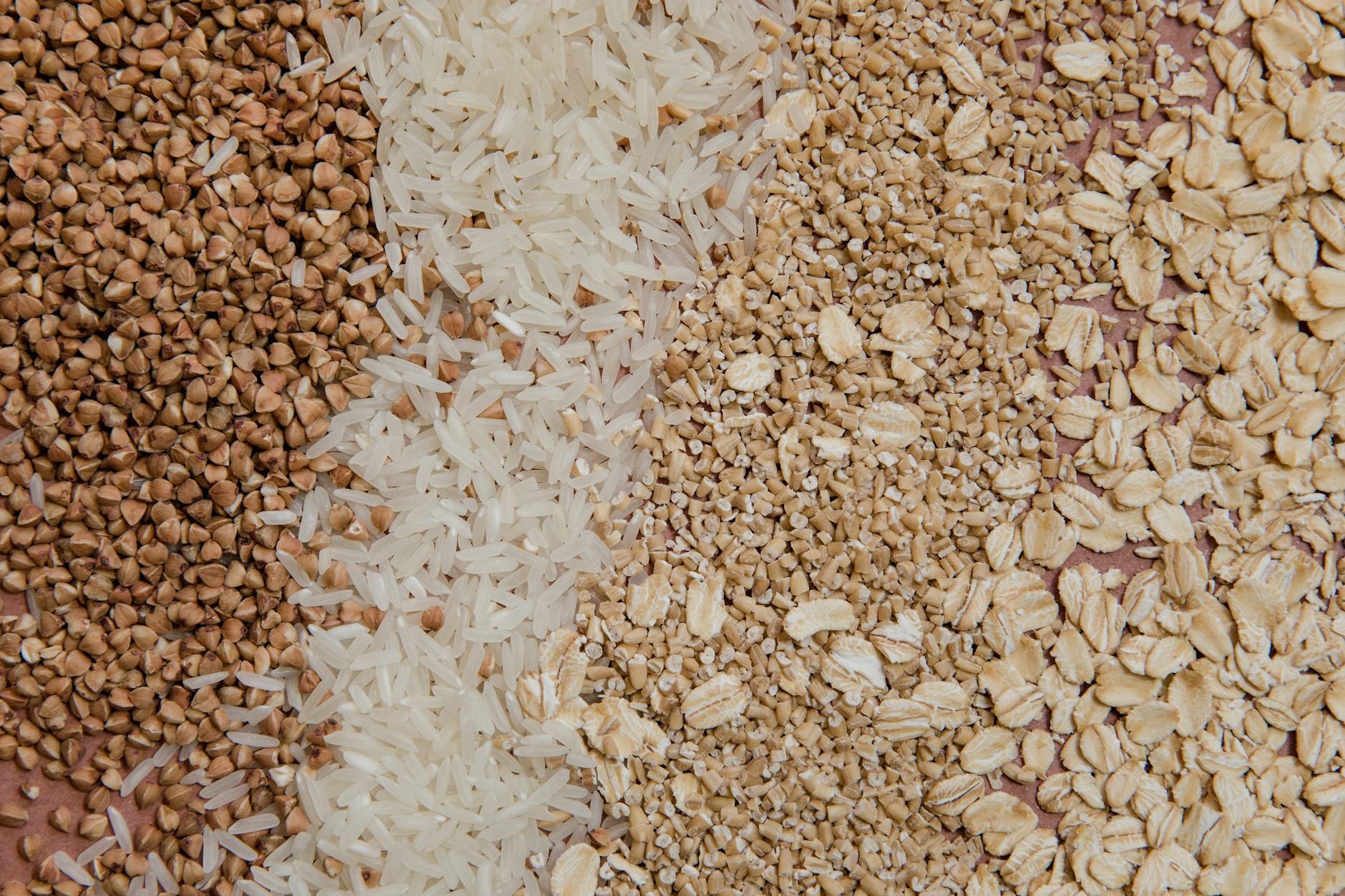
To understand daily needs, it helps to know which foods naturally contain higher amounts of fiber. Soluble fiber is abundant in oats, barley, many fruits such as apples, citrus fruits, and berries, as well as legumes like beans, lentils, and peas. It is also present in some seeds such as flaxseed and chia seeds when they absorb water. Insoluble fiber is found in whole‑wheat products, wheat bran, brown rice, quinoa, and many vegetables, especially where the skins and stalks are eaten, such as carrots, green beans, and leafy greens. Nuts and seeds generally provide both types. In Western‑style diets, major contributors to fiber intake tend to be whole‑grain breads and cereals, potatoes with skin, fruit eaten with peel where appropriate, and traditional dishes that include beans or lentils.
Practical ways to reach daily fiber intake
For many busy adults, the challenge is less about knowing the numbers and more about fitting enough fiber into ordinary meals. A common strategy is to build each meal around at least one high‑fiber component. Breakfast could feature oatmeal topped with fruit and a spoonful of nuts or seeds instead of refined breakfast pastries. Lunch might include a whole‑grain sandwich with plenty of vegetables or a grain bowl made with brown rice, quinoa, or barley plus beans and colorful salad ingredients. Evening meals can use whole‑wheat pasta, lentil soups, or chili made with kidney beans to increase fiber. Snacks such as fresh fruit, unsalted nuts, vegetable sticks, and popcorn made with minimal added fat can also contribute significantly over the course of a day.
Tips for increasing fiber intake comfortably
People who currently eat low‑fiber diets often report digestive discomfort if they suddenly jump to much higher intakes, so most education materials suggest gradual changes. One approach is to increase fiber by a few grams every few days, allowing the gut to adapt. Drinking enough fluids throughout the day is also emphasized in clinical and public health guidance when fiber intake rises, since fiber absorbs water in the digestive tract. Reading food labels can help identify products labeled as whole grain or high in fiber, but ingredients lists are important because some refined products may include only small amounts of whole‑grain flour. Many practitioners encourage viewing fiber not just as a nutrient to measure, but as a sign of an eating pattern rich in plants, textures, and flavors that can be sustained over time.
When to seek professional nutrition advice
Although general fiber recommendations are designed for healthy populations, individual situations can differ. People living with gastrointestinal conditions, chronic illnesses, or those who have recently undergone surgery are often advised to follow tailored guidance from healthcare professionals. Certain medical nutrition therapies may temporarily adjust fiber intake, either higher or lower, depending on diagnosis and tolerance. Because research on fiber and health is evolving, information in consumer articles is best treated as educational rather than as a replacement for professional care. Readers who are uncertain about appropriate fiber levels or experience persistent digestive symptoms are encouraged to consult a physician or registered dietitian for personalized assessment. All information in this article is intended for general knowledge only and does not constitute medical advice.