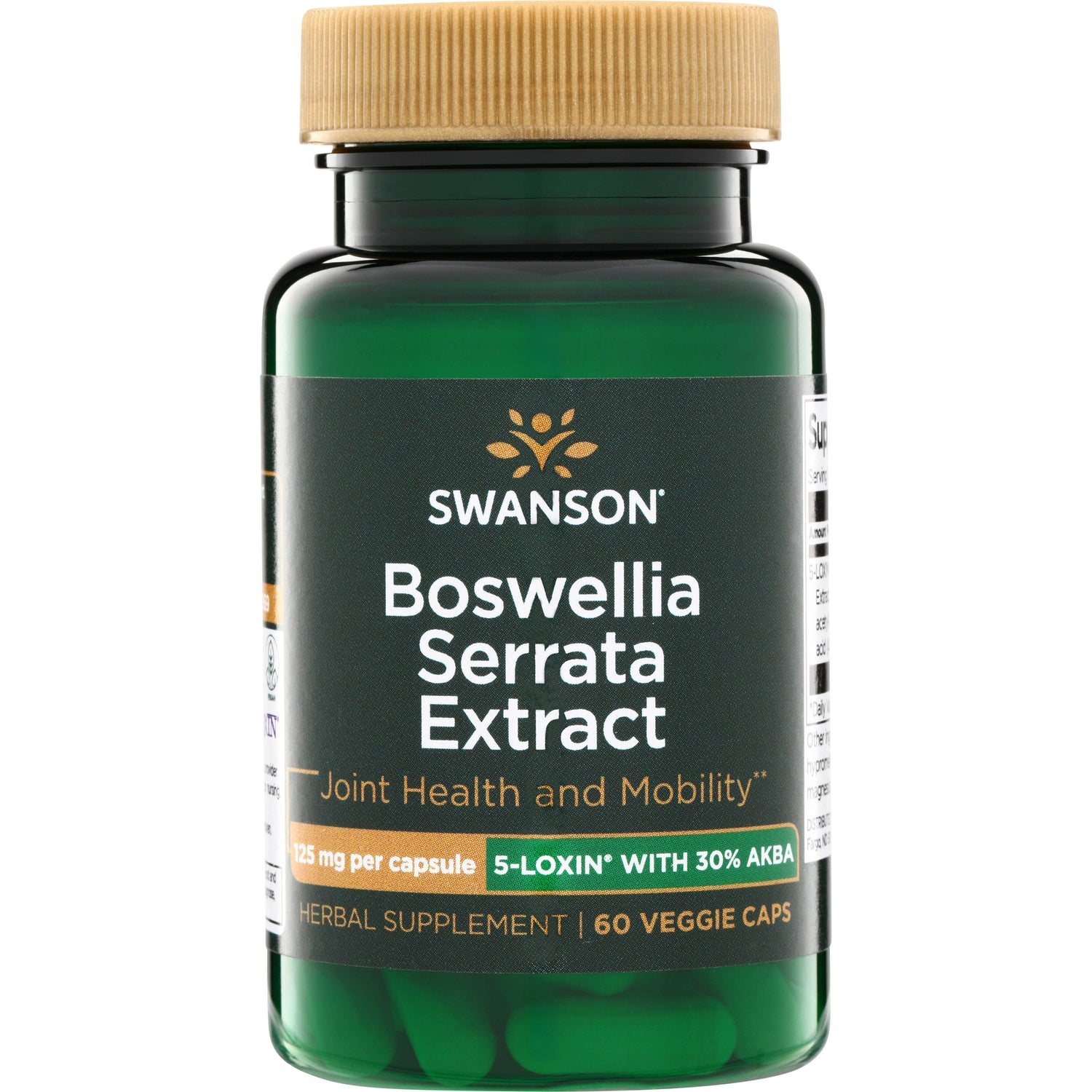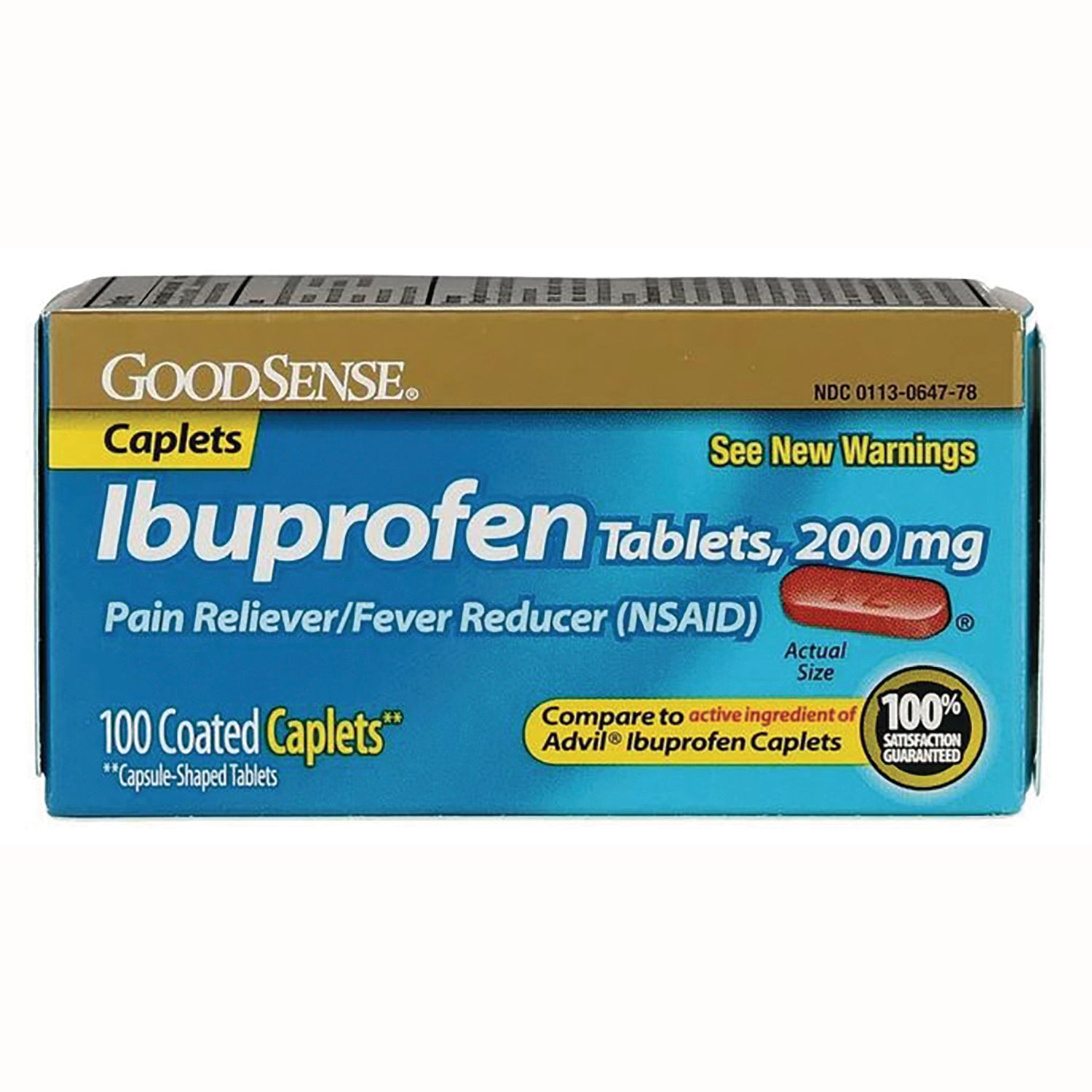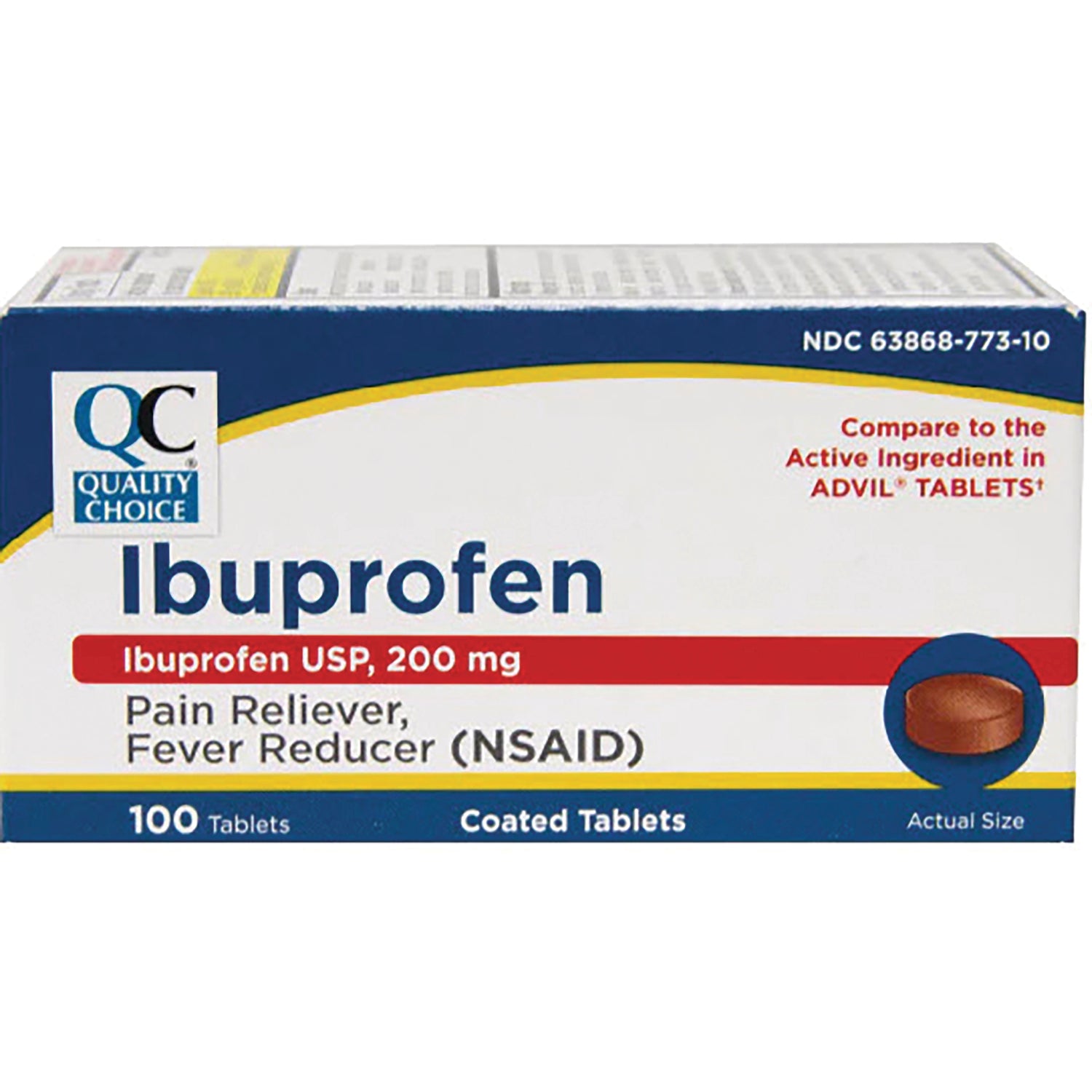
Many people notice that painkillers, cold medicines, or supplements can look very similar across brands, yet the prices differ a lot. It is common to see a store brand sitting next to a well-known brand while both claim to contain the same active ingredient. For consumers, the key question is how to tell whether these products are truly comparable and which one fits their own situation. By learning how to read labels, understand dosage forms, and assess non-medicinal ingredients, readers can make more informed decisions and know when it is better to talk to a professional.
Start from the active ingredient, not the brand logo
When different products look similar, the first thing to check is the active ingredient name and its strength. Many cold remedies or pain relievers contain well-known ingredients such as paracetamol, ibuprofen, or antihistamines, but the milligrams per tablet or per milliliter can differ. Consumers should match both the ingredient name and the numeric strength, rather than relying on the brand image or color of the box. If two tablets both contain 500 mg of the same active ingredient and are meant to be taken at the same interval, they are designed for a similar purpose, even if the packaging style and brand reputation feel very different.
Dosage form and dosing frequency can change real-life use
Even when the active ingredient and strength are the same, the dosage form can influence how people experience the product in daily life. For example, one brand may offer a regular tablet, while another uses a capsule, liquid, or extended-release form designed to release the ingredient gradually. Extended-release or sustained-release products are often taken less frequently, which some users find convenient, but they must be swallowed whole. Liquids or dispersible tablets may be easier for children or older adults who have difficulty swallowing. When comparing brands, looking at how often a dose is needed, how easy the form is to take, and any specific instructions such as “do not crush” can be just as important as the ingredient itself.
Excipients: why fillers, colors, and coatings matter for individuals
Besides the main active ingredient, every product contains excipients such as fillers, binders, sweeteners, and colorants. These substances help shape the tablet, improve taste, or stabilize the product on the shelf. While most people tolerate common excipients without problems, some individuals may be sensitive to certain dyes, preservatives, or sweeteners. For instance, someone with lactose intolerance may prefer a brand that clearly states it is lactose-free, and a person trying to avoid particular food colorings might check the color code on the label. Comparing excipient lists can therefore be relevant for people with allergies, dietary restrictions, or previous uncomfortable experiences with specific formulations.
Comparing indications, warnings, and suitable users
Two brands may share the same active ingredient but emphasize different indications on the front of the pack, such as “for headache,” “for menstrual discomfort,” or “for flu-like symptoms.” These differences often reflect marketing choices or combinations with other ingredients rather than a completely different core action. To compare fairly, it is useful to read the section describing what symptoms the product is designed for, who can use it, and any age limits. Some brands specify use only in adults, while others provide child dosing instructions. Warnings about existing medical conditions, such as kidney issues or liver concerns, can also vary in wording. Consumers should pay special attention to these sections, especially if they have chronic conditions or are taking other medicines, and should contact a pharmacist or doctor if anything is unclear.
Price, brand reputation, and regulatory standards
Price differences between brands with the same active ingredient can be noticeable, especially when comparing a long-established brand with a store brand or generic product. Part of this gap reflects marketing, packaging design, and the cost of clinical development for the original brand. In many countries, generic medicines must meet regulatory standards showing that they deliver the active ingredient to the body at a similar rate and extent as the original product. For non-prescription products and supplements, the level of regulatory oversight can differ by region. Because of these variations, consumers often balance brand reputation, personal trust, and professional advice when deciding whether a less expensive option feels acceptable for their situation.
Practical checklist for comparing same-ingredient products
When standing in front of a pharmacy shelf or scrolling through an online store, a simple mental checklist can make comparisons more structured. First, confirm the exact active ingredient name and the dose per unit. Second, look at the recommended dosing schedule: how many times per day and for how many days the product is generally used. Third, scan the excipient list if there is any history of allergies or sensitivities. Fourth, consider the dosage form and whether it will be easy to use consistently in real life. Finally, compare the price, but keep in mind that the least expensive option is not automatically the most suitable if it does not match the user’s age, health status, or lifestyle.
When to seek professional advice instead of deciding alone
While many over-the-counter products can be compared using the steps above, there are situations where professional input is especially valuable. People with multiple long-term conditions, those taking several regular medicines, pregnant or breastfeeding individuals, and older adults with complex health histories may face interactions or risks that are not obvious from the label. In such cases, pharmacists and doctors can review the full list of treatments and suggest which brand and formulation fit better with existing therapies. Information in this article is for general education and does not replace personalized medical advice. For decisions about prescription medicines or long-term use, consulting a qualified healthcare professional is strongly recommended.