Supplements are often discussed in terms of ingredients and dosage, but the dosage form quietly shapes how much of those nutrients the body can actually use. Tablets, capsules, liquids, powders and sublingual drops follow different paths in the body, leading to variations in absorption speed, convenience and suitability for different people. Many users describe feeling no clear change after taking supplements, and one key explanation is that the product’s form and design do not match their digestion, lifestyle or expectations. Understanding how dosage forms interact with the digestive system and oral tissues helps readers make more realistic, informed choices. All information here is general and for reference only, and individual decisions are best discussed with health professionals.
What absorption and bioavailability really mean
Before comparing dosage forms, it is helpful to clarify what absorption and bioavailability describe in everyday use. Absorption refers to the process by which a nutrient or compound crosses biological barriers, such as the intestinal wall or oral mucosa, and enters circulation so the body can utilize it. Bioavailability is the proportion of the ingested dose that reaches systemic circulation in an active form, and it can differ greatly between routes such as intravenous injection and oral intake. Solid oral products usually have lower bioavailability than injections because they must be dissolved, survive stomach acid and enzymes, and then be transported through the intestine. Product formulation, excipients and manufacturing all influence this journey, which explains why two supplements with similar labels can behave differently once swallowed. For readers, the practical takeaway is that dosage form is not just a matter of swallowing comfort but connected to how efficiently a product functions.
Tablets and capsules: solid forms with different behaviors
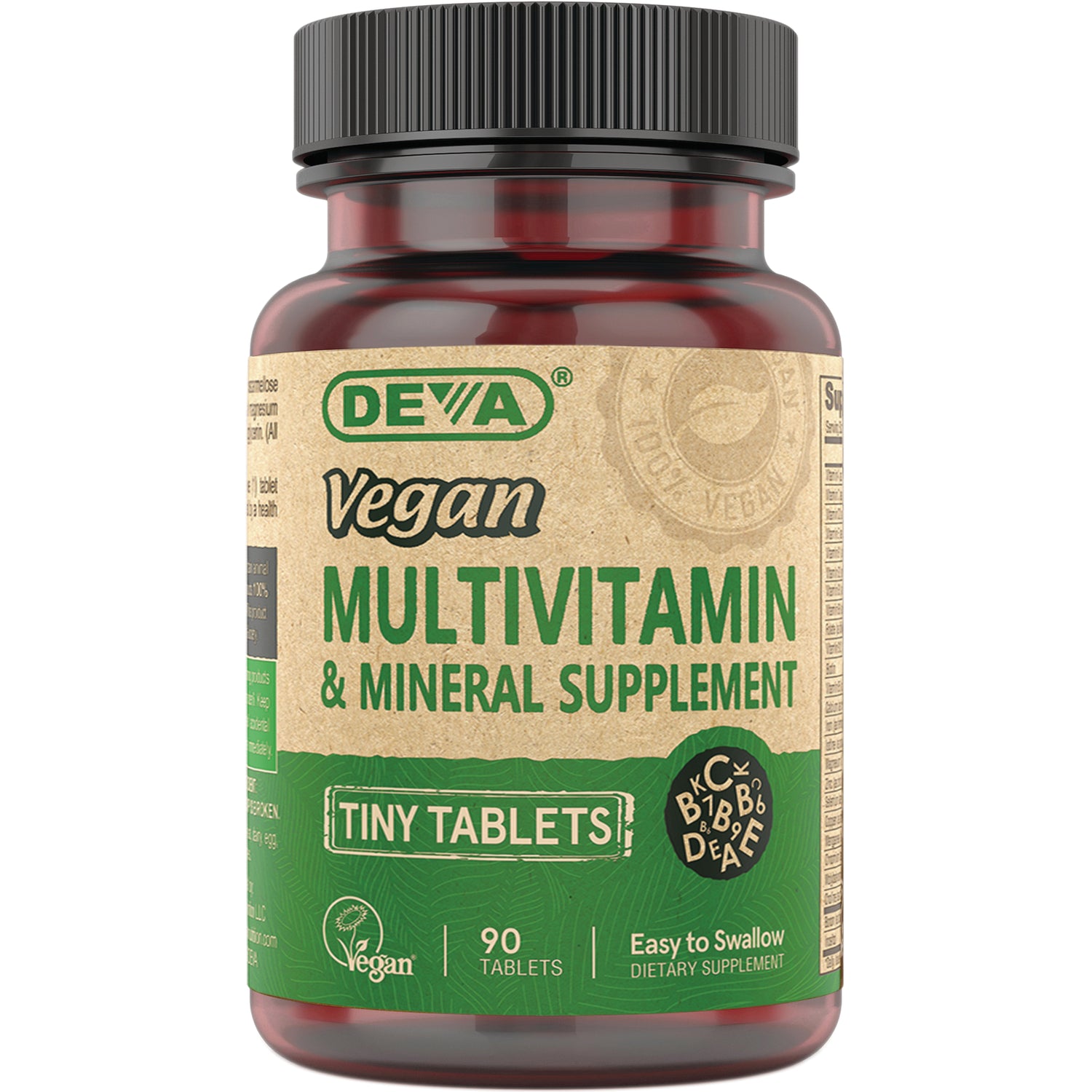
Tablets and capsules remain the most familiar solid dosage forms and are widely available for vitamins, minerals and herbal blends. Tablets are compressed powders, often compact and stable, which can support longer shelf life and precise dosing but may take time to disintegrate in the stomach before ingredients become accessible for absorption. Their hardness, coating and binders can influence how quickly they break down, which is why some people feel that certain tablets pass through without much effect. Capsules enclose powders, granules or oils in a shell, commonly made from gelatin or plant-based materials, and typically disintegrate faster than many conventional tablets. However, capsule shells may still interact with the digestive environment, and in some cases slow or uneven disintegration can influence how ingredients are released. For users choosing between tablets and capsules, factors such as swallowing comfort, sensitivity to additives, and how regularly they can take the product over time may matter as much as theoretical absorption differences.
Liquid supplements: faster entry and practical trade-offs
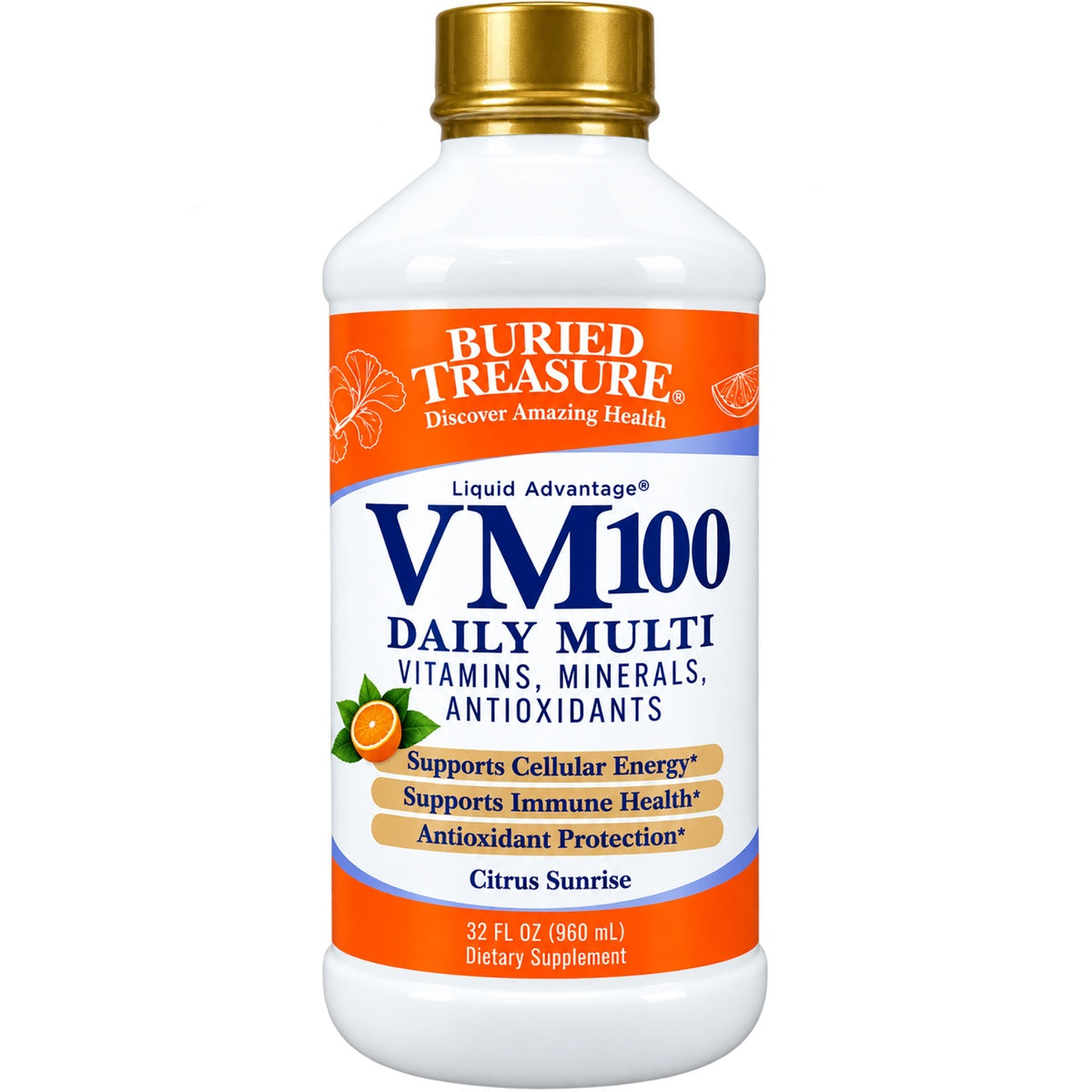
Liquid supplements such as drinks, shots and syrups are often promoted for their rapid absorption and ease of use, especially for people who dislike swallowing pills. Because the active ingredients are already dissolved, the stomach and intestine may not need to perform extensive disintegration steps, potentially allowing nutrients to pass more quickly into contact with absorptive surfaces. Some reports and marketing materials cite high average absorption percentages for liquids, and describe shorter times to reach circulation compared with certain solid forms, though numbers vary with formulation and study design. Liquids can be appealing for older adults, children, and busy professionals who prefer a quick drink, and they can be easier to adjust in dose by volume. On the other hand, liquids may require careful storage, can contain sweeteners or flavoring agents, and are not always suitable for travel. Readers comparing liquid products to tablets or capsules might consider taste, packaging, digestive comfort and the credibility of any absorption claims, ideally backed by clear research references.
Powders, drops and sublingual products
Powders, drops and sublingual forms sit between conventional oral and specialized delivery routes, offering flexibility and alternative absorption paths. Powders can be mixed with water, juice or food, giving users control over timing and texture and often allowing relatively quick dissolution in the digestive tract. Drops and sprays used under the tongue or inside the cheek aim to utilize oral mucosa for absorption, reducing the distance nutrients must travel before reaching circulation. Sublingual products are frequently discussed for compounds that may be sensitive to stomach acid or first-pass metabolism in the liver, and many users value the perception of rapid onset. At the same time, these forms rely on proper technique, such as holding the liquid in place for a period, and can feel unusual or inconvenient for some people. Because scientific results differ depending on the nutrient and formulation, readers should view general statements about sublingual superiority with caution and pay attention to product-specific evidence rather than assuming one form is always better.
Matching dosage form to individual digestion and lifestyle
No dosage form is universally superior, and the best choice depends on individual digestion, routine and priorities. People with sensitive stomachs, difficulty swallowing or fluctuating appetite may gravitate toward liquids or powders that feel gentler and more manageable. Those who travel frequently or need discreet dosing at work may prefer compact tablets or capsules that fit into small pill boxes. Some ingredients, such as oils or fat-soluble vitamins, are often found in softgels, which can support stability and palatability, while others are more practical in powder blends for shakes. Readers should also consider interactions between multiple products, overall daily nutrient intake and the uncertainty inherent in self-assessment of effects. Since health outcomes are influenced by diet, sleep, activity and medical conditions, supplements are better seen as one element in a broader strategy rather than stand-alone solutions. For people with chronic illness, medication use or complex regimens, professional guidance is particularly important.
Using absorption information as a practical decision tool
Information about absorption and dosage forms becomes most useful when applied to real-world decisions, rather than used to chase slogans about being the most efficient or fastest. A practical approach is to start by clarifying one’s main goal, such as supporting a specific nutrient gap, addressing convenience, or aligning with ethical preferences like avoiding animal-derived gelatin. Next, readers can compare products by checking whether the dosage form fits their digestive comfort, daily schedule and ability to adhere over months, since consistency often matters more than short-term intensity. Communication from manufacturers about bioavailability, including references to study design and population, can help distinguish evidence-based claims from pure marketing. Because supplement information can be complex and sometimes conflicting, treating it as general guidance, not definitive instruction, reduces the risk of unrealistic expectations. For any health-related decision, especially when symptoms or medical diagnoses are involved, consultation with qualified healthcare professionals is strongly recommended, and this article is intended for informational reference only.
Summary: dosage form as part of a broader supplement strategy
When discussing supplements, dosage form deserves attention alongside ingredients, dose and overall lifestyle. Tablets, capsules, liquids, powders and sublingual products each bring distinct patterns of absorption, convenience and sensory experience, and user feedback often reflects these differences as much as the formula itself. Readers choosing a product may benefit from thinking of dosage forms as different transport modes: some options may be faster, others steadier, and each has situations where it makes more sense. Rather than searching for one universally superior form, focusing on personal needs, tolerability and trustworthy evidence tends to yield more balanced outcomes. Since this topic touches on health-related choices, all information presented here is general, does not replace professional advice, and is best used as a starting point for discussion with healthcare providers.