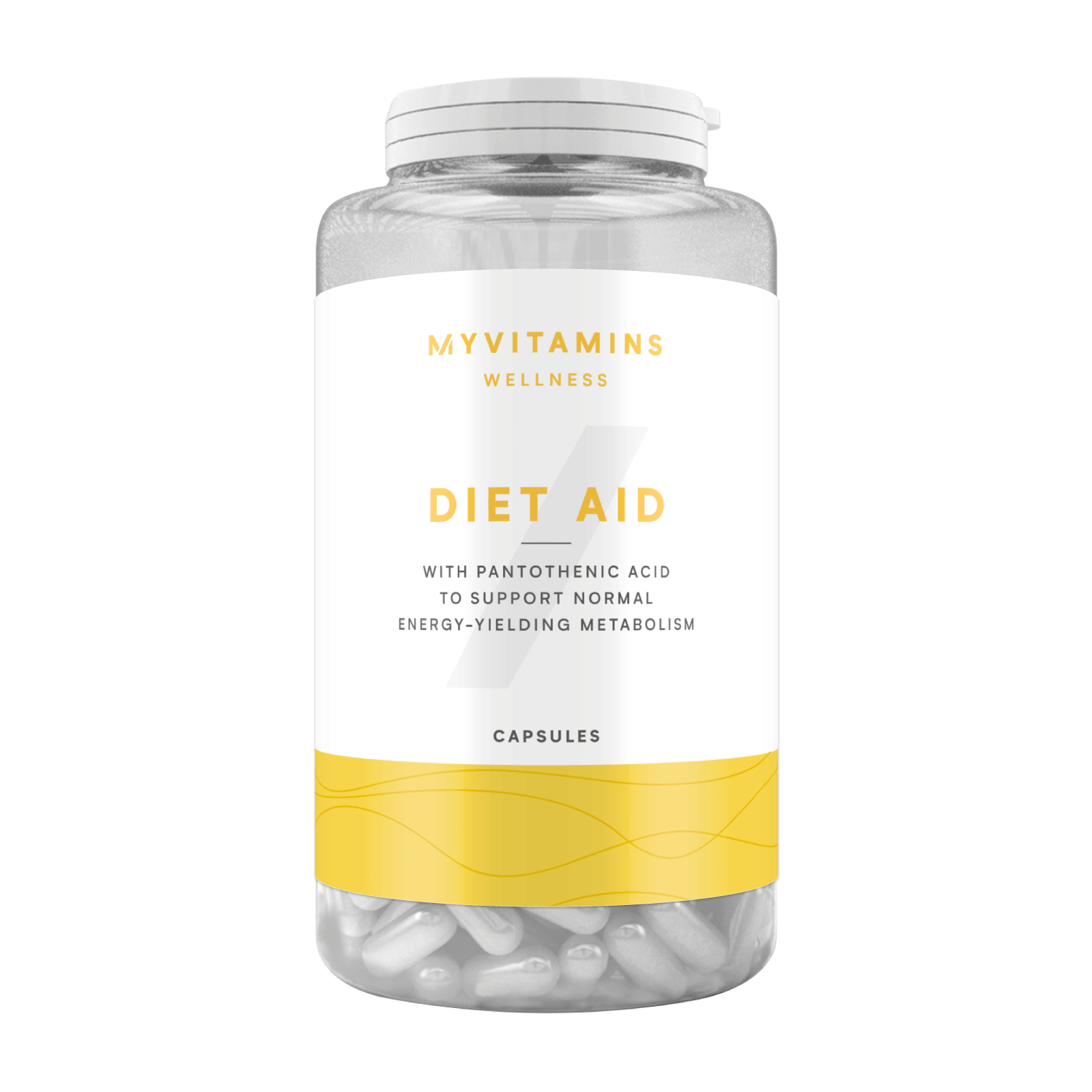
Many people have heard advice like “just finish the whole bottle and see how it goes” when starting a new supplement, and it can be confusing to know what that really means. Some expect obvious changes after a few capsules, while others think nothing will happen until every pill is gone. In reality, supplements are usually meant to work alongside daily habits rather than acting as a quick fix, and the time needed to notice any difference varies widely between individuals. Understanding how product instructions are written, why health professionals talk about consistent use, and what role lifestyle plays can help readers make calmer, safer decisions instead of simply rushing to finish the bottle.
How Supplement Instructions Are Usually Designed
When reading the label on a supplement bottle, the suggested daily amount and duration are typically designed around general nutrition needs, not a promise that finishing one container will transform health. Manufacturers set serving sizes based on common dietary gaps, recommended intake ranges, and stability testing, then estimate how many days a bottle will last at that dose. For example, a thirty-day supply simply means the product provides enough capsules for a month of use at the suggested amount. It does not mean there is a fixed rule that useful changes must appear exactly at the last capsule. Individual context, including diet, sleep, and stress, strongly shapes how any supplement fits into overall routine.
Why Some People Notice Changes Earlier Than Others
Readers often share very different stories about how quickly they feel a difference, and these variations are influenced by many factors beyond the bottle itself. Baseline nutrition status, existing health conditions, age, and daily habits all contribute to how the body handles new nutrients or ingredients. Someone who already eats a varied and balanced diet may notice fewer obvious changes than a person with clear dietary gaps, even if they take the same product for the same number of days. In addition, expectations play a huge role: those looking for subtle shifts such as energy stability or focus may need more time to observe patterns, while people searching for a dramatic sensation after the first dose may feel disappointed. Recognizing this diversity can reduce pressure to compare experiences with friends or online reviews.
The Role of Consistency Versus Finishing the Bottle
Health professionals often emphasize consistent use rather than strictly finishing a bottle because the body responds to steady routines more predictably than to occasional, irregular intake. For many micronutrients, taking the suggested amount each day for a certain period allows levels in the body to align with dietary intake, which is why labels talk about daily servings instead of one-time large portions. However, consistency does not automatically mean a person must force themselves to continue if they notice discomfort, new symptoms, or concerns. In such cases, pausing the product and discussing the situation with a doctor or dietitian can be more sensible than pushing through to the last capsule. The key idea is to follow instructions thoughtfully, stay attentive to personal reactions, and avoid treating the end of the bottle as a mandatory milestone.
Reading Labels and Professional Advice Carefully
Product labels and professional guidance are important tools for deciding how long to use a supplement, and they often highlight details that casual conversations overlook. Labels typically list suggested daily amounts, storage recommendations, and caution statements such as “consult your physician if you are pregnant, nursing, or taking medications.” These notes are written to support safer use and remind readers that health history matters. When questions arise about how long to continue, whether to try another brand, or how the product interacts with existing prescriptions, speaking with a doctor, pharmacist, or registered dietitian can provide tailored context. They can review blood tests, dietary patterns, and other health information to suggest realistic timelines, rather than simply telling someone to finish the bottle by default.
Supplements as Part of Long-Term Health Planning
Many readers purchase supplements while thinking about long-term health goals rather than short, dramatic changes, and it helps to view each bottle as one small step in a broader plan. Long-term planning usually includes overall diet quality, physical activity, sleep, stress management, and medical checkups, with supplements acting as an additional option when specific nutrients or ingredients are desired. In this perspective, finishing a bottle becomes a question about whether the product still fits the person’s goals and current health, not a test of discipline. Periodic review with professionals, adjusting doses when appropriate, and rethinking products that no longer match priorities are all part of responsible planning. This approach respects both the potential usefulness and the limits of supplements.
Safety, Monitoring, and Knowing When to Stop
Safety is an essential part of any supplement routine, and monitoring personal reactions can guide decisions about continuing or stopping even before a bottle is empty. If someone experiences unexpected symptoms after starting a new product, such as digestive discomfort, sleep changes, or other noticeable differences, it is reasonable to pause and consult a health professional rather than insisting on completing the full course. Keeping simple notes on timing, amounts, and other lifestyle changes can help identify patterns when discussing concerns during an appointment. It is also important to avoid combining multiple products or medications without guidance, since overlapping ingredients may complicate interpretation of any effects. Overall, thoughtful monitoring protects readers from relying solely on the idea that finishing every capsule is always necessary.
The central takeaway is that there is no universal rule requiring people to finish an entire bottle of supplements for them to be meaningful, and decisions should be guided by product instructions, personal experience, and professional input. Treating supplements as part of a broader lifestyle plan, rather than as a standalone solution, allows expectations to stay realistic and encourages regular check-ins about whether a product still makes sense. Since this topic touches on individual health situations, the information here is for general understanding and does not replace medical advice; readers are encouraged to discuss their specific questions with qualified professionals before changing their routine.