Why GABA is often linked to calm and sleep
GABA, or gamma-aminobutyric acid, is widely described as a major inhibitory neurotransmitter in the brain, which is why it is often associated with a calmer mental state and the transition into sleep. Public discussions, supplement labels, and consumer searches commonly place GABA in the same category as bedtime routines, stress-heavy workdays, and late-night overthinking. The important point is that the topic is not just about sleep length; it is also about how people feel while winding down.
What research says about sleep onset
Human studies on oral GABA are mixed, and reviews note that the evidence for sleep benefits is limited rather than conclusive. A review in 2020 reported very limited supportive evidence for objective sleep improvement, while also noting that repeated use may be more relevant for early-night sleep parameters than for staying asleep through the night. In practical terms, the research focus has often been on sleep latency, meaning how long it takes to fall asleep, rather than on all aspects of sleep quality.
Typical use patterns in studies
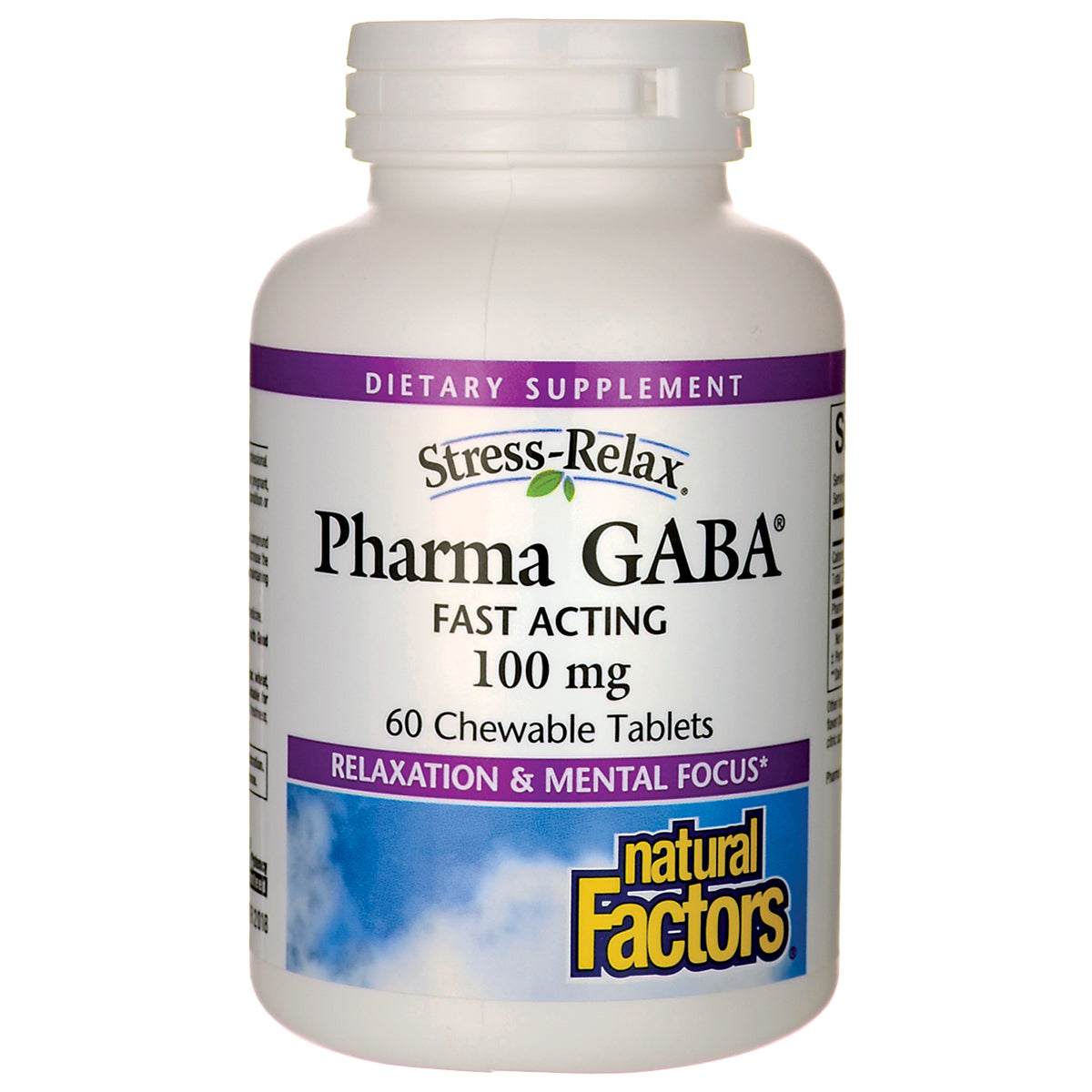
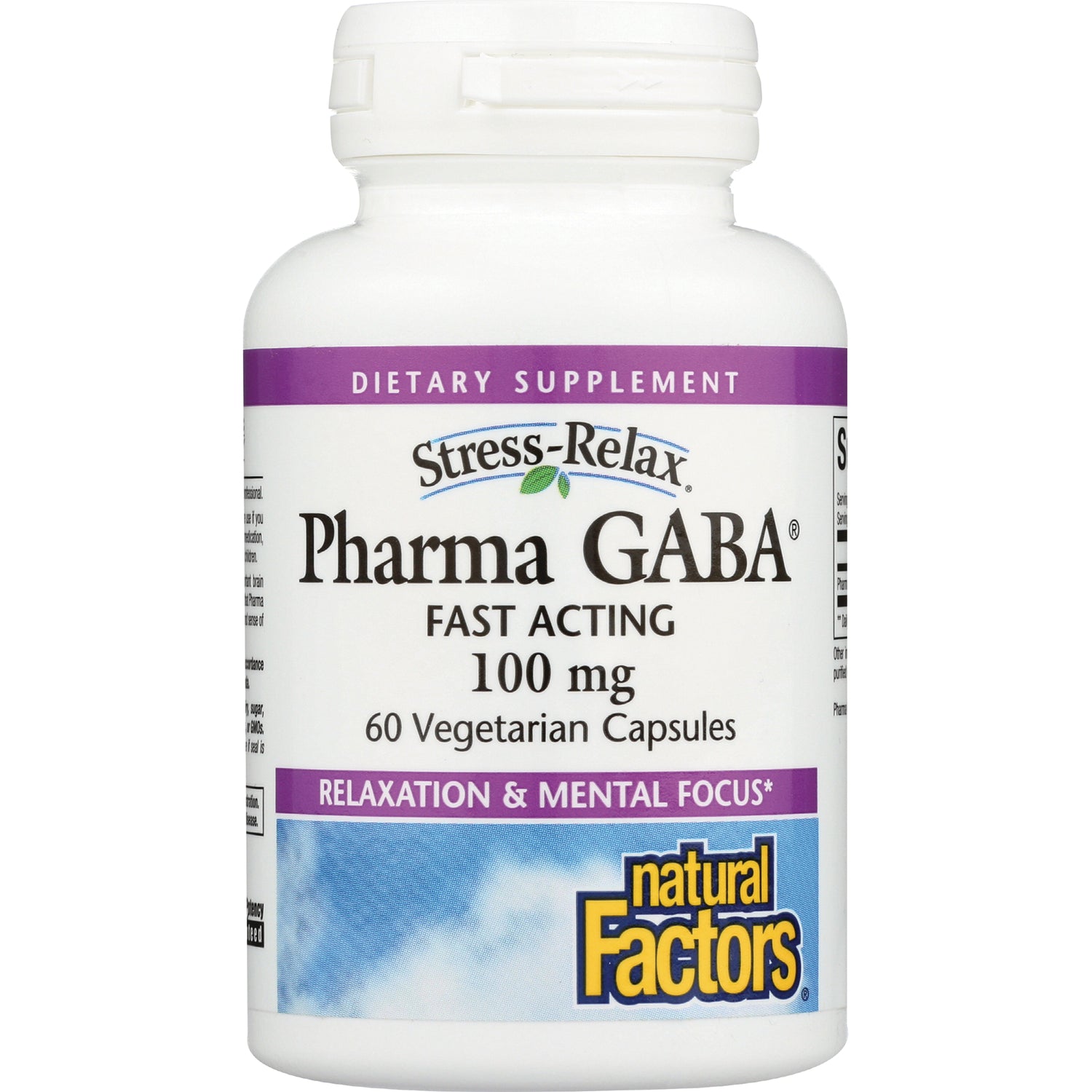
Supplement studies have used a wide range of amounts, and the doses mentioned in the literature are not a formal recommendation. Reviews and consumer health sources report sleep-related study doses commonly around 100 to 300 mg, with some individual studies using 300 mg before bed for several weeks. Other sources note that repeated use over one to eight weeks appears more common in the available research than one-time use, which suggests that timing and consistency matter when people are looking at this ingredient for a bedtime routine.
GABA alone versus combination formulas
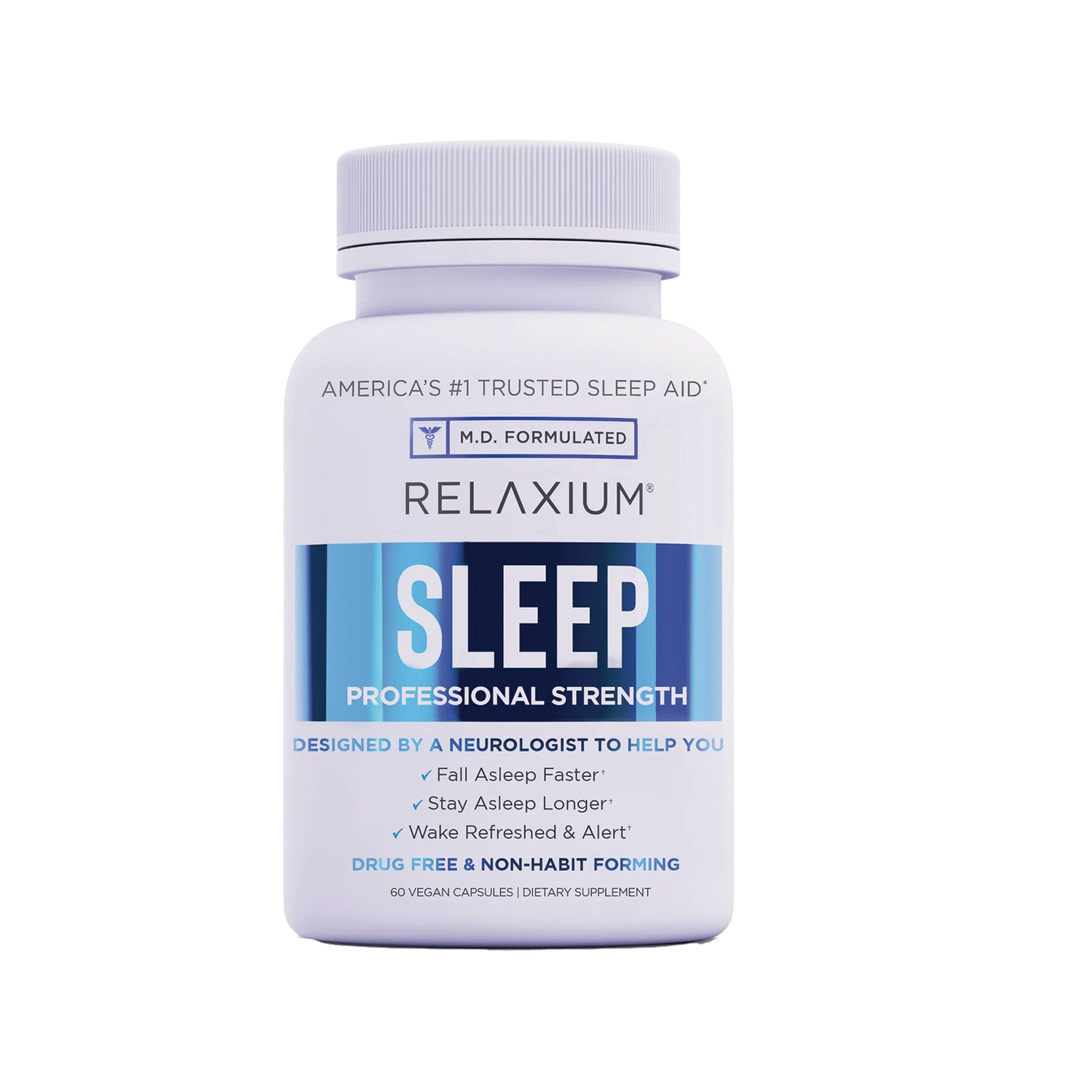
One of the more interesting patterns in the literature is that GABA is sometimes studied together with L-theanine rather than on its own. A 2019 study reported that a GABA and L-theanine mixture had a positive synergistic effect on sleep quality and duration compared with either ingredient alone. That does not mean every combination formula will work the same way, but it does explain why many sleep supplements include multiple calming ingredients instead of GABA by itself.
Safety, expectations, and practical caution
GABA supplements are generally discussed as well tolerated in small studies, but side effects can still occur, including abdominal discomfort, headache, or short-lived throat burning at higher amounts. Consumer health sources also advise speaking with a clinician before starting any new supplement, especially if other medications are involved or if use would continue for several weeks. For readers comparing options, the most useful approach is to treat GABA as one part of a broader sleep routine that also includes regular sleep timing, evening light control, and reduced caffeine late in the day.
Who usually searches for this topic
This topic is often searched by office workers with late-night mental tension, students preparing for exams, shift workers trying to settle after irregular hours, and supplement shoppers comparing bedtime formulas. It also attracts readers who want a simple explanation of why calming ingredients appear in sleep products and how they differ from prescription sleep aids. For anyone considering GABA for sleep, the evidence is best read as suggestive rather than definitive, and product labels, ingredient amounts, and personal tolerance deserve close attention.