Healthy teeth and gums depend less on a complicated routine than on consistent daily habits. Plaque can collect along the gumline and between teeth, where a toothbrush may not reach well. A practical plan usually combines fluoride toothpaste, careful brushing, daily interdental cleaning, sensible mouthwash use, and regular dental visits. These steps are useful for adults with different schedules, including people who work long hours, wear orthodontic appliances, or often eat away from home. Oral care guidance is general information only; persistent bleeding, swelling, pain, loose teeth, or other unusual changes should be assessed by a dental professional.
Why the Gumline Deserves Attention
The gumline is where tooth surfaces and soft tissue meet, so it can collect plaque and food debris during the day. If plaque is not removed regularly, the gums may become irritated and appear red, tender, or prone to bleeding. Bleeding should not simply be dismissed as a normal result of brushing, especially when it continues despite gentle cleaning. A daily routine should reach the front, back, and chewing surfaces of the teeth as well as the areas between them. People with diabetes, pregnancy-related oral changes, dental appliances, or a history of gum problems may need more individualised advice from a dentist or hygienist.
A Reliable Brushing Routine
Dental guidance commonly recommends brushing twice a day for about two minutes with fluoride toothpaste. A soft-bristled brush and gentle, small movements can clean the gumline without aggressive back-and-forth scrubbing. The brush should be angled toward the place where the teeth meet the gums, while the outer, inner, and chewing surfaces are covered systematically. Brushing before bed is particularly useful because it removes the day’s accumulated plaque before a long period without food or drink. After brushing, spitting rather than immediately rinsing can leave more fluoride in contact with the teeth; product directions and advice from a dental professional should take priority.
A practical method is to divide the mouth into four sections and spend roughly the same amount of time on each one. The tongue can also be cleaned gently if a coated feeling or stale breath is a concern. Manual and powered brushes can both be suitable when used thoroughly, so the more important choice is a routine that can be followed consistently. For people who press too hard, a softer technique and a lighter grip may be more useful than simply brushing for longer. A worn brush head should be replaced according to the manufacturer’s instructions, particularly when the bristles become bent or splayed.
Cleaning Between Teeth Every Day
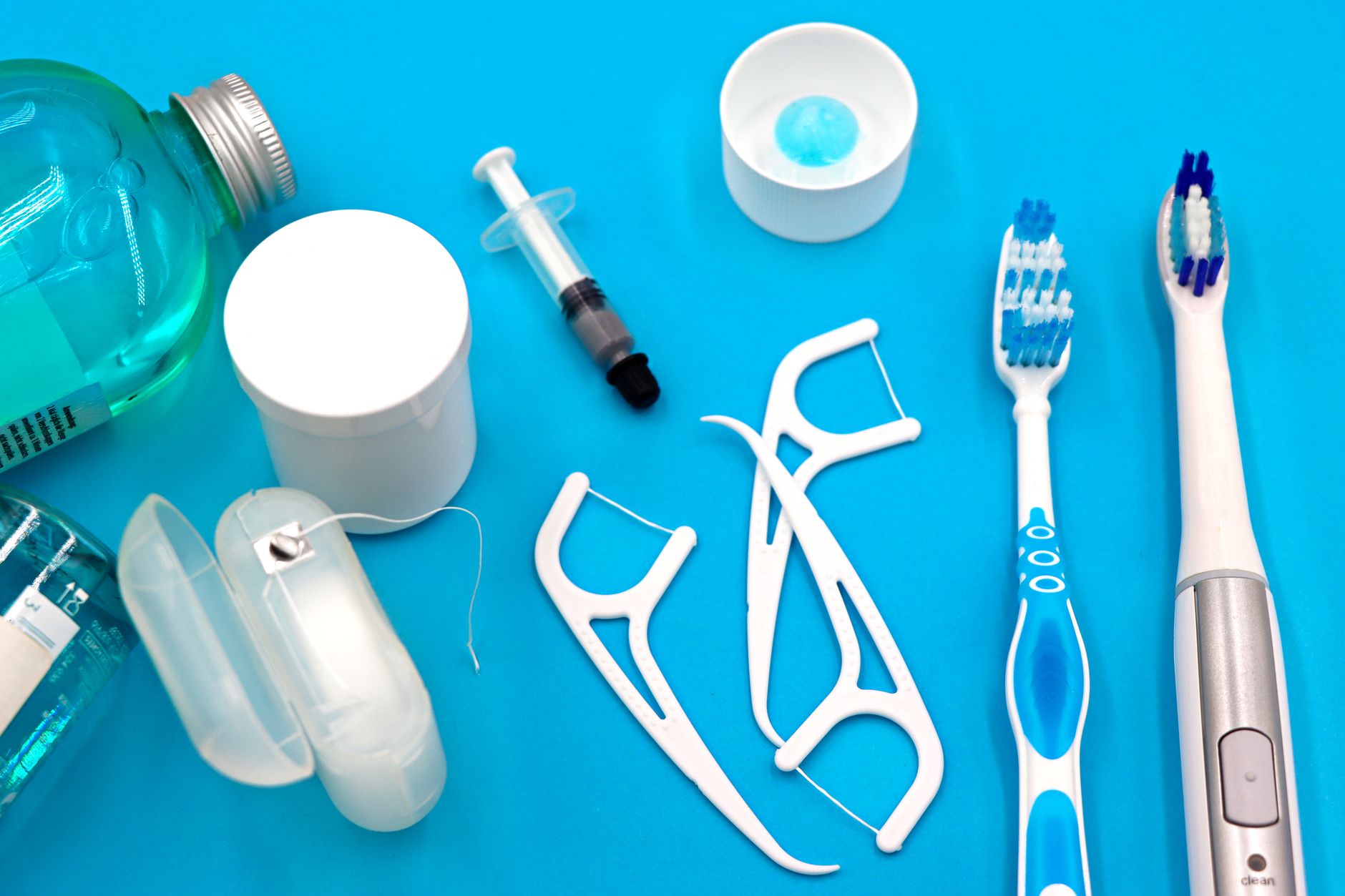
Brushing cannot fully clean the narrow spaces between teeth, making interdental care an important part of oral hygiene. Dental floss, dental tape, or appropriately sized interdental brushes can be used once a day, depending on tooth spacing and personal dexterity. Floss should be guided gently through the contact point rather than snapped against the gums, then curved around each tooth in a C shape and moved carefully along the side. Interdental brushes should fit snugly without being forced. People with braces, bridges, implants, or larger spaces may benefit from professional instruction about the most suitable tool.
The best time to clean between teeth is the time that fits the individual’s routine, although some people prefer to do it before brushing at night. A small container of floss or interdental brushes can make the habit easier during travel or at work. Minor sensitivity may occur when a new routine begins, but persistent bleeding, pain, or difficulty passing the cleaner should prompt professional advice. Interdental cleaning is not a substitute for brushing; the two actions address different surfaces and work best as complementary habits.
Choosing and Using Oral Care Products
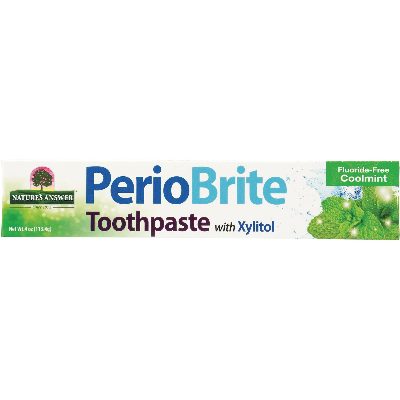
Product selection should start with the person’s needs rather than attractive claims. PerioBrite Toothpaste with Xylitol - Coolmint with Xylitol - Coolmint contains xylitol, calcium carbonate, sodium bicarbonate, folic acid, lysine, peppermint oil, and a range of botanical extracts listed on its product label. Its cool mint flavour may suit users who prefer a refreshing brushing experience, while the full ingredient list allows people with sensitivities or allergies to check the packaging before use. It should be used as directed, and it should not replace professional care or a fluoride toothpaste recommendation when a dentist has given one.
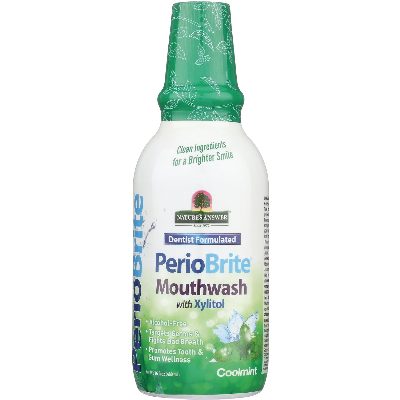
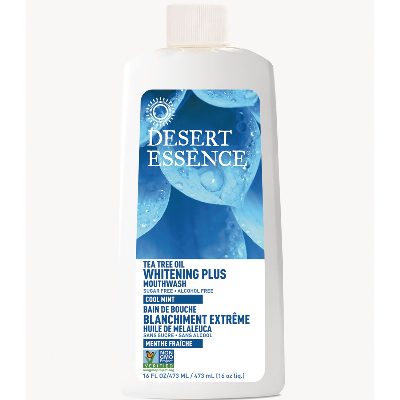
Mouthwash can be an optional part of a routine, but it should not replace brushing or cleaning between teeth. PerioBrite Mouthwash with Xylitol - Coolmint with Xylitol - Coolmint is described as alcohol-free and includes xylitol, peppermint oil, calendula, echinacea, chamomile, and other botanical ingredients listed on its packaging. Tea Tree Oil Whitening Plus Mouthwash - Cool Mint - Cool Mint contains tea tree oil, spearmint oil, witch hazel, zinc citrate, vitamin C ingredients, and other listed components; its directions specify use for adults and children aged six and older. Mouthwash should be used according to the label, and rinsing immediately after brushing may wash away concentrated toothpaste residue.
Daily Habits That Support Oral Hygiene
Food and drink patterns influence how often teeth are exposed to sugars and acids. Frequent sipping of sweetened beverages or grazing throughout the day can make oral care more challenging, so water is a practical default between meals. A toothbrush kept in a workplace drawer, a travel-sized interdental cleaner, or a phone reminder can help people maintain routines outside the home. Dry mouth, tobacco use, high stress, and some medicines may also affect oral comfort and should be discussed with a dental professional when they persist. Children need age-appropriate supervision, while older adults may need adaptations for reduced grip strength or dental prostheses.
Regular dental examinations provide an opportunity to identify changes that are difficult to notice at home. A dental professional can check gum tissue, tooth surfaces, restorations, appliances, and cleaning technique, then tailor advice to the person’s risk factors. Swelling, pus, severe or worsening pain, facial swelling, fever, loose teeth, or trouble swallowing requires prompt dental or medical attention. Even without urgent symptoms, ongoing bleeding or bad breath deserves assessment rather than repeated masking with mouthwash.
Building a Routine That Lasts
A sustainable plan can be simple: brush with fluoride toothpaste twice daily, clean between teeth once daily, and use mouthwash only when it fits the product directions and personal advice. The routine becomes easier when linked to existing habits, such as brushing after getting ready in the morning and before turning off the bedroom light. Travellers can prepare a small oral-care kit, while busy households can keep replacement brush heads and interdental supplies in one visible place. The goal is not a perfect one-day performance but dependable care repeated over time.
Product labels matter, especially for people with allergies, children, pregnancy-related concerns, dental restorations, or professional treatment plans. Natural or botanical wording does not automatically mean that a product suits every mouth, and whitening language does not replace advice about sensitivity or enamel concerns. With consistent brushing, appropriate interdental cleaning, careful product use, and timely dental assessment, readers can make oral and gum care a practical part of everyday health. This information is for reference and does not replace an examination or personalised dental advice.
The information in this article is for reference only and does not constitute professional advice. For specific decisions, please consult a relevant professional based on your personal situation.