Nutrition is one part of a child’s daily oral-health routine, alongside tooth cleaning, regular dental visits, drinking habits, and the frequency of sugary snacks. Calcium contributes to the structure of teeth and bones, while vitamin D is involved in calcium absorption and metabolism. However, a supplement cannot replace brushing with fluoride toothpaste, sensible snack timing, or professional advice when a child has dietary restrictions or unusual dental concerns.
For families comparing products, the most useful approach is to begin with the child’s age, usual diet, ability to swallow or chew, allergy information, and the instructions on the package. The goal is not to choose the product with the longest ingredient list. A better decision comes from matching the format and serving directions to a routine that a child can follow consistently, without turning a nutrition product into candy or a substitute for balanced meals.
Start with the whole diet, not a single nutrient
Children can obtain calcium from foods such as milk, yogurt, cheese, calcium-fortified products, tofu, and selected vegetables. Vitamin D may come from fortified foods, eggs, and fish, although actual dietary patterns vary widely. Public-health guidance also emphasizes fruit, vegetables, whole grains, quality protein, and water, while recommending limits on sweet drinks and frequent sugary snacks. These choices matter because teeth are exposed not only to the total amount of sugar, but also to how often it remains in the mouth.
A practical family review can begin with a three-day record: note the child’s meals, drinks, snacks, and the times teeth are cleaned. This often reveals patterns that are easy to miss, such as sipping sweetened milk drinks for several hours, eating sticky snacks between meals, or skipping breakfast and relying on packaged foods. When a child already eats a varied diet, the next question is whether a supplement is necessary at all; that decision should account for age, medical history, allergies, and advice from a qualified professional.
Common myths about calcium and teeth
One common misconception is that taking more calcium automatically means stronger teeth. Nutrient needs differ by age, and the body uses calcium within a broader dietary pattern; excess intake is not a reason to ignore food quality or product directions. Another misconception is that vitamin D alone can compensate for limited calcium intake. Vitamin D is related to calcium handling, but it does not turn a supplement into a complete diet or replace tooth cleaning.
A further misunderstanding concerns product texture. A chewable tablet may be easier for some children than a powder, while another child may prefer powder mixed into a familiar food or drink. Neither format is universally best. Taste, choking safety, dental age, supervision, and the possibility that a sweetened product is used repeatedly between meals should all be considered. Caregivers should also avoid treating a nutrition product as a reward that encourages frequent consumption throughout the day.
How to compare a chewable tablet
小悠活兒童鈣咀嚼錠-優格(60粒)-優格(60粒) is a chewable option designed for children aged 4 to 12. Its stated serving size is two grams, with 30 servings per package; each serving contains 260 milligrams of calcium, 5 micrograms of vitamin D, and 2 micrograms of vitamin K. The product uses a yogurt-style chewable format, and the listed directions are once daily for children aged 4 and above, two tablets per serving, before or after meals. Storage instructions specify a cool, dry place away from direct sunlight.
This type of product may suit a family that values a clearly divided tablet serving and a child who can chew reliably under adult supervision. The tablet dimensions are listed as one gram each, 13 millimeters in diameter, and 4 millimeters high, which gives caregivers concrete information to consider when assessing whether the format is appropriate. The package describes French algae calcium and milk calcium together with vitamins D and K. Before use, families should check the full label, especially when a child has a milk allergy, takes medication, or already uses another vitamin product.
When a powder fits the family routine
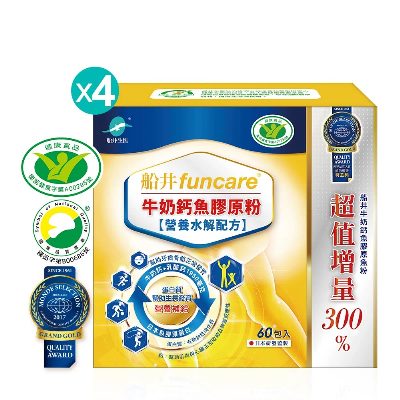
船井高成長®熱銷回饋團購組(共)500購物金 includes the listed 船井高成長®熱銷回饋團購組(共)500購物金 as a powder format. The product information states that children aged 4 to 8 use one packet daily, while those aged 9 and above use two packets daily. It can be dissolved in familiar drinks or foods, including warm milk, soy milk, cereal powder, porridge, corn soup, yogurt, or other listed options. Families should follow the package directions and consider choosing unsweetened or lower-sugar pairings when possible.
Powder can be useful when a child resists tablets, but mixing it into a drink creates a different routine: the full serving needs to be consumed, and the caregiver must consider the drink’s total sugar content and sipping duration. The stated ingredients include fish collagen protein, milk calcium, whole milk powder, calcium lactate, and listed vitamins and additives. Because it contains milk-related ingredients and fish collagen, caregivers should review the label for allergy suitability and consult a qualified professional when the child has a restricted diet or a relevant health condition.
A tablet alternative for children who prefer chewing
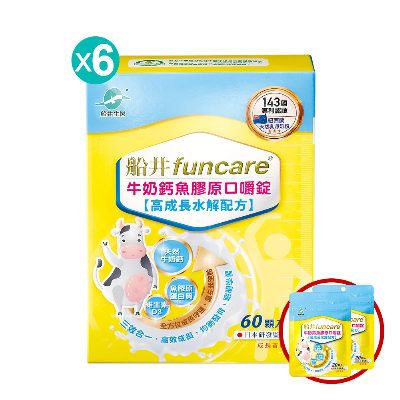
船井高成長®口嚼錠成長補給組 contains the listed 船井高成長®口嚼錠成長補給組. Its product information identifies milk powder, milk calcium, sugar, fish collagen protein, vitamin D3, and other listed ingredients. The stated use is four tablets daily at any time, with each tablet weighing 1,000 milligrams; the directions also state not to exceed eight tablets per day. The product information advises storage in a refrigerator or cool, dry place after opening, protection from moisture and sunlight, and prompt consumption after opening.
This format may fit children who accept a chewable tablet but do not want a powder mixed into food. The label also states that the product contains milk and fish collagen and is not suitable for children with corresponding allergic tendencies. Those details are more useful than a broad claim about taste or convenience because they directly affect household selection. Caregivers should follow the stated serving instructions, keep the product supervised and out of reach of young children, and avoid combining several products with overlapping nutrients without professional guidance.
Match the choice to the situation
For a child who eats dairy or fortified foods regularly but struggles with tablets, a food-first plan and a suitable powder or chewable format may be easier to maintain than forcing a particular dosage form. For a child who dislikes mixed drinks, 小悠活兒童鈣咀嚼錠-優格(60粒)-優格(60粒) offers a clearly stated two-tablet serving and an age range of 4 to 12 years. For families seeking a powder routine, the listed 船井高成長®熱銷回饋團購組(共)500購物金 provides age-based packet directions and several mixing options.
The decision should still go beyond convenience. Check whether the child has milk or fish sensitivities, whether the product’s sugar content fits the family’s oral-care plan, and whether another supplement is already being taken. Do not use a supplement to replace breakfast, dairy or fortified alternatives, vegetables, water, brushing, or dental appointments. If a child has persistent mouth pain, unusual tooth development, difficulty eating, or a medically restricted diet, a dentist, physician, or registered dietitian can help determine the next step.
Build a repeatable tooth-friendly routine
A realistic routine often matters more than a perfect product. Serve meals and snacks at defined times, keep water available between meals, and limit sweet drinks and sticky foods that remain around the teeth. After sugary foods, follow the family’s dental-care advice; children should brush with age-appropriate fluoride toothpaste and receive supervision when needed. Nutrition products should be taken exactly as labeled and should not be grazed on throughout the day.
A monthly check-in can be simple: ask whether the child follows the serving instruction, whether the format is accepted without conflict, whether the product duplicates another supplement, and whether the surrounding diet remains varied. Packaging, serving directions, storage requirements, allergens, and ingredient lists can change, so the current label should always take priority over older descriptions. With that approach, nutrition becomes one practical part of a broader plan for everyday oral care rather than a standalone promise.
This article shares general skincare information based on personal experience and is not medical advice. Please consult a dermatologist if you experience any skin issues.