
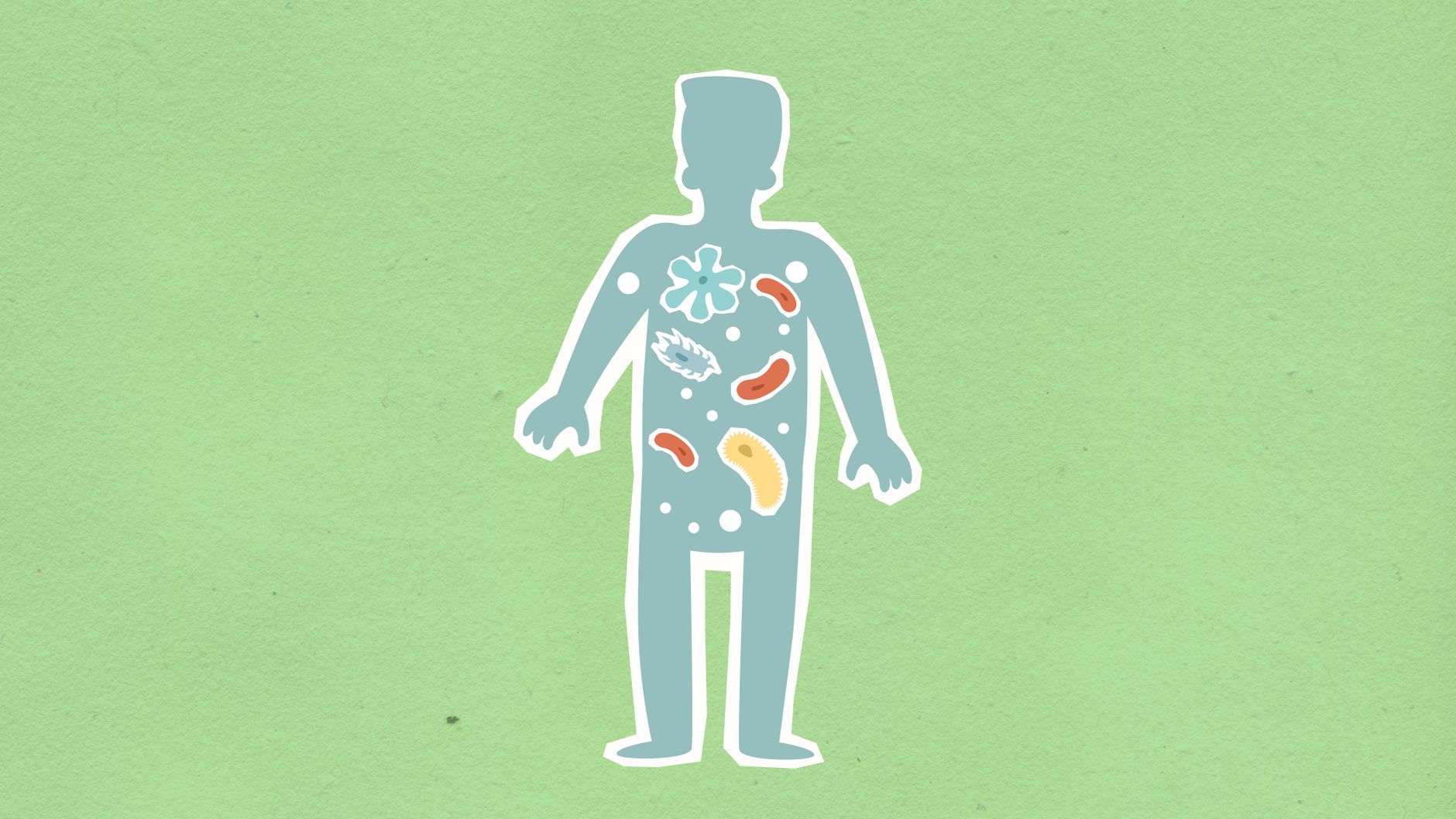
Probiotics and weight management have become a frequent topic in health media, leading many people to wonder whether a capsule of “good bacteria” can change the number on the scale. Modern research suggests that certain probiotic strains are associated with body fat, waistline and metabolic parameters, but this relationship is complex and far from a miracle solution. Probiotics appear to work mainly by influencing gut microbiota and internal metabolic environment, rather than acting as a direct weight loss drug. This article focuses on what current studies indicate, how probiotics fit into a broader lifestyle approach, and where expectations should be kept realistic. All information is for general knowledge only and cannot replace personalised medical advice; readers are encouraged to seek guidance from healthcare professionals for individual concerns.
How Probiotics Relate to Weight Management
Several clinical reviews have reported that probiotic supplementation can lead to small but measurable changes in weight-related indicators, such as modest reductions in body fat, waist circumference and body mass index. These effects are usually described as statistically real yet clinically modest, meaning they exist but are not dramatic in everyday life. Researchers often emphasise that probiotics are better viewed as a tool for weight management, especially in the context of overweight and metabolic issues, rather than a standalone solution for fast weight loss. In many trials, changes in visceral fat or waistline appear more pronounced than changes in total body weight, suggesting that the impact is more about body composition and metabolic balance than sheer kilograms. As with most nutrition interventions, responses vary across individuals depending on baseline health, diet, physical activity and genetic factors.
The Role of Gut Microbiota in Body Weight
The link between probiotics and weight management is rooted in the broader concept of gut microbiota, the diverse community of microorganisms living in the digestive tract. Studies have found that people with obesity often show a different microbial profile compared with lean individuals, including variations in bacterial families that affect energy extraction from food and inflammatory responses. When gut microbiota is imbalanced, the intestinal environment may favour energy storage, higher low-grade inflammation and changes in appetite regulation. Probiotics aim to support a more balanced microbiota by increasing beneficial bacteria and reducing potentially harmful patterns, which may contribute to better metabolic regulation over time. However, gut microbiota is influenced by many factors such as dietary fibre intake, overall food quality, sleep patterns and stress, so probiotics should be understood as one element in a multifactorial system rather than the single driver.
Possible Mechanisms: Appetite, Metabolism and Inflammation
Researchers have proposed several mechanisms through which probiotics might be linked to weight and body composition. One widely discussed mechanism involves short-chain fatty acids produced when certain gut bacteria ferment dietary fibre; these compounds can influence blood sugar stability and pathways related to fat oxidation. Another mechanism concerns hormonal signals such as GLP-1, PYY and leptin, which are related to satiety and hunger perception; changes in gut microbiota may alter how these signals are expressed, subtly affecting eating behaviour. Probiotics also appear to support the integrity of the intestinal barrier, which in turn may reduce the circulation of endotoxins associated with metabolic disturbances. Additionally, some strains are studied for their potential role in moderating low-grade inflammation linked to adipose tissue. It is important to note that these mechanisms come mostly from controlled studies and the magnitude of effect in everyday settings tends to be moderate.
Strain-Specific Effects and Practical Limitations
Current evidence highlights that probiotic effects are strain-specific, meaning not all products have the same impact on weight-related outcomes. Some bifidobacteria and lactobacilli strains are frequently discussed in relation to visceral fat and waistline, but even for these, results are not uniform across studies. Dosage, duration of intake and product formulation can significantly influence outcomes, and many trials are relatively short-term. For consumers, this means that general statements such as “probiotics make you slim” are oversimplifications. It is more accurate to consider whether a particular strain, taken at an appropriate dose and for sufficient time, may support broader metabolic goals when combined with other lifestyle strategies. People using antibiotics or dealing with digestive disorders should also be aware that timing, medical supervision and product choice matter, as not all situations are suited to self-directed supplementation.
Probiotics as a Partner to Diet and Exercise
Across many expert commentaries, probiotics are described as a supporting partner to balanced eating and regular physical activity, not a shortcut that replaces these behaviours. Studies in which probiotics show more noticeable benefits often combine them with calorie-conscious meals, higher fibre intake and consistent movement habits. Under these conditions, the improved gut environment may complement lifestyle efforts by aligning appetite signals and nutrient handling with long-term goals. Practical examples include people who adjust refined carbohydrate intake, emphasise vegetables and whole grains, and integrate daily walking or resistance training while also taking evidence-based probiotic strains. In such scenarios, readers can think of probiotics as helping create a body that is “more willing” to maintain a healthier weight, rather than forcing rapid changes. As always, any new regimen, especially for individuals with chronic conditions, is best discussed with healthcare providers.
Choosing and Using Probiotics Wisely
When selecting a probiotic for weight management purposes, experts often encourage focusing on quality, transparency and overall health context rather than marketing slogans. Key considerations include clearly listed strains with documented research, adequate colony-forming unit counts, and manufacturing practices that protect bacteria from heat, stomach acid and bile so they can reach the intestine alive. Consumers should be cautious about products that promise dramatic fat reduction or instant results, as such claims are rarely aligned with the nuanced scientific data. It is often more sensible to see probiotics as part of a broader plan that includes realistic expectations, incremental lifestyle changes and regular monitoring of personal responses. Keeping a simple diary of diet, activity and digestive comfort can help individuals and professionals evaluate whether a given probiotic makes a meaningful difference.
Setting Realistic Expectations and Seeking Professional Advice
For many readers, the most important takeaway is that probiotics may be linked to weight management mainly through indirect pathways, such as supporting gut health, metabolic balance and appetite regulation. The average changes seen in research are modest and rely on consistent use plus supportive lifestyle habits, rather than quick transformations. Therefore, any decision to use probiotics for weight-related reasons should be grounded in realistic goals and an understanding that they are one tool among many. Given that weight and metabolism involve complex interactions between diet, movement, hormones and mental health, personalised guidance from dietitians, physicians or other qualified professionals is highly valuable. The information presented here is intended for educational purposes only and should be used as a starting point for further discussion with healthcare experts, not as a substitute for individual medical advice.