Many people know probiotics, but feel less familiar with prebiotics, even though the two terms often appear together on product labels. In simple terms, probiotics are the beneficial live bacteria, while prebiotics are the “food” and fuel that support those good bacteria in the gut. Understanding how they differ in definition, function, and food sources helps readers read labels more clearly and build eating habits that support a stable gut environment. This article focuses on explaining the key differences in plain language, with practical examples for everyday life. All information is for general education only and is not a substitute for medical advice; people with health conditions should discuss personal choices with healthcare professionals.
What are probiotics? The “good bacteria” themselves
Probiotics are live microorganisms that, when consumed in adequate amounts, can provide health benefits to the host according to scientific organizations such as WHO and FAO. In daily life, they are usually bacteria such as Lactobacillus or Bifidobacterium that naturally live in the digestive tract. These microbes interact with the existing gut community and may support a more balanced ecosystem. Probiotic foods include yogurt with live cultures, kefir, miso, kimchi, sauerkraut, and other fermented foods, as well as dietary supplements in capsule or powder form. Because probiotics are living organisms, they are sensitive to factors like heat, stomach acid, and storage conditions, which affects how many survive to reach the intestines.
What are prebiotics? The fuel that feeds good bacteria
Prebiotics are usually types of dietary fiber or certain oligosaccharides that the human body cannot digest, but that gut bacteria can ferment and use as an energy source. Scientific groups such as the International Scientific Association for Probiotics and Prebiotics describe prebiotics as substrates that are not digested by human enzymes, are selectively used by beneficial microbes, and are associated with positive effects on the host. In everyday language, prebiotics are the food for probiotics, helping them stay active and thrive. Common prebiotic ingredients include inulin, fructooligosaccharides (FOS), galactooligosaccharides (GOS), and resistant starch, many of which occur naturally in plant foods like onions, garlic, leeks, bananas, asparagus, and whole grains.
Key differences: definition, nature, and how they act in the gut
Although prebiotics and probiotics are often mentioned together, they are not interchangeable. Probiotics are living microbes that need the right conditions to survive, settle in the gut, and interact with existing bacteria. Prebiotics, on the other hand, are non‑living components of food, typically fibers and oligosaccharides, that travel through the digestive tract without being broken down by human enzymes. Once they reach the colon, they are fermented by gut microbes, especially beneficial species, which can change the composition and activity of the community. Probiotics directly add new good bacteria, while prebiotics support the growth and activity of beneficial bacteria that are already present. Because they work through different mechanisms, they are often seen as complementary rather than competing options.
Everyday food sources of prebiotics and probiotics
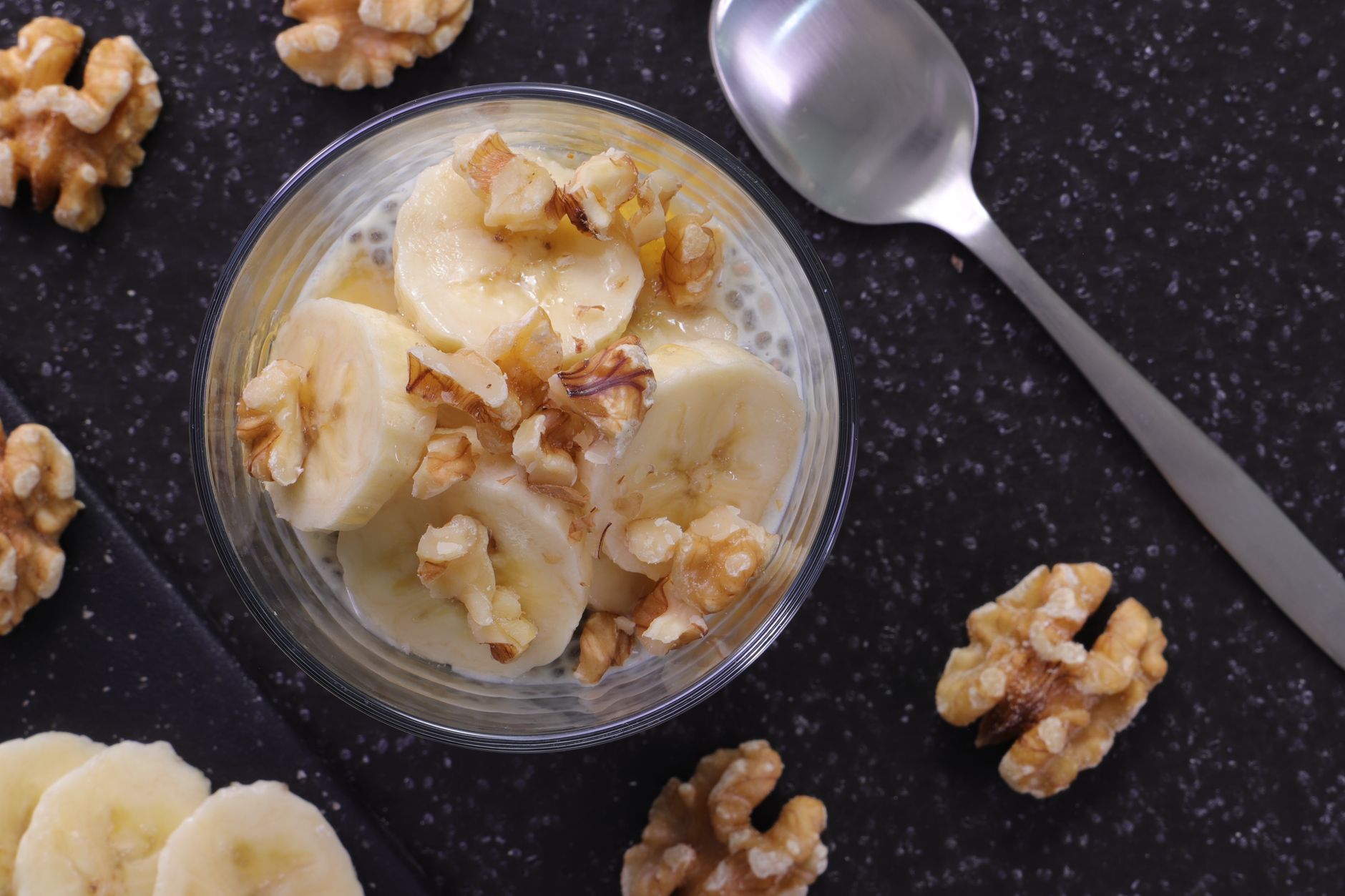
From a dietary perspective, the easiest way to think about this is: probiotic foods provide good bacteria, while prebiotic foods provide fiber‑rich fuel for those bacteria. Fermented foods like yogurt with live cultures, kefir, kimchi, sauerkraut, natto, and some traditional pickles are common sources of probiotics, though the exact strains and amounts vary widely. Prebiotic fibers are found in many familiar plant foods, such as onions, garlic, leeks, chicory root, Jerusalem artichokes, green bananas, oats, barley, and other whole grains. Some packaged foods and beverages also add inulin or oligosaccharides to increase fiber content. Because people’s digestion and tolerance to fiber vary, it is common for individuals to adjust portions gradually and notice how their body responds, especially regarding gas and bloating.
Synbiotics: combining prebiotics and probiotics
When prebiotics and probiotics are consumed together, they are sometimes called synbiotics. The idea is that providing both live beneficial bacteria and the specific fibers they like to ferment may support a more stable environment for the microbes to persist. For example, a supplement may pair certain Lactobacillus or Bifidobacterium strains with FOS or GOS, or a food may contain both live cultures and added fiber. Research on synbiotics is ongoing, and results can differ depending on the strains, doses, and the people being studied. Rather than expecting a particular product to deliver dramatic changes, many experts encourage looking at long‑term dietary patterns, overall fiber intake, and lifestyle factors such as sleep and stress, which all interact with the gut ecosystem.
How to think about supplements and label claims
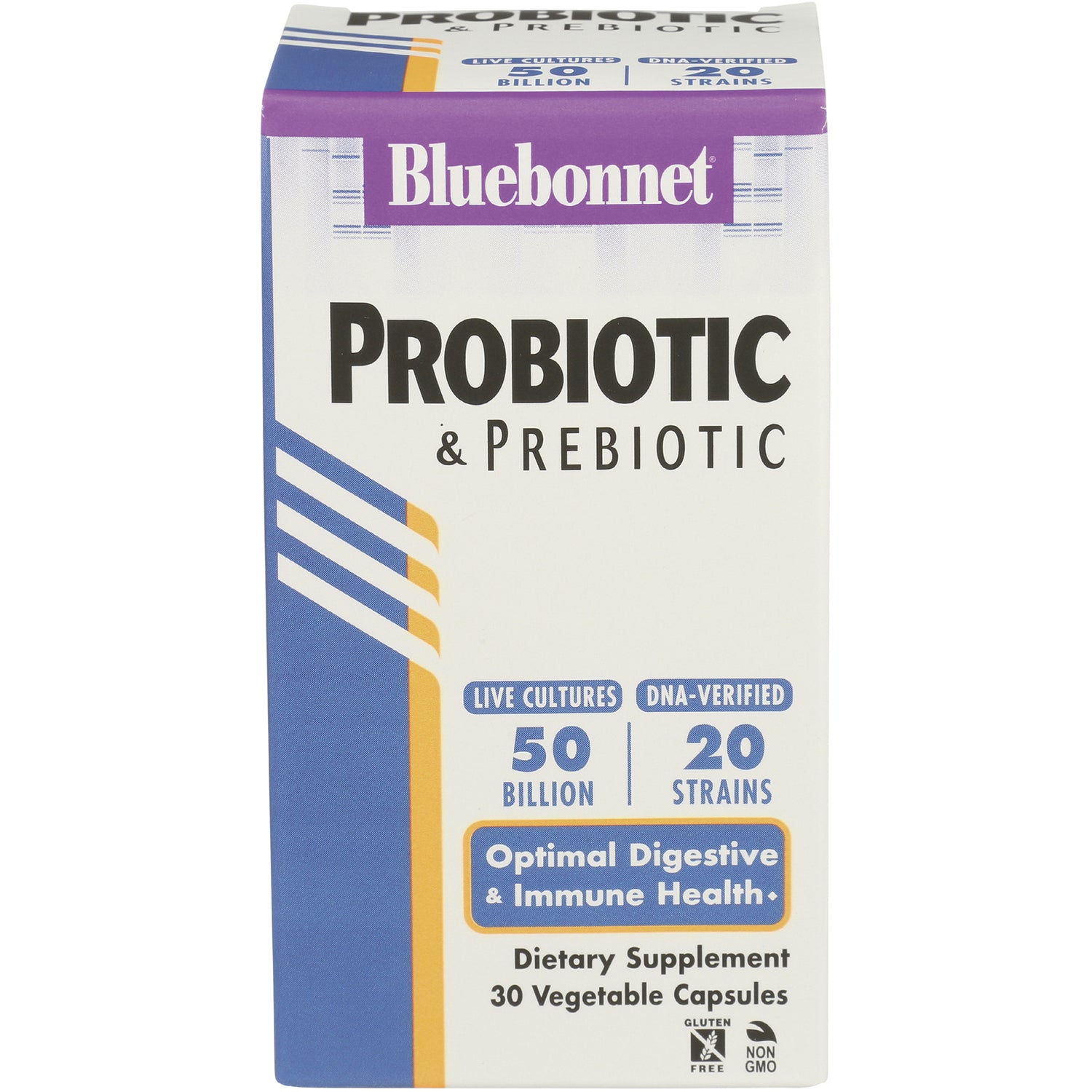
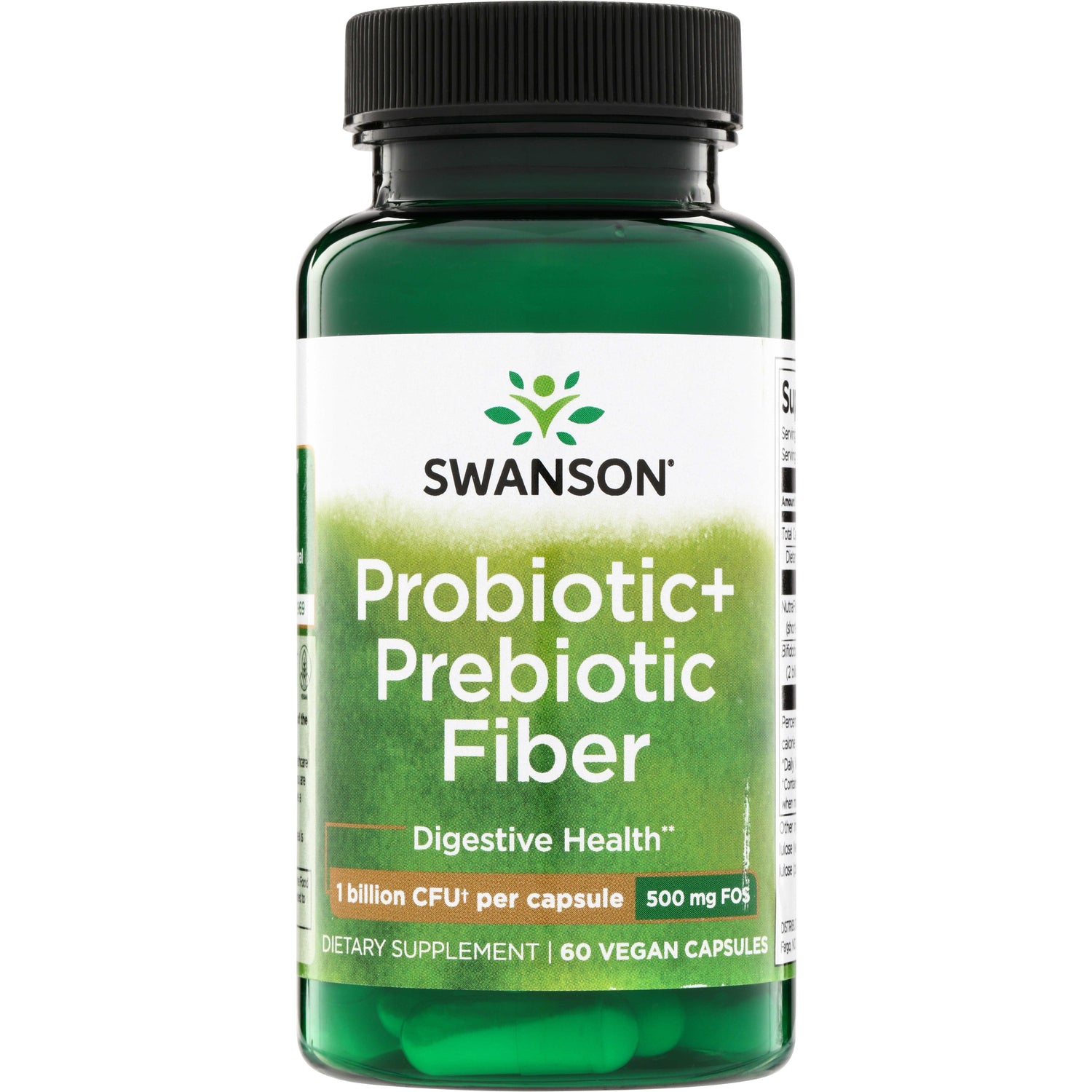
On the market, many products highlight counts like “billion CFU” for probiotics or list several types of prebiotic fibers. For probiotics, factors such as strain specificity, viability by the end of shelf life, and proper storage may matter more than headline numbers alone. For prebiotics, the total fiber amount and the type of fiber influence how strongly they are fermented and how an individual feels after eating them. Health‑related claims should be read carefully, especially when they sound absolute or promise quick changes. For people with chronic illness, digestive conditions, pregnancy, or those taking regular medication, it is safer to discuss supplement use with a doctor or dietitian who can review overall diet and health status rather than relying solely on marketing information.
Practical tips and safety notes (for reference only)
From a practical standpoint, most people can start by focusing on whole foods: including a variety of vegetables, fruits, and whole grains for natural prebiotics, and adding fermented foods if they enjoy the taste and tolerate them well. When increasing fiber intake, many people find it more comfortable to do so gradually and to drink enough water through the day. Some individuals may feel bloated or gassy with certain fibers or sugar alcohols, and may need to adjust the type or amount they consume. Because responses to probiotics and prebiotics differ from person to person, there is no single regime that suits everyone. All information in this article is intended for general education and should not be taken as medical, diagnostic, or treatment advice. Anyone with specific symptoms or concerns is encouraged to consult healthcare professionals for personalised guidance.