People with allergy-prone airways often look for practical ways to manage daily exposure, choose suitable respiratory wellness products, and distinguish a sensible supplement decision from a medical concern. Sneezing, nasal congestion, watery eyes, throat irritation, coughing, or wheezing can have different causes, and allergic rhinitis may occur alongside asthma. That is why product selection should begin with symptom awareness, trigger control, label reading, and professional guidance rather than with a promise of fast results. Herbal supplements can also cause allergic reactions or interact with medicines, so they should be treated as optional wellness products, not substitutes for diagnosis or prescribed care.
Start with the cause, not the product
A useful first step is to observe when respiratory discomfort appears and what surrounds it. Seasonal pollen, indoor dust, mold, animal dander, smoke, fragrances, and workplace exposures may create very different patterns. A symptom diary can record the time, location, suspected trigger, sleep disruption, exercise, and any medicine or supplement already being used. This information gives a pharmacist, physician, or allergy specialist a clearer starting point than a product name alone. If breathing becomes difficult, wheezing is new or worsening, the lips or face swell, or symptoms feel severe, urgent medical care is more appropriate than self-selection.
Many people also mistake persistent allergy symptoms for an ordinary cold. A runny or blocked nose, repeated sneezing, itchy eyes, and an itchy palate commonly appear with allergic rhinitis, while coughing or wheezing may suggest involvement of the lower airways. Allergic rhinitis and asthma can coexist, so people with an asthma history should be especially careful when considering herbal products. The goal of a shopping guide is therefore to organize questions and choices, not to identify or treat a disease.
Read the label with allergy history in mind
A short ingredient list is not automatically safer, and a long botanical list is not automatically more complete. Users should check the serving size, number of servings, botanical names where available, allergen statements, added ingredients, warnings, and directions. The same plant may appear under a common name, Latin name, extract name, or proprietary blend, making careful comparison important. Anyone with known pollen, food, medication, or plant allergies should review the full label and ask a qualified healthcare professional whether the ingredients are appropriate.
Supplement labels also need to be interpreted realistically. Daily Value may not be established for many herbs, which does not mean that the product is suitable for every person or that a larger serving is preferable. Follow the package directions and avoid combining several products with overlapping herbs unless a professional has reviewed the plan. If hives, facial swelling, throat tightness, breathing difficulty, severe dizziness, or another concerning reaction occurs, stop using the product and seek immediate medical help.
Comparing formats and everyday priorities
Format affects convenience more than it determines suitability. Tablets may fit people who prefer a measured serving and a compact routine, while liquids can be useful for readers who find tablets or capsules difficult to swallow. Capsules may suit users who prefer a portable, familiar format, but each option still requires an ingredient and interaction review. The best comparison asks whether the serving instructions are clear, whether storage and measuring are manageable, and whether the format fits the person’s actual routine.
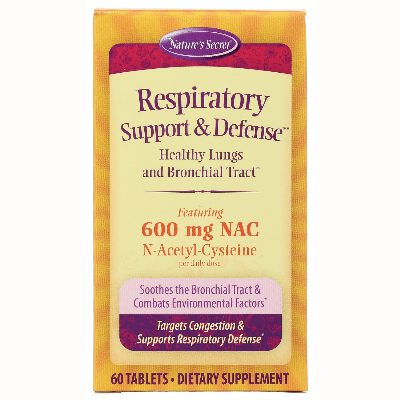
For example, Respiratory Support & Defense is a tablet-based supplement with a serving size of two tablets and 30 servings per container. Its label lists five calories and one gram of total carbohydrate per serving. The description presents a blend of botanicals inspired by traditional herbal use and a natural wellness approach. It may be considered by adults who prefer tablets and want a clearly stated serving format, but suitability depends on the individual’s allergies, medicines, age, pregnancy status, and advice from a healthcare professional.
How the featured products differ
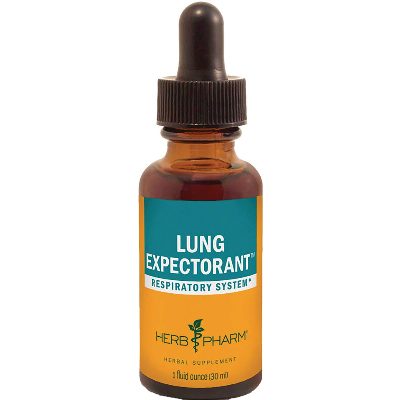
Lung Expectorant - Respiratory System - Respiratory System is a liquid product with a serving size of 0.7 ml and about 42 servings per container. Its label identifies a proprietary extract blend containing herbs such as Yerba Santa, Elecampane, Grindelia, Usnea, Thyme, Lobelia, and Ginger, with some ingredients described as organic, fresh, or responsibly wildcrafted. The label also states that the Daily Value is not established. This format may appeal to people who prefer liquid serving sizes, but the botanical variety makes ingredient review particularly important for anyone with plant allergies or medication concerns.
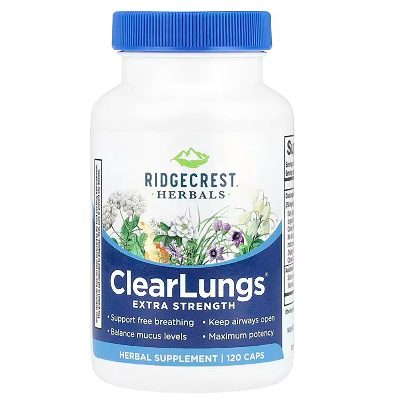
ClearLungs Extra Strength Extra Strength is a capsule product with a serving size of two capsules and 60 servings per container. Its label lists a multi-herb blend including Dong Quai root, Ophiopogon root, Poria, Chinese Asparagus root, Chinese Skullcap root, Gardenia fruit, Luo Han Guo fruit, Platycodon root, Tangerine peel, White Mulberry root bark, Zhejiang Fritillary bulb, Schisandra fruit, and Chinese Licorice root, along with an Availablend Bioavailability Complex. Since the label includes numerous botanicals and a proprietary complex, users should review the complete ingredient panel rather than selecting it solely because it is in capsule form.
Common myths worth avoiding
One common myth is that natural automatically means risk-free. Plants can trigger allergic reactions, and supplements may interact with prescription or over-the-counter medicines. Another myth is that a product designed for respiratory wellness can replace an inhaler, allergy assessment, asthma action plan, or other professional care. A supplement label can describe ingredients and directions, but it cannot establish the cause of breathing symptoms or determine whether a person needs medical treatment.
It is also misleading to compare products only by the number of ingredients or by phrases such as extra strength. More ingredients create more items to screen, not a universal advantage. A practical comparison considers format, serving clarity, ingredient transparency, personal allergy history, current medicines, and the ability to follow directions consistently. If symptoms affect sleep, daily activities, or asthma control, professional evaluation should take priority over trying another supplement.
A practical decision checklist
Before choosing a respiratory wellness product, readers can write down the main symptom, suspected trigger, duration, existing diagnoses, medicines, and known allergies. Next, compare the label’s serving size and complete ingredient list, paying attention to proprietary blends and botanical names. The selected format should be realistic for the person’s routine, but convenience should never outweigh safety screening. For children, pregnancy, breastfeeding, older adults, chronic disease, asthma, or multiple medicines, professional advice is especially appropriate.
- Confirm whether the symptom pattern resembles an allergy, infection, asthma concern, or another issue.
- Review every ingredient and the product warnings.
- Avoid stacking several herbal products without professional review.
- Follow the labeled serving instructions and monitor for unexpected reactions.
- Seek urgent care for serious breathing difficulty, throat swelling, or rapidly developing allergic symptoms.
The most responsible choice is not necessarily the product with the longest ingredient list or the most assertive wording. It is the option that matches the user’s format preference, has a label that can be understood, and fits an informed conversation with a healthcare professional. Respiratory wellness products may be part of a broader personal-care routine, but trigger awareness, environmental habits, prescribed treatment, and timely evaluation remain central. This article is for general information only and does not replace individualized medical advice.
The information in this article is for reference only and does not constitute professional advice. For specific decisions, please consult a relevant professional based on your personal situation.