Seasonal changes can make respiratory wellness a more noticeable part of daily planning. Dry indoor air, pollen, temperature shifts, travel, and crowded workplaces may lead people to review their routines and consider whether a dietary supplement fits their needs. The right choice should begin with the label, serving instructions, ingredient transparency, age guidance, and personal health context rather than with dramatic marketing language. This guide explains practical selection principles and common misconceptions, then uses Respiratory Support & Defense and Lung, Bronchial & Sinus Health as examples. Dietary supplements are not medicines, and they should not replace medical care or prescribed treatment. Anyone who is pregnant, managing a health condition, taking medication, preparing for surgery, or considering a supplement for a child should speak with a qualified healthcare professional first.
Start With the Season, Not the Promise
A useful seasonal routine begins by identifying the situation that matters most. Someone working in a heated office may focus on indoor dryness and consistent daily habits, while a frequent traveler may care more about a clearly stated serving size and a container that fits an organized routine. People who spend time outdoors during pollen-heavy months may look for an ingredient list they can review carefully, especially if they already use medicines or have known sensitivities. These considerations do not prove that a supplement will prevent or treat illness; they simply make the selection process more relevant. Sleep, hydration, ventilation, hand hygiene, avoiding smoke, and seeking medical advice for persistent or severe symptoms remain separate parts of responsible respiratory care.
Read the Supplement Facts Panel Carefully
The Supplement Facts panel should be the starting point for comparison. Check the serving size, number of servings per container, named ingredients, amounts per serving, and other ingredients instead of judging a product by the front label alone. U.S. dietary supplement labels are expected to present truthful, nonmisleading information, but supplements are not reviewed by the Food and Drug Administration for safety and effectiveness before marketing in the same way as medicines. A label also does not automatically confirm that a botanical is suitable for every person. For a formula with a blend of herbs, readers should note whether the label identifies plant parts, extract ratios, or standardized compounds, and should keep the package directions available when discussing the product with a pharmacist or clinician.
Common Myths About Herbal Respiratory Supplements
One common myth is that “natural” automatically means risk-free. Botanical safety can depend on the plant, preparation, amount, individual health status, and interactions with medicines, so natural origin is not a substitute for evaluation. Another misconception is that a longer ingredient list is always better; a longer list may simply make it harder to identify which ingredients matter to a particular user. A third myth is that a supplement can stand in for diagnosis when symptoms continue. Products should not be presented as treatments or cures, and unusual breathing difficulty, chest pain, high fever, rapidly worsening symptoms, or symptoms that do not resolve deserve professional attention rather than self-selection of supplements.
Where Respiratory Support & Defense Fits
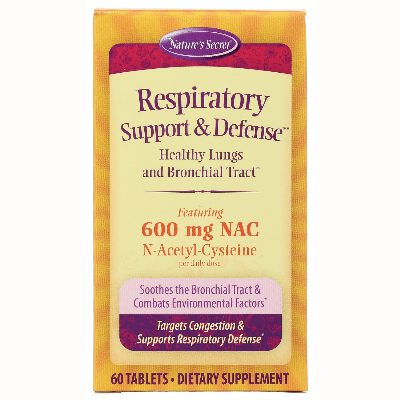
Respiratory Support & Defense is a tablet formula positioned around traditional herbal ingredients and a natural wellness approach. Its stated serving size is two tablets, with 30 servings per container; the Supplement Facts information lists 5 calories and 1 g of total carbohydrate per serving. For shoppers comparing formulas, the practical point is to confirm whether a two-tablet serving fits the intended routine and to review the current package label before use. The product description emphasizes a botanical blend and soothing properties, but it should not be described as diagnosing, treating, curing, or preventing a respiratory disease. It may be a consideration for adults looking for a straightforward herbal-format option, provided the ingredients are compatible with their health circumstances and professional advice is obtained when needed.
Where Lung, Bronchial & Sinus Health Fits
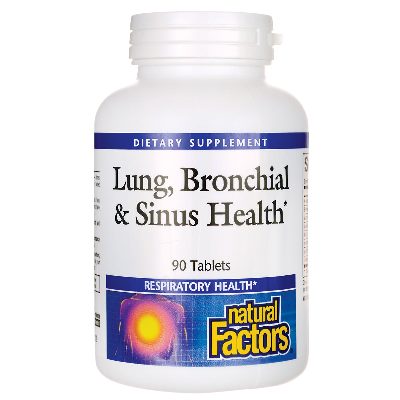
Lung, Bronchial & Sinus Health uses a one-tablet serving and lists 90 servings per container. Its label identifies N-Acetyl-L-Cysteine at 200 mg, bromelain from pineapple stem at 100 mg, marshmallow extract 4:1 at 100 mg, mullein extract 4:1 at 100 mg, wild cherry extract 4:1 at 100 mg, horehound extract 4:1 at 50 mg, ivy extract at 50 mg, and hederacoside at 5 mg; the label also lists microcrystalline cellulose and croscarmellose as other ingredients. The product description presents it as a formula for adults and children over 12 years of age, but age suitability does not remove the need to check medication interactions, allergies, and individual conditions. Readers who prefer a once-daily format and want to inspect named botanicals may find the label easier to compare, while families should confirm use with a healthcare professional for anyone under 18.
Match the Formula to the Real-Life Routine
Beyond budget, the most useful comparison is routine fit. A person who prefers a shorter ingredient list may spend more time examining the label of Respiratory Support & Defense and confirming how a two-tablet serving fits the day. Someone who wants a one-tablet format and a broader named blend may examine Lung, Bronchial & Sinus Health, including its listed plant parts and extract ratios. Neither format is automatically superior, and a larger serving count does not establish better suitability. Keep a record of all supplements and medicines, introduce only one new product at a time when appropriate, follow the package directions, and stop to seek advice if an unexpected reaction occurs. This approach makes it easier to identify what was taken and to communicate clearly with a healthcare professional.
A Practical Seasonal Selection Checklist
Before choosing a respiratory wellness supplement, compare the complete label rather than relying on a product name or a claim on the front panel. Confirm the serving size, serving count, ingredient amounts, other ingredients, age information, directions, and any warnings. Review whether the formula contains botanicals that could be relevant to allergies, bleeding risk, medication interactions, or planned procedures. It is also sensible to avoid stacking several products with overlapping ingredients unless a qualified professional has reviewed the full list. The final decision should reflect the reader’s health history, daily schedule, comfort with the format, and ability to follow directions consistently. These principles are for general information only and do not replace individualized medical advice.
Final Takeaway
Seasonal respiratory care is best approached as a combination of everyday habits, careful label reading, and timely professional guidance. Respiratory Support & Defense offers a two-tablet herbal-format option with 30 servings per container, while Lung, Bronchial & Sinus Health offers a one-tablet format with 90 servings and a more detailed named botanical blend. The meaningful choice depends on ingredient transparency, serving preferences, age and health considerations, and compatibility with current medicines—not on promises of guaranteed results. When symptoms are severe, persistent, or unfamiliar, medical assessment should take priority over supplement selection.
The information in this article is for reference only and does not constitute professional advice. For specific decisions, please consult a relevant professional based on your personal situation.