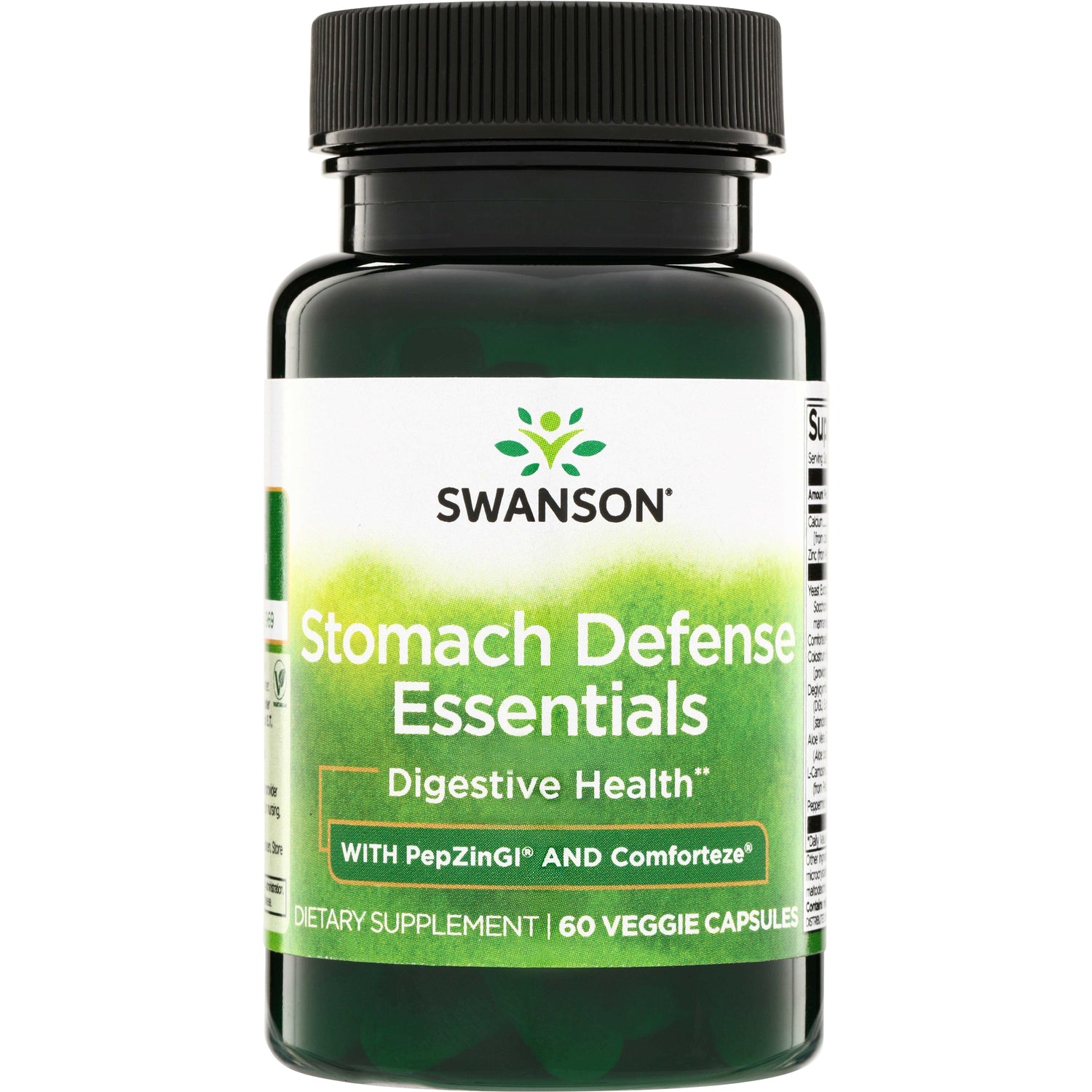
Why discomfort can happen
Some supplements can cause discomfort because they are concentrated ingredients rather than ordinary foods. People may notice nausea, bloating, diarrhea, headache, or skin irritation after starting a new product, especially when they take several items at once or use them on an empty stomach. These reactions do not always mean the product is “bad,” but they do mean the body is reacting to something in the formula, the dose, or the way it was taken.
Common reasons people feel unwell
A frequent reason is simple dose mismatch. Iron, fish oil, magnesium, vitamin C, herbal extracts, and high-strength blends are common examples that may not sit well with everyone, particularly when the stomach is sensitive. Another reason is ingredient interaction: a supplement can clash with a prescription medicine, another supplement, or even coffee, alcohol, or a very low-calorie meal. In real life, discomfort often appears only after a new routine begins, which is why keeping track of timing matters.
When symptoms need more attention
Mild and brief discomfort can sometimes settle after stopping the product, but certain signs should not be ignored. Skin hives, swelling, trouble breathing, repeated vomiting, severe abdominal pain, or dizziness call for prompt medical attention. If symptoms start soon after taking a supplement and repeat with each use, the product should be paused and the label checked carefully. For people with chronic conditions, pregnancy, or a history of allergies, a pharmacist or physician can help judge whether the formula is appropriate.
How to use supplements more safely
Reading the label is the first practical step. Check the active ingredients, dose per serving, suggested timing, and any warning statements before buying or using a product. It is also sensible to introduce one supplement at a time so that any discomfort can be traced more easily. Taking it with food, using a lower starting amount, and avoiding duplicate ingredients from multiple products are common habits that make routines easier to manage.
What to do after a bad reaction
If discomfort appears, the safest move is usually to stop the product and observe what happens next. Saving the package, taking photos of symptoms, and noting when the reaction began can make a follow-up consultation more useful. For persistent or severe symptoms, medical care is the right next step, especially when the person is also taking prescription medicine or has a known allergy history. People who regularly use supplements may also benefit from a short review of their entire routine with a healthcare professional.
A practical way to think about supplements
Supplements are best treated as concentrated nutrition tools, not casual snacks. That means the label, dose, timing, and personal health background all matter more than marketing claims. For many users, a careful start and a simple routine are enough to avoid confusion and unnecessary discomfort. For others, especially those with multiple medications or sensitive digestion, professional guidance is often the easiest way to choose products that fit daily life.