As people age, appetite, chewing ability, activity level, medication use, and digestive function may change at the same time. These factors can make it harder to obtain enough protein, fiber, calcium, vitamin D, vitamin B12, and fluids from regular meals. Nutrition supplements may be useful in selected situations, but they work best as part of a meal-based plan rather than as a replacement for varied food. The most appropriate choice depends on the person’s eating pattern, swallowing ability, existing conditions, medicines, and laboratory results.
Start with the eating pattern, not the supplement shelf
Older adults may eat less because of early fullness, changes in taste, dental discomfort, loneliness, fatigue, or difficulty shopping and cooking. A useful first step is to review a typical day of meals and drinks: whether each meal contains a protein food, whether vegetables and fruit appear regularly, and whether water intake is adequate. Soft options such as tofu, eggs, fish, yogurt, minced poultry, oatmeal, and well-cooked vegetables can make meals easier to chew and swallow. Smaller meals spread across the day may be more practical than one large portion, especially when appetite is limited.
Supplement decisions should address a clear gap. A protein drink may be relevant when meals consistently contain little protein, while a fiber product may be considered when the diet contains few whole grains, vegetables, fruit, or legumes. However, sudden changes in bowel habits, persistent abdominal pain, vomiting, black stools, unexplained weight loss, or difficulty swallowing require medical assessment rather than self-directed supplementation.
Protein: consider the form and the total diet
Protein supports everyday dietary adequacy, but a supplement is not automatically necessary for every older adult. Food sources such as fish, eggs, milk, yogurt, soy products, tofu, beans, skinless poultry, and lean meat can provide protein along with other nutrients. For someone who eats small portions, a fortified milk, soy beverage, yogurt, or ready-to-drink nutrition product may be easier to consume than a large meal. Texture, sweetness, lactose content, and serving size matter as much as the protein number on the label.
A practical approach is to distribute protein across breakfast, lunch, and dinner instead of placing it all in one evening meal. For example, an egg or yogurt at breakfast, tofu or fish at lunch, and a modest portion of poultry or beans at dinner can create a more balanced pattern. People with kidney disease, significant liver disease, swallowing concerns, or a prescribed therapeutic diet should ask a physician or dietitian before using high-protein products or changing intake substantially.
Fiber and fluids need to be considered together
Fiber from oats, barley, vegetables, fruit, beans, and other plant foods is part of a balanced eating pattern. When a person is not accustomed to much fiber, increasing it rapidly may cause gas, bloating, or discomfort. A gradual change is generally easier to tolerate: add one small serving of vegetables, fruit, or whole grains at a time and observe the response. A fiber supplement should not be selected solely because it sounds gentle or natural; the ingredient, serving size, and interaction with medicines all deserve attention.
Fluids are equally important when fiber intake rises. Water, soups, milk, and unsweetened beverages can contribute to daily intake, unless a clinician has prescribed fluid restriction. Older adults with heart failure, kidney disease, or other conditions affecting fluid balance need individualized advice. Supplements should be taken according to the product label, and medicines should not be mixed with fiber products unless a pharmacist confirms suitable timing.
Calcium, vitamin D, and vitamin B12 require context
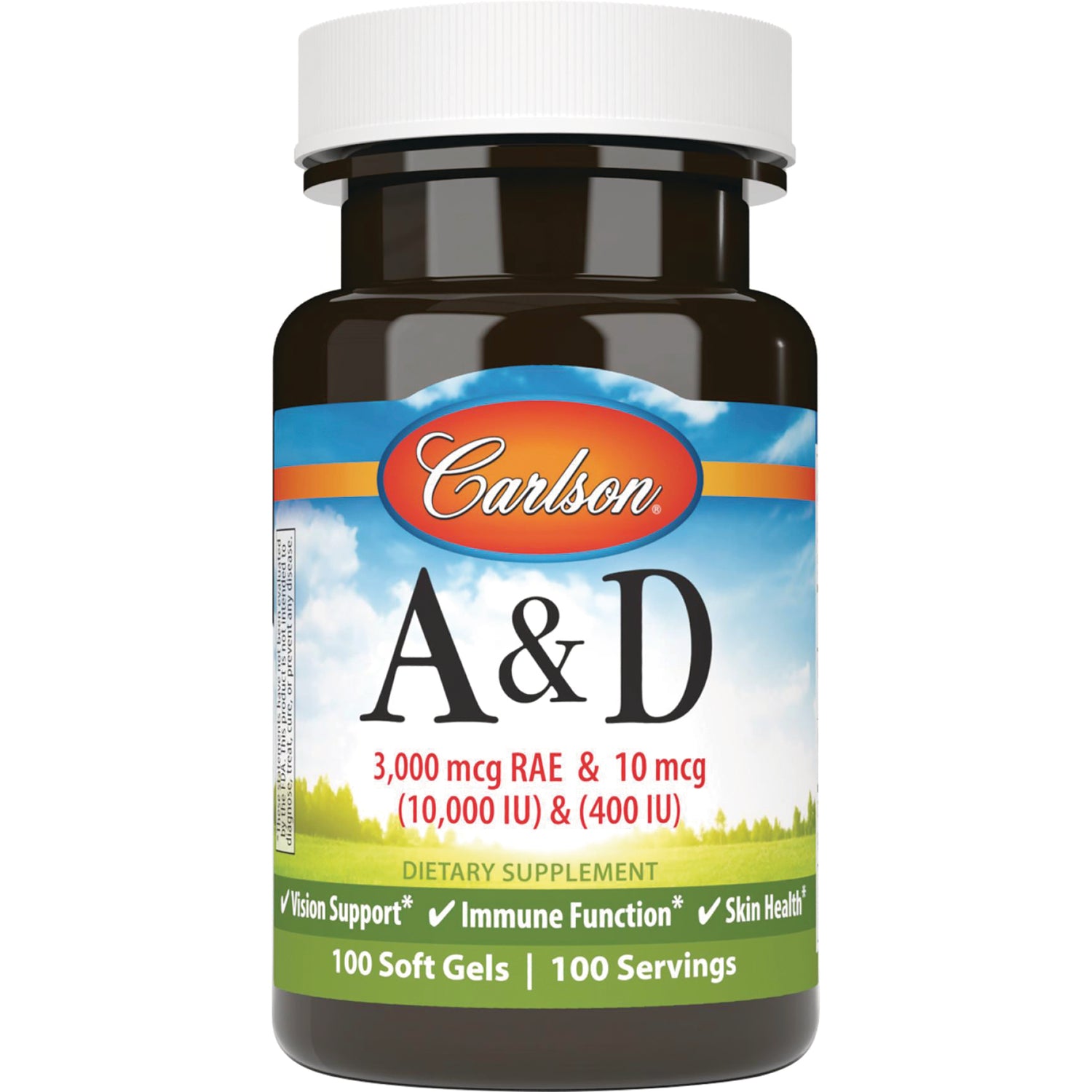
Calcium and vitamin D are often discussed together because vitamin D is involved in calcium use by the body. Food sources include milk, yogurt, calcium-fortified soy beverages, tofu made with calcium salts, and selected fish or leafy vegetables. Supplement selection should account for the person’s usual diet, age, kidney function, history of kidney stones, and other products already being taken. More is not automatically better, and duplicate ingredients can occur when a multivitamin is combined with a bone-focused product.
Vitamin B12 may deserve attention when meals contain little animal food, when long-term use of certain medicines affects nutrient status, or when blood tests indicate a concern. A multivitamin, single-nutrient tablet, or fortified food may contain different forms and amounts, so the label should be read carefully. Numbness, balance changes, marked fatigue, or memory concerns should not be attributed to ordinary aging or managed only with supplements; professional evaluation can identify nutritional and non-nutritional causes.
How to read labels and distinguish product categories
In Taiwan, the legal term “health food” refers to a product that has received a Ministry of Health and Welfare health-food permit and may display the small green person mark. Only approved products may make claims within the authority’s recognized categories, and claims must follow the permitted wording. Ordinary foods and general dietary supplements are not automatically health foods, even when their packaging uses phrases such as “daily nutrition” or “digestive formula.” Consumers should check the permit information, ingredient list, serving size, allergen statement, expiration date, and warnings.
A product’s marketing language should not replace professional advice. Statements such as “100% absorption,” “guaranteed results,” or claims about managing a disease are inappropriate standards for choosing a food product. People taking anticoagulants, thyroid medicines, diabetes medicines, antibiotics, or multiple prescriptions should ask a pharmacist about spacing and possible interactions. A registered dietitian can also compare the product with the person’s actual diet and identify unnecessary overlap.
Build a gentle routine and monitor the response
A supplement is easier to assess when it is introduced one product at a time. Record the serving, time of use, appetite, bowel pattern, abdominal comfort, and any changes in regular medicines or meals. Taking a product with food may be more comfortable for some people, but the product label and pharmacist’s instructions take priority. If diarrhea, constipation, rash, nausea, swelling, breathing difficulty, or other concerning symptoms appear, stop and seek appropriate advice rather than adding another product to counter the reaction.
Caregivers can make the routine more reliable by keeping products in their original containers, using the included measuring device, and checking whether the older adult can open, swallow, and remember the serving. A monthly review can ask three questions: Is the product still filling a documented dietary gap? Is it being tolerated? Does it duplicate another supplement or conflict with a medicine? This process keeps nutrition support connected to real meals and changing needs.
The most sustainable plan usually combines soft, nutrient-dense meals, regular fluids when medically appropriate, adequate protein foods, gradual fiber intake, and targeted supplements only when there is a clear reason. Families can begin by discussing appetite, chewing, bowel patterns, recent weight change, and current medicines with a doctor, pharmacist, or dietitian. In Taiwan, checking whether a product is an approved health food and avoiding disease-related claims are important parts of responsible selection. A simple, individualized routine is generally more useful than collecting several products with overlapping ingredients.
This article is for general wellness reference only. Claims about foods or supplements should be verified against the approvals issued by your local health authority. Consult a doctor or pharmacist if you have a medical condition or special dietary needs. It does not constitute medical advice and is not a substitute for professional diagnosis.