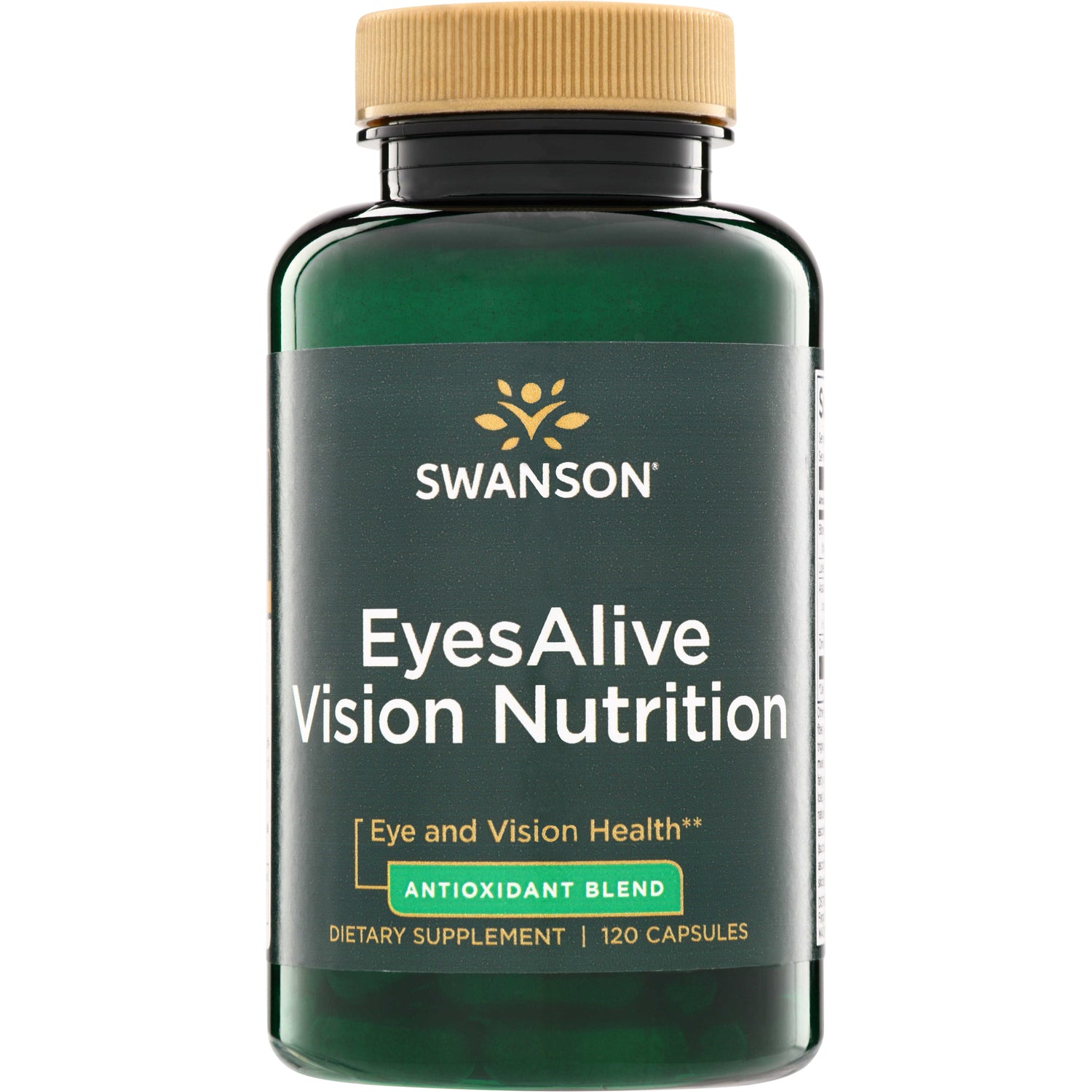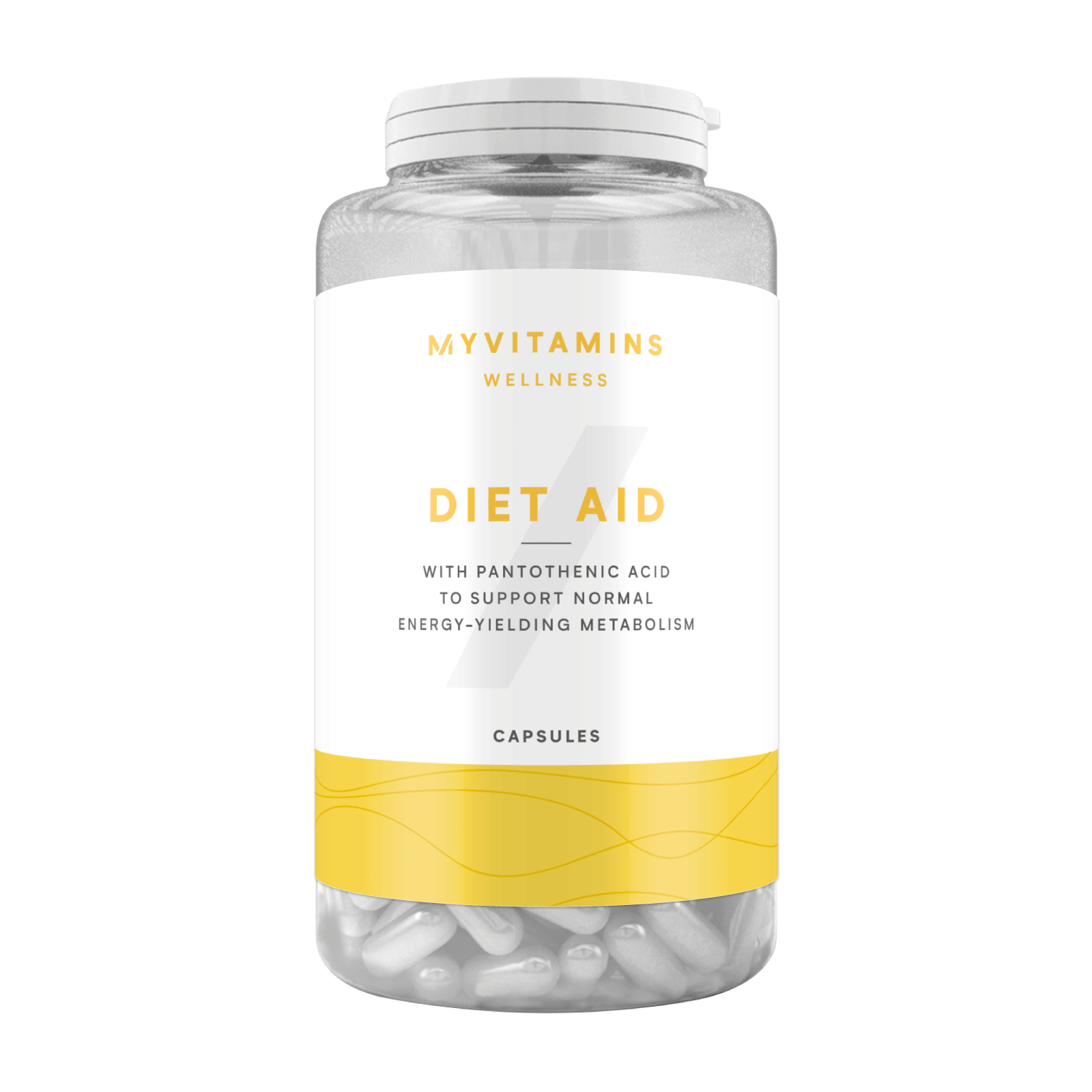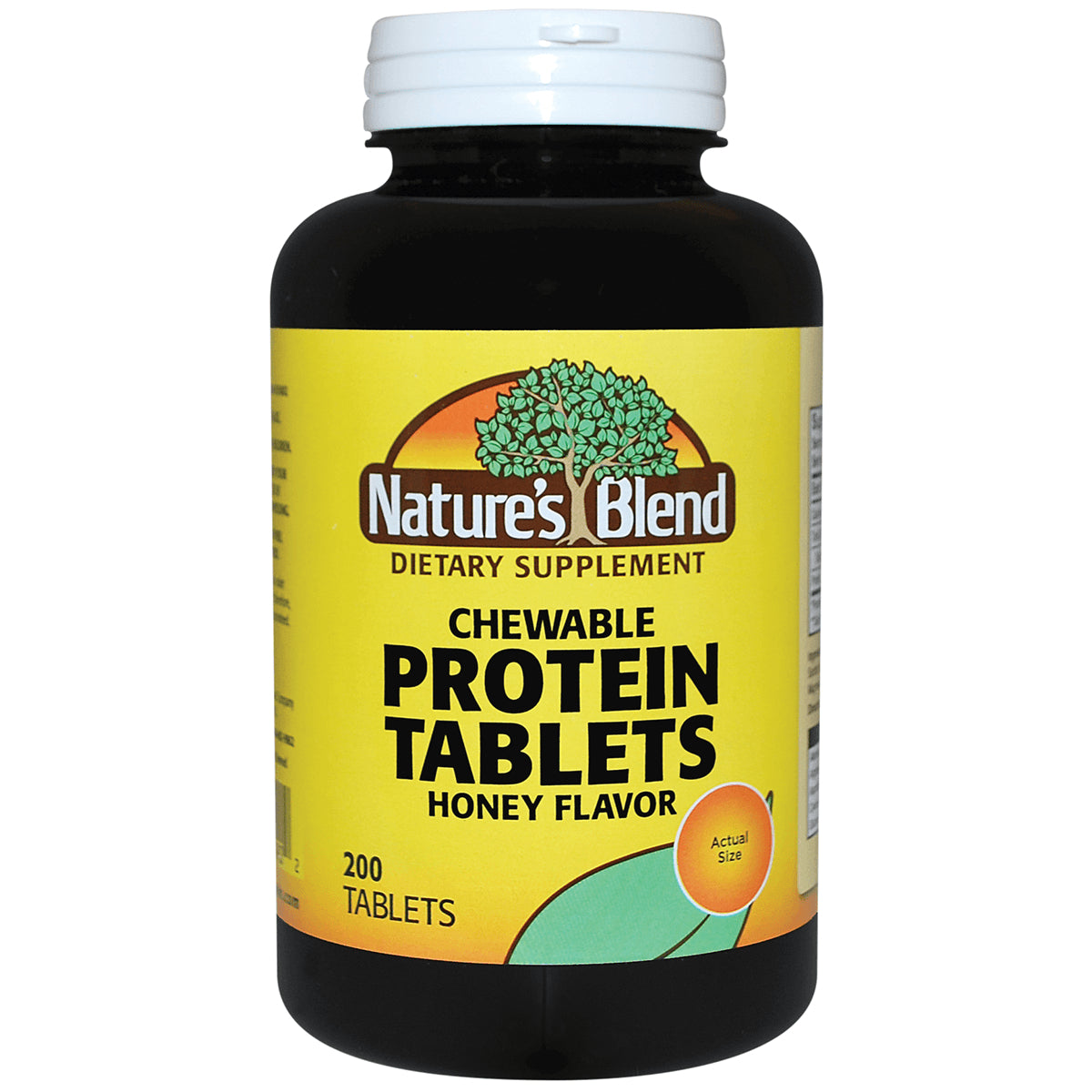
Why these ingredients appear in supplements
Supplement labels often list more than vitamins, minerals, or herbal extracts. That is because many products also need excipients, which are the non-active ingredients used to shape, stabilize, or package the final form. In practice, these ingredients can affect whether a powder becomes a tablet, whether a softgel keeps its shape, or whether a product stays usable during storage.
For many shoppers, the key point is not whether excipients exist, but which ones are present and whether they fit personal needs. A product with a short ingredient list may still contain binders, fillers, coatings, or flavoring agents. That does not automatically make it a poor choice; it simply means the label deserves a closer look.
What excipients and additives actually do
Excipients are often used to help a supplement manufacture cleanly and remain stable on the shelf. They may support compression into tablets, prevent clumping, improve flow during production, or protect ingredients from moisture and oxidation. Without these materials, some formulas would be harder to produce consistently or might lose quality faster after packaging.
Food additives in supplement products can overlap with excipients, especially when a formula includes sweeteners, colorants, flavors, or coating materials. These ingredients may be included for appearance, taste, or processing reasons rather than for the main nutritional formula. For consumers, the important distinction is that these extras are not always suspicious, but they are still part of the final product and should be reviewed like any other ingredient.
When a label deserves extra attention
Some people pay closer attention to excipients because of allergies, intolerances, or dietary rules. Ingredients such as milk-derived components, soy, gluten-containing starches, or gelatin may matter for people with specific restrictions. Religious dietary requirements, vegan preferences, and medical diets can also influence whether a particular capsule, tablet, or powder is suitable.
This is where label reading becomes practical instead of theoretical. A product may be fine for a general consumer but inconvenient for someone who avoids animal ingredients or certain allergens. In those cases, the question is not whether the supplement is universally good or bad, but whether the ingredient profile matches the user’s situation.
Additives, formulation, and buying decisions
Not every additive changes the value of a supplement in the same way. Some ingredients are there for production efficiency, while others influence taste, texture, or appearance. That is why two products with the same active ingredient can look very different on the shelf, even if their purpose is similar.
Shoppers who want a simpler formula often compare products by looking at the full ingredient panel, not just the front-label claims. They may prefer fewer unnecessary extras, but the best choice still depends on the form factor, intended use, and personal restrictions. A tablet, capsule, gummy, or powder each comes with different formulation trade-offs.
How to read the label more effectively
A useful habit is to scan the active ingredients first, then move to the other listed components. If a name is unfamiliar, the next step is to check whether it is a binder, coating agent, sweetener, colorant, or other support ingredient. That simple workflow can make supplement shopping less confusing, especially when product pages use marketing language more than plain ingredient terms.
It also helps to compare similar products side by side. One may have a shorter ingredient list, while another may use a different capsule material or flavor system. Rather than assuming the shorter list is always better, readers can ask whether the formula fits their diet, tolerance, and convenience needs.
A practical way to think about the trade-off
The presence of excipients and additives is not automatically a red flag. In many products, they are part of ordinary manufacturing and help make supplements stable, usable, and consistent. The more relevant question is whether those ingredients are acceptable for the individual buyer.
For people with allergies, strict diets, or strong preferences for simpler formulas, these details deserve closer inspection. For everyone else, a balanced approach works best: read the label, understand what the extra ingredients do, and choose the product that matches the intended use rather than the most dramatic marketing claim.