Many users struggle with swallowing large supplement capsules or tablets and start to wonder whether they can simply open them or crush them to make intake easier. For some products this adjustment is acceptable, while for others it can change how the ingredients behave in the body or increase irritation in the mouth and stomach. Understanding the basic differences between capsules and tablets, as well as how coatings and release designs work, helps readers make safer decisions. This article focuses on common everyday scenarios and practical questions, while also reminding readers to check labels and consult health professionals rather than relying only on packaging claims or online tips.
Why people want to open or crush supplements
Difficulty swallowing is a frequent reason people consider opening capsules or crushing tablets, especially among older adults, teenagers who dislike the taste, and busy professionals taking multiple products each day. Some readers may also want to mix supplements into smoothies, yogurt, or juice to fit into their daily routine, or to avoid the smell or aftertaste of certain ingredients like fish oil or herbal extracts. In families caring for aging parents, caregivers often try to simplify the supplement routine by combining powders or breaking tablets in half. While these ideas sound convenient, they can also introduce new issues such as uneven dosing, stronger taste, or irritation on the tongue. Recognizing these trade‑offs is the first step before changing how a supplement is taken.
Understanding capsule types and what opening them means
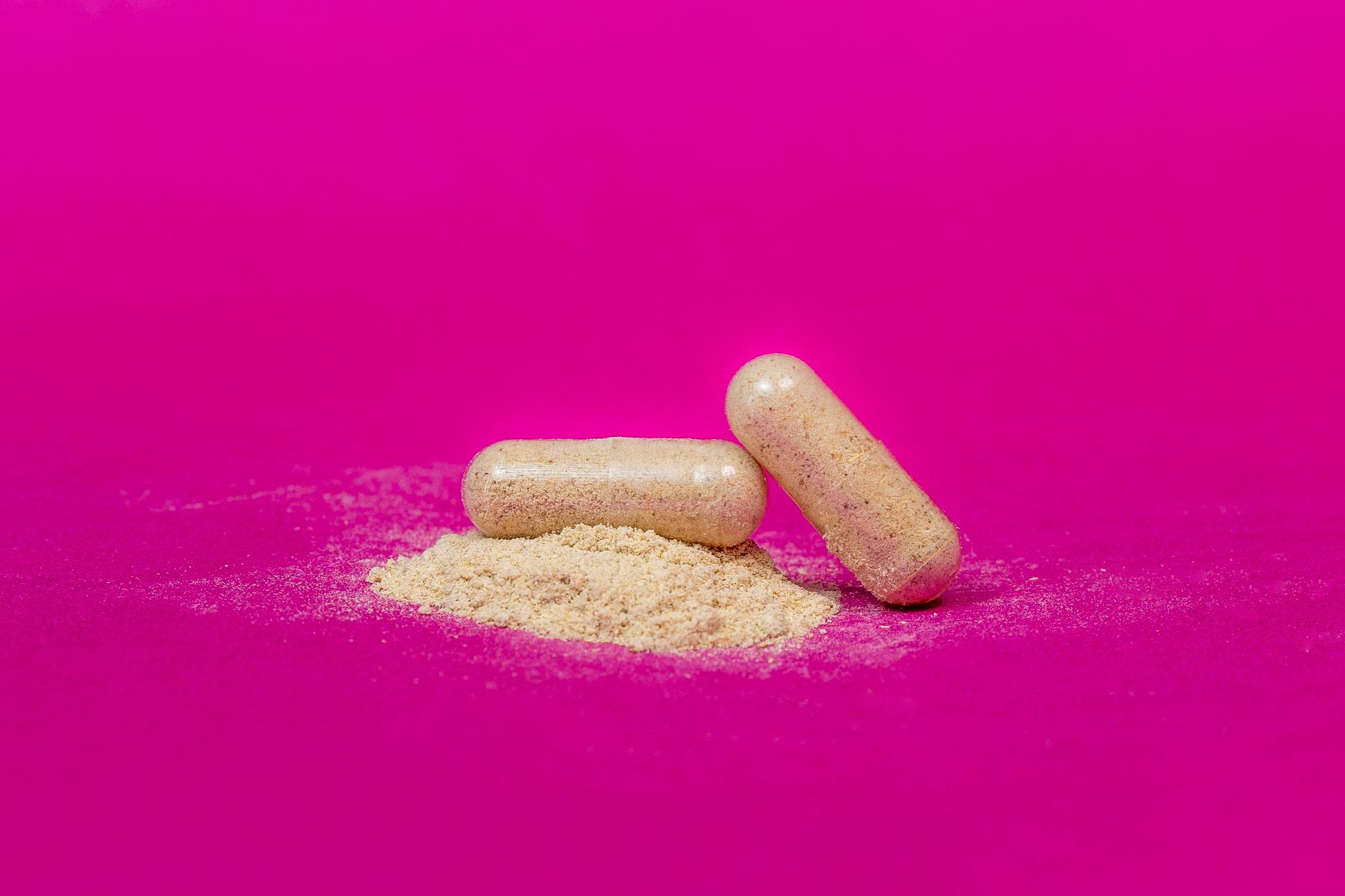
Capsules may look similar from the outside, but there are important differences that affect whether they should be opened. Simple two‑piece gelatin or vegetarian capsules often just serve as a container for powder and do not have complex release designs, so opening them and mixing the contents into soft food may be possible if a pharmacist or doctor confirms it is appropriate. However, some capsules are designed as delayed‑release or enteric products that pass through the stomach and open in the intestine, which can protect sensitive ingredients or reduce stomach discomfort. Opening these capsules can expose the contents to stomach acid earlier than intended and may change how the product behaves. Because the average consumer cannot easily tell the difference by appearance alone, checking the label wording and asking a professional becomes very important.
Tablets, coatings, and the impact of crushing
Tablets are often perceived as more solid and stable than capsules, leading some users to think that crushing them is harmless if it helps swallowing. In reality, tablet design can be quite complex, and coatings may serve several purposes beyond making the surface smooth. Film coatings can reduce a strong taste or smell, protect ingredients from moisture and light, or provide a layer that changes where in the digestive tract the tablet dissolves. Extended‑release or slow‑release tablets are specifically engineered to deliver ingredients over several hours rather than all at once. When such tablets are crushed, the full amount may disperse quickly, which can increase the chance of unwanted reactions and change the intended experience. Even for simple tablets, crushing can create small, sharp fragments that are uncomfortable to swallow or easy to inhale accidentally if handled carelessly.
Reading labels and spotting red flags
Product labels provide useful hints about whether opening or crushing is likely to be appropriate. Words such as "extended release", "sustained release", "controlled release", or "enteric coated" usually signal that the manufacturer designed the tablet or capsule to work in a specific way over time or in a particular part of the digestive tract. In these cases, altering the physical form without guidance is generally discouraged. Labels that describe the product as "chewable" or "powder" suggest that the supplement is already suited for people who do not wish to swallow whole tablets or capsules. Some brands also include notes like "do not crush or chew" near the directions section, but this warning may not appear on every product that should remain intact. Because labeling practices vary widely, readers are encouraged to treat the absence of a warning as incomplete information rather than a sign that opening or crushing is automatically fine.
Special considerations for older adults and caregivers
Older adults often take multiple medicines and supplements at the same time, which can make swallowing large tablets or capsules tiring or stressful. Caregivers sometimes respond by cutting or crushing everything into a spoon of pudding or applesauce, hoping to simplify the routine. While this approach may feel practical, it can blur the lines between prescription medicines and over‑the‑counter supplements, and each group follows different rules. Some medical products have clear guidance about whether they can be split, while many supplements do not. For seniors with delicate digestion, removing coatings or changing where ingredients dissolve in the body can alter comfort levels. Discussing the full list of products with a doctor or pharmacist allows professionals to spot combinations where opening or crushing is likely to matter and suggest alternatives such as smaller dose forms, liquid products, or chewable options.
How taste, texture, and mixing with food can change the experience
Even when opening capsules or crushing tablets is considered acceptable, the sensory experience often changes noticeably. Powders from fish oil, herbal blends, or mineral supplements can have a strong taste or smell that becomes more obvious once mixed into yogurt or a drink. Some ingredients may be slightly bitter or metallic, which could discourage consistent use if the new taste is unpleasant. Texture can also matter; gritty particles may feel rough in the mouth or leave residue on the tongue, and some powders thicken quickly when added to liquids. To manage these factors, some users experiment with small amounts first, choosing soft foods with enough flavor to balance any natural taste from the supplement. However, adding supplements into large meals can raise separate questions about timing and interactions, so checking with professionals about the best way to combine products with food remains useful.
When to seek professional advice and alternative formats
Anytime a supplement has special release wording, a strong dose, or is taken alongside prescription medicines, seeking advice before opening or crushing is a cautious approach. Pharmacists are trained to evaluate how different dosage forms behave and can often suggest safer alternatives such as liquid drops, chewable tablets, smaller capsules taken more than once a day, or products with similar ingredients but simpler designs. Readers may also bring the actual bottle to appointments so professionals can review the full label, including fine print, ingredient list, and instructions. For people with chronic swallowing difficulties, doctors might recommend formal assessments to be sure that changes in intake methods do not increase choking risk. Overall, adjusting how a supplement is taken should be viewed as a shared decision, combining everyday convenience with expert input, rather than a quick fix made in isolation at home.
The information in this article is intended for general education and does not replace personalized medical or pharmaceutical advice. Individuals who are unsure whether they can open or crush a specific supplement are encouraged to consult a pharmacist or doctor, especially when other medicines are involved or when the product uses special release technology. Paying attention to label wording, listening to the body’s reactions, and being open to alternative formats can help users build routines that feel practical while still respecting safety considerations.