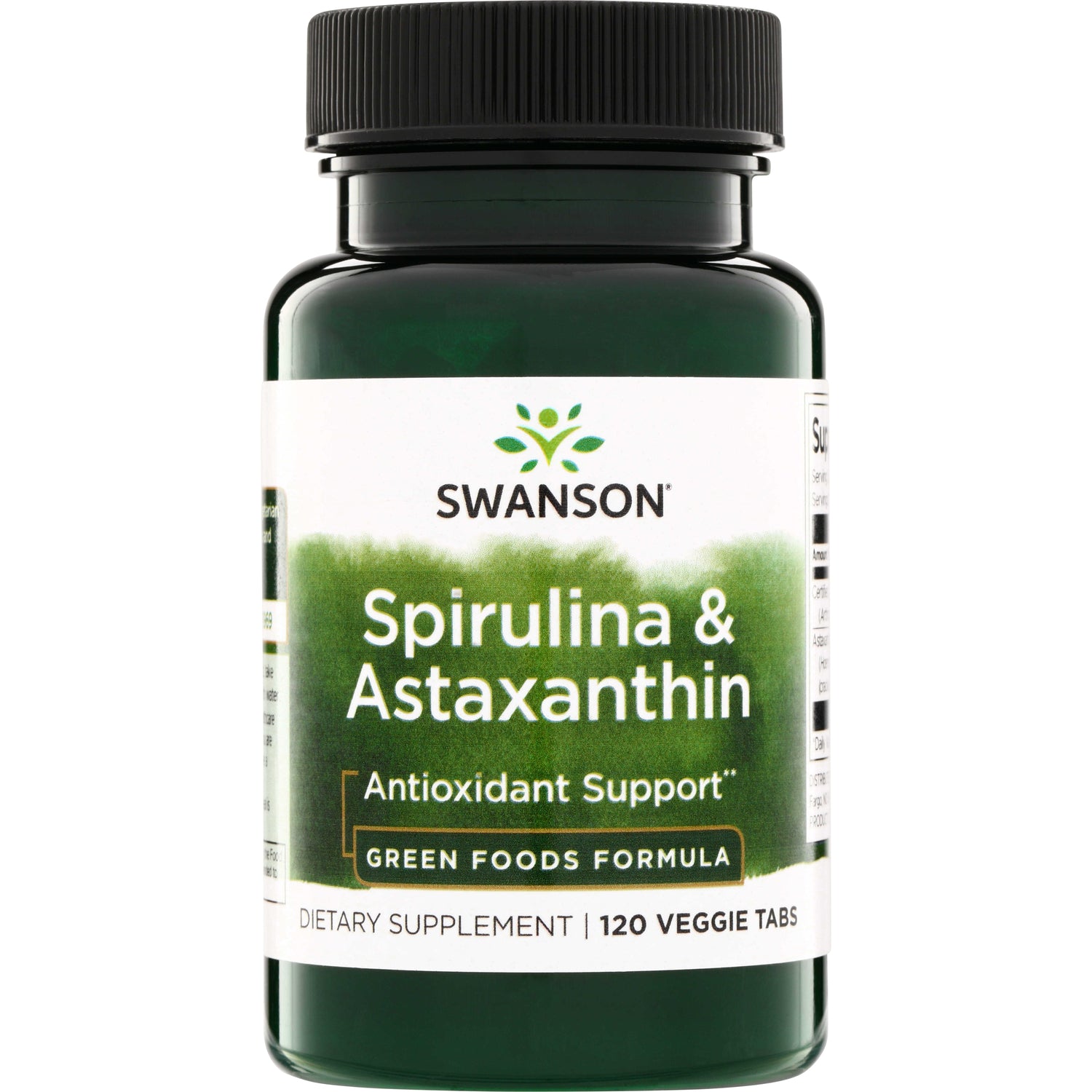
Many people notice that supplements with similar claims can vary widely in price, from very affordable bottles at the supermarket to premium lines sold through clinics or specialized retailers. Price alone can be confusing, and some assume that expensive products are always better, while others think low cost automatically means poor quality. In reality, the difference between affordable and high‑priced supplements usually comes from a combination of factors such as ingredient quality, active content, manufacturing standards, testing, brand strategy, and distribution channels. Understanding these elements helps consumers focus less on price as a signal and more on how well a product fits their needs, budget, and safety expectations.
Ingredient quality and source
One major factor behind price differences is how ingredients are sourced and processed before they become capsules or tablets. Affordable supplements often use ingredients produced at large scale, which can keep costs down but may involve broader tolerances in purity and standardized content. Premium products may choose ingredients with higher purity standards, specific geographic origin, or patented extraction methods, all of which tend to raise raw material costs. For example, some brands highlight non‑GMO sources, specific plant varieties, or controlled supply chains with traceability back to farms or fisheries. These decisions do not automatically make a product better for every person, but they illustrate why two supplements labeled with the same nutrient can be priced very differently once sourcing and processing are taken into account.
Active ingredient content and dosage
Beyond the price tag, the amount of active ingredient per serving has a large influence on cost. Some affordable supplements contain relatively modest doses, designed for general nutritional support rather than targeted use, which can keep manufacturing and retail prices lower. Premium products, especially those positioned for intensive support, may include substantially higher amounts of the same nutrient, or combine several active components in one formula, raising material and production expenses. Labels sometimes show large differences in milligrams or international units per capsule among products that appear similar at first glance. Because higher doses are not automatically appropriate or necessary for everyone, consumers are usually advised to compare serving sizes, check total daily intake, and consider professional guidance rather than assuming that more is always better or that price reflects personal suitability.
Manufacturing standards and quality control
Another reason for price variation lies in how strictly production is controlled. Many supplements are manufactured under general food standards, which set baseline requirements but allow differences among factories in terms of process control and documentation. Higher‑priced products may be made in facilities that follow pharmaceutical‑like quality systems, detailed batch records, and regular audits by third‑party organizations, increasing operational costs. Some companies invest in more precise blending, better capsule disintegration characteristics, or packaging designed to protect sensitive ingredients from moisture and light. These steps can contribute to both stability and consistency but also raise the final price. For consumers, checking whether a product mentions good manufacturing practice, independent quality seals, or specific process standards can be more informative than relying only on the cost as a proxy for manufacturing quality.
Testing, certification, and transparency
Laboratory testing and certification also influence how affordable or premium a supplement becomes. Basic products may rely on internal checks and spot testing to confirm identity and content of ingredients. In contrast, some higher‑priced brands routinely send batches to external laboratories to verify purity, check for contaminants such as heavy metals or pesticides, and confirm that labels accurately represent actual content. Independent certification programs and quality marks often require documentation, audits, and fees, all of which are reflected in retail pricing. Transparent brands sometimes publish test summaries or explain their quality processes, helping consumers understand where part of the cost goes. While extensive testing does not change the purpose of a supplement, it can increase confidence that the product aligns with its stated composition, which matters especially to people with specific health conditions or dietary restrictions.
Brand, marketing, and distribution costs
Price is not determined only by the capsule itself; brand positioning and distribution channels also play a role. Some supplements are sold with minimal packaging and limited advertising, focusing on straightforward formulations and volume sales, which helps keep prices down. Others invest heavily in design, celebrity endorsements, educational campaigns, or specialized sales staff, all of which add marketing expenses. Products distributed through healthcare professionals or specialty boutiques may include margins that cover personalized consultation, follow‑up, and support services. As a result, two supplements with similar formulations can differ substantially in price because one carries higher brand and service costs. Consumers comparing products can benefit from distinguishing between paying for added value such as counseling or detailed information and paying mainly for brand image.
How to compare affordable and high‑priced options safely
When deciding between affordable and premium supplements, many people find it helpful to look beyond price and systematically review several aspects of each product. Checking the label for clear listing of active ingredients, their amounts per serving, and recommended daily intake levels provides a more concrete basis for evaluation than marketing slogans. Reading about ingredient sources, manufacturing standards, and any third‑party testing can clarify where the value lies and whether the higher price reflects quality processes or primarily branding. It is also useful to consider duration of use and total monthly cost, since some products are intended for long‑term intake and budget sustainability becomes important. For individuals with existing health conditions, ongoing medication, pregnancy, or complex nutritional needs, consulting healthcare professionals such as physicians, pharmacists, or dietitians is generally recommended so that supplement choices align sensibly with overall care.
Balanced expectations and professional advice
Ultimately, the difference between affordable and high‑priced supplements is multifaceted and not captured by simple assumptions that all expensive products are superior or all low‑cost ones lack quality. Ingredient sourcing, active content, manufacturing controls, testing, brand strategy, and distribution all contribute in different ways. Many consumers benefit from seeing supplements as one part of broader lifestyle and nutrition habits rather than a standalone solution. Because individual health situations vary, information in this article is intended for general educational purposes only and does not replace personalized medical, nutritional, or financial advice. People who are considering new supplements, changing doses, or combining multiple products are usually encouraged to discuss plans with qualified professionals who can take their medical history, diet, and goals into account before making specific recommendations.