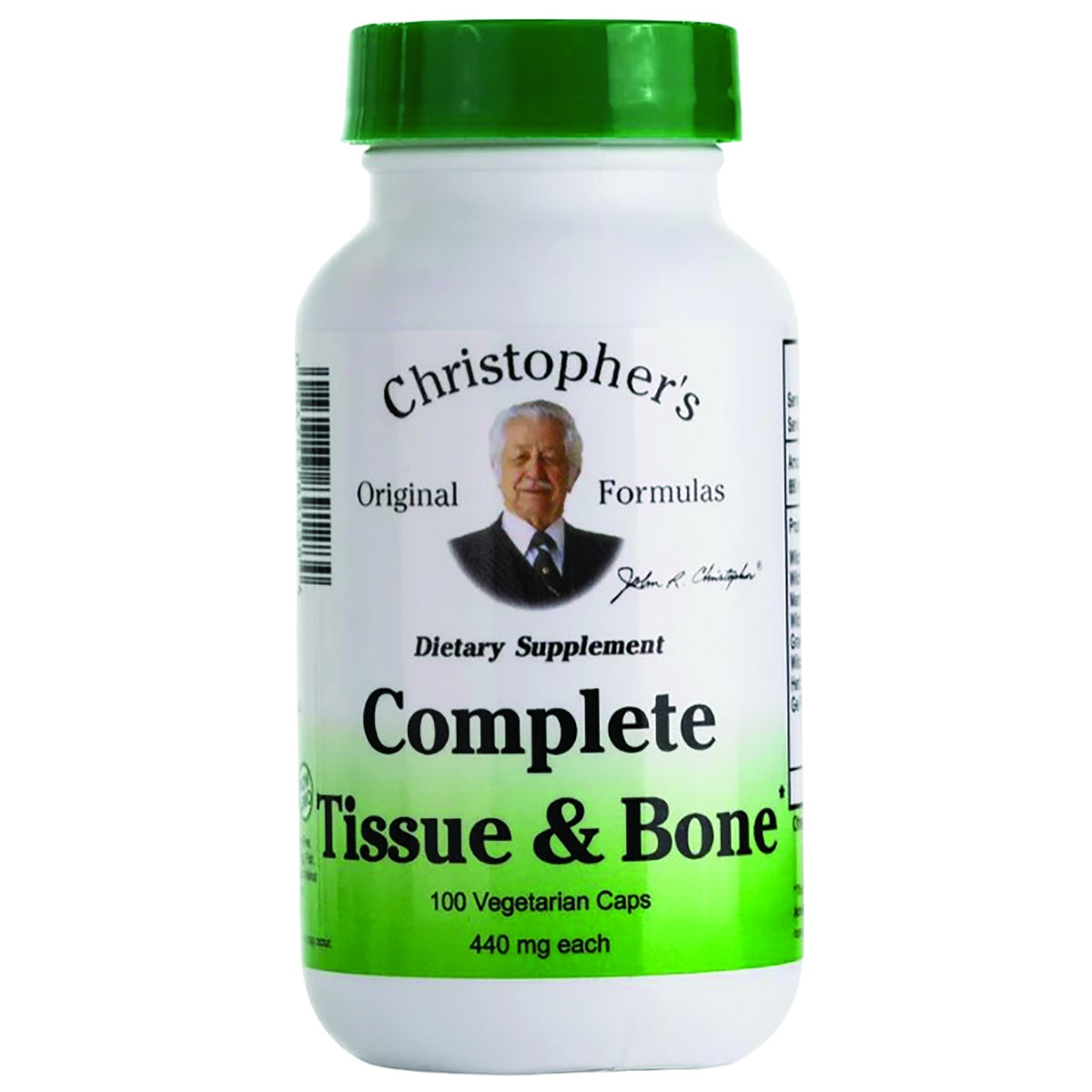
Many people compare dietary supplements mainly by price or total capsule weight, but this often leads to misleading judgments about value. A product that looks inexpensive at first glance may deliver very little of the nutrients a person is aiming for, while a higher priced option may provide a denser and more suitable formula when cost per serving is considered. Understanding how to calculate the real CP value of supplements helps readers avoid impulse purchases and choose products that match their health goals and budget. Because supplements can influence health, all information here is for general reference, and personal decisions are best discussed with health professionals.
What CP value means for dietary supplements
In consumer discussions, CP value usually refers to the balance between what is paid and what is gained in return. For dietary supplements, this goes beyond simply dividing price by number of capsules. The core question is how much relevant active ingredient a person gets per day for a given cost, and whether that intake level aligns with recognized nutrition guidelines or personal needs. A product with a low unit price but insufficient or inconvenient dosing may end up offering limited practical value. On the other hand, a supplement that clearly labels ingredients, uses reliable sources, and offers a reasonable daily cost for reaching target intake will often be considered to have better CP value, even if its shelf price looks higher.
Step 1: Look at active ingredient content, not just total weight
A key step in calculating supplement CP value is to focus on active ingredient content rather than total capsule or tablet weight. Many labels list a large milligram number that actually refers to an extract or oil, while the specific nutrient of interest, such as EPA and DHA in fish oil, may account for only part of that amount. For value assessment, the relevant figure is how many milligrams of the target nutrient are provided per serving. When comparing products, consumers can standardize them by calculating cost per 100 mg or per gram of the active ingredient most relevant to their purpose. By doing this, some seemingly affordable products may turn out to deliver much less of the desired nutrient per dollar than alternatives that use more concentrated formulas.
Step 2: Check recommended daily serving and portion cost
Another often overlooked factor is recommended daily intake and how many capsules or scoops are needed to reach it. Some supplement pages highlight high content per capsule but require several capsules per day to match general nutrition recommendations, which changes the actual cost of daily use. A practical way to compare CP value is to calculate the cost per day based on the suggested serving on the label and the active nutrient provided by that daily amount. For instance, two bottles might appear similarly priced, but if one requires three servings daily to reach a commonly referenced intake and the other needs only one, their real cost over a month will differ significantly. Paying attention to both serving size and daily portion cost helps prevent under‑dosing just to save money or over‑reliance on headline numbers that do not reflect realistic usage.
Step 3: Consider absorption, form, and practical usability
Beyond milligram numbers, absorption and dosage form influence how much of a nutrient the body can actually utilize. Some nutrients have better bioavailability in certain chemical forms or when paired with specific co‑ingredients, and reputable brands often indicate these choices on the label or product description. Usability also affects CP value: very large capsules, unpleasant taste, or complex schedules may lead users to skip doses, reducing the effective value of the product. When deciding between options, it is helpful to weigh not only ingredient content and price, but also how realistic it is to follow the recommended regimen consistently in everyday life. Products that support regular and comfortable adherence tend to provide more meaningful value over time than those that are theoretically potent but impractical to use.
Step 4: Check brand credibility and testing information
For many readers, brand and testing are integral to CP value, because safety and transparency are part of what is being purchased. Some companies highlight third‑party laboratory testing, standardized manufacturing practices, or the use of patented or clinically studied ingredients, while others provide minimal information beyond basic nutrition labeling. When comparing two supplements with similar apparent content and price, the one that offers clearer testing reports, stable sourcing, and consistent labeling may be seen as delivering higher overall value, especially for long‑term use. At the same time, consumers should be cautious about marketing claims that sound definitive or exaggerated, and treat them as advertising rather than medical advice. If there is any doubt about whether a product is appropriate, consultation with a physician, pharmacist, or dietitian is advisable.
Step 5: Evaluate price against long‑term usage and personal goals
CP value is closely related to long‑term usage, because supplements are often taken for weeks or months rather than single doses. Instead of focusing only on the one‑time purchase price, it can be helpful to estimate the cost of following the recommended daily intake over a realistic period, such as three to six months, and comparing that to the importance of the health goal and alternative strategies like dietary changes. This broader view may reveal that a slightly higher‑priced but well‑designed supplement is more sustainable and aligned with personal priorities than a cheaper option that does not fit well into daily routines. Since individual health status, medications, and dietary patterns differ widely, using such calculations as a planning tool and then checking choices with health professionals can make supplement use more thoughtful and measured.
Practical checklist for smarter supplement CP value decisions
To turn these ideas into action, many consumers find it useful to keep a simple checklist when shopping. Key points include: defining the main nutrient or health theme they care about before browsing; reading the nutrition facts panel to identify active ingredient content per serving; checking how many servings per day are needed; computing approximate daily and monthly cost; and scanning for information on testing, raw material origin, and formulation. Writing these numbers down for two or three candidate products allows for more objective comparison than relying on promotional messages alone. Because this article discusses general principles rather than individual treatment, readers are encouraged to treat it as informational guidance and to consult health professionals when making decisions that could affect existing conditions, medications, or long‑term health plans.