Many families start thinking about calcium only after an older parent has already experienced a fracture, yet attention to bone strength can begin much earlier with daily habits. For seniors, calcium is just one part of a broader picture that includes vitamin D, movement, meals, and routine health checks. Instead of chasing dramatic claims or quick fixes, it is more useful to understand how calcium fits into everyday life, which foods naturally provide it, and when professional advice is needed. This article focuses on practical, easy‑to‑follow points for older adults and caregivers, based on general nutrition principles and publicly available guidelines, and should be seen as educational information rather than a replacement for medical consultation.
Understanding calcium needs in later life
Calcium plays a structural role in bones throughout life, but the way the body handles it changes with age, especially after menopause or andropause. Public health recommendations in many countries suggest that older adults usually require more calcium than younger adults, because bone density tends to decline over time and hormonal changes can influence how calcium is stored. At the same time, more is not always better, and very high long‑term intake may not be appropriate for everyone, so reading national guidelines and discussing personal needs with a doctor or dietitian is important. A practical approach is to look at the total daily intake from both food and supplements, check whether it aligns roughly with local recommendations, and adjust meals instead of relying only on pills. This way, calcium is considered as part of overall nutrition, rather than an isolated number.
Food sources of calcium that work for seniors
For many seniors, the easiest starting point is to review common foods in their routine and identify those rich in calcium that they already enjoy. Dairy products like milk, yogurt, and cheese are well‑known sources, but some older adults may have lactose intolerance or taste changes, making these less appealing. In those cases, fortified plant drinks, tofu made with calcium salts, canned fish with soft bones, or leafy greens such as kale and bok choy can be useful alternatives. It is also helpful to consider how these foods are prepared: softer textures, soups, stews, and smoothies can be friendlier for seniors with chewing or swallowing difficulties. By building calcium‑containing foods into breakfast, main meals, and snacks, older adults can support bone strength as part of familiar dishes, without feeling that their diet has been completely overturned.
The role of vitamin D and sunlight
Even with sufficient calcium intake, the body still needs vitamin D to handle it effectively, making this nutrient an important partner in any bone‑focused discussion. Vitamin D can be obtained from limited food sources such as fatty fish, egg yolks, or fortified dairy and plant drinks, but for many older adults, sensible sun exposure is a key contributor. Short periods of sunlight on the arms or face, adjusted for skin type, climate, and medical conditions, may support the body’s natural vitamin D production, though sunscreen and time of day still matter for skin safety. Because individual needs vary and some seniors spend most of their time indoors, health professionals sometimes recommend blood tests to check vitamin D status before deciding whether supplements are appropriate. Considering calcium and vitamin D together helps families create a more complete picture of bone support, instead of focusing on a single nutrient.
Lifestyle habits that influence bone strength
Beyond nutrients, everyday habits strongly shape bone condition over the long term, and small changes can be more realistic than major overhauls. Weight‑bearing activities such as walking, gentle stair climbing, or supervised resistance exercises put a moderate load on bones, which may support their structure when done regularly and safely. Balance and flexibility routines, including simple stretching or tai chi classes designed for older adults, are often discussed for their potential to reduce falls, which are a major cause of fractures. Sleep quality, smoking status, and alcohol use also appear in many public health discussions related to bones, since long‑term tobacco use and heavy drinking have been associated in research with poorer bone markers. Because these topics can be sensitive, families may find it easier to talk about them in the context of overall well‑being, not just bone health, and seek guidance from physicians, physical therapists, or community programs when planning changes.
Planning senior‑friendly meals with calcium in mind
Designing meals that meet calcium goals while staying enjoyable is often more successful than focusing narrowly on numbers or strict rules. Many caregivers find it practical to anchor calcium‑rich foods around regular meal moments, such as adding yogurt or milk to breakfast, including tofu or cheese in lunch dishes, and offering a small portion of fortified plant drink or a dairy dessert after dinner. Flavors and cultural preferences matter, so recipes can be adapted to local cuisines: for example, tofu and leafy greens in stir‑fries, fish stews with soft bones, or baked dishes that combine vegetables with cheese. Textures can be softened for seniors with dental issues, and sodium levels kept moderate for those watching blood pressure. By planning weekly menus that feature a variety of colorful vegetables, adequate protein, whole grains, and calcium‑containing choices, families can build a balanced diet that pays attention to bones without feeling restrictive.
Working with healthcare professionals and reading labels
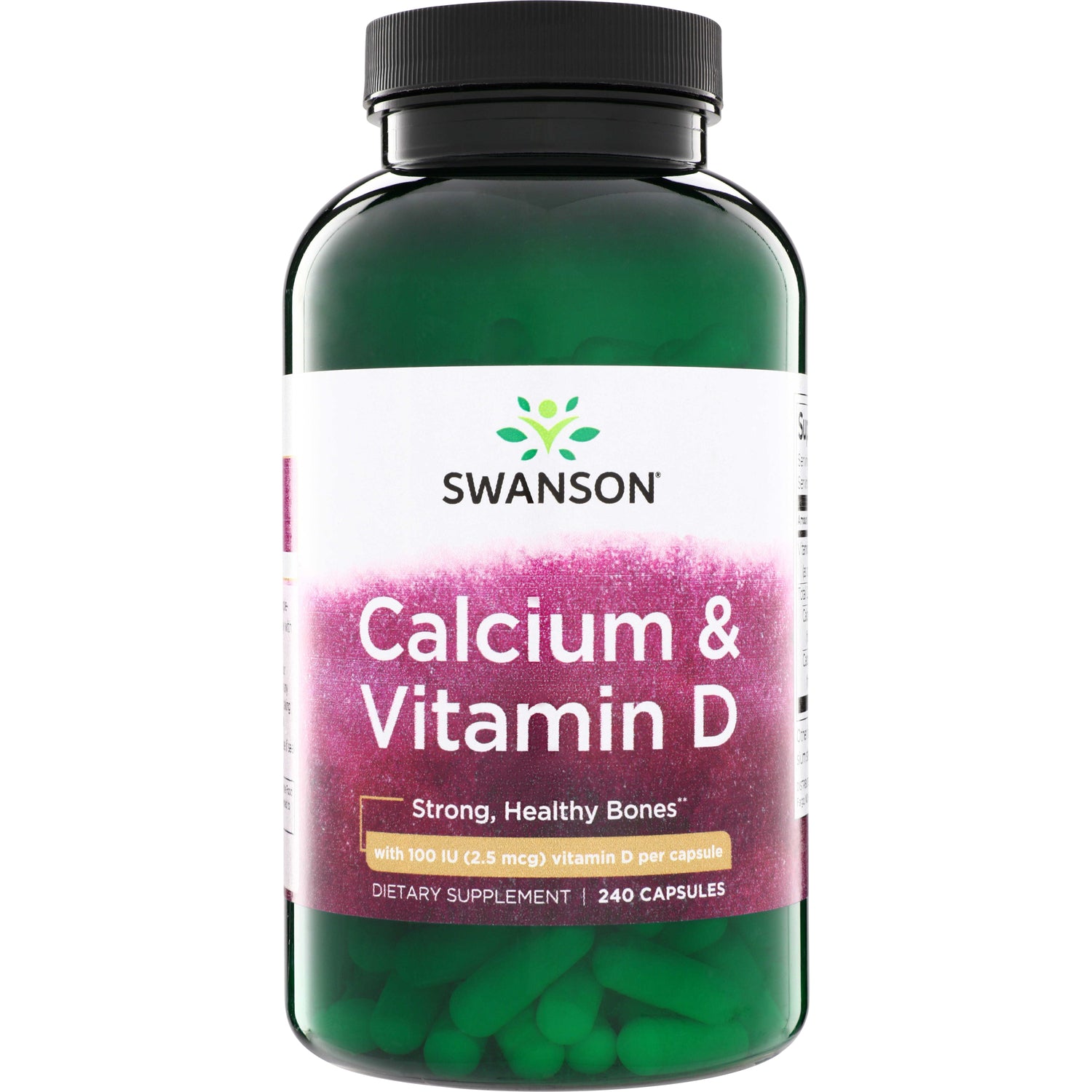
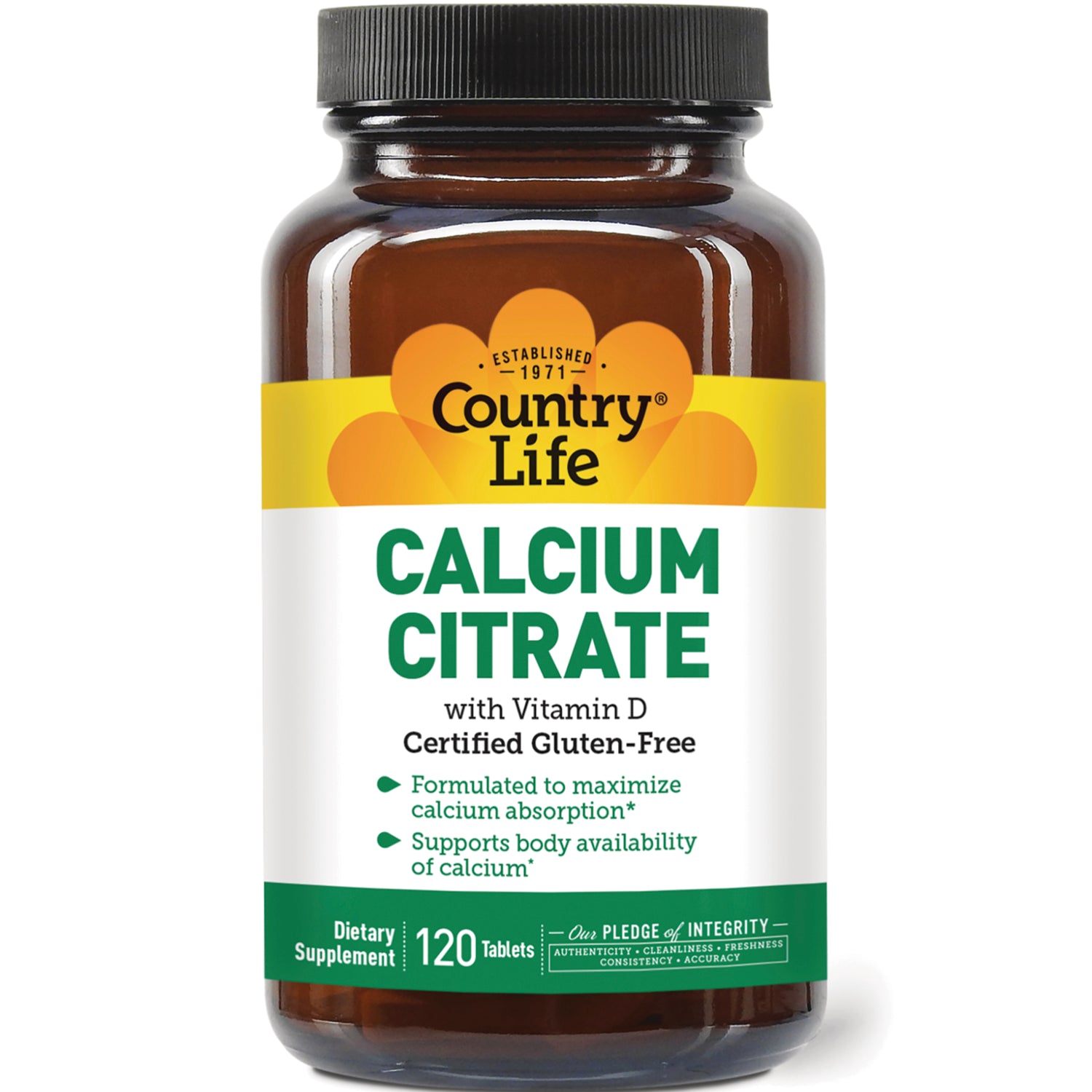
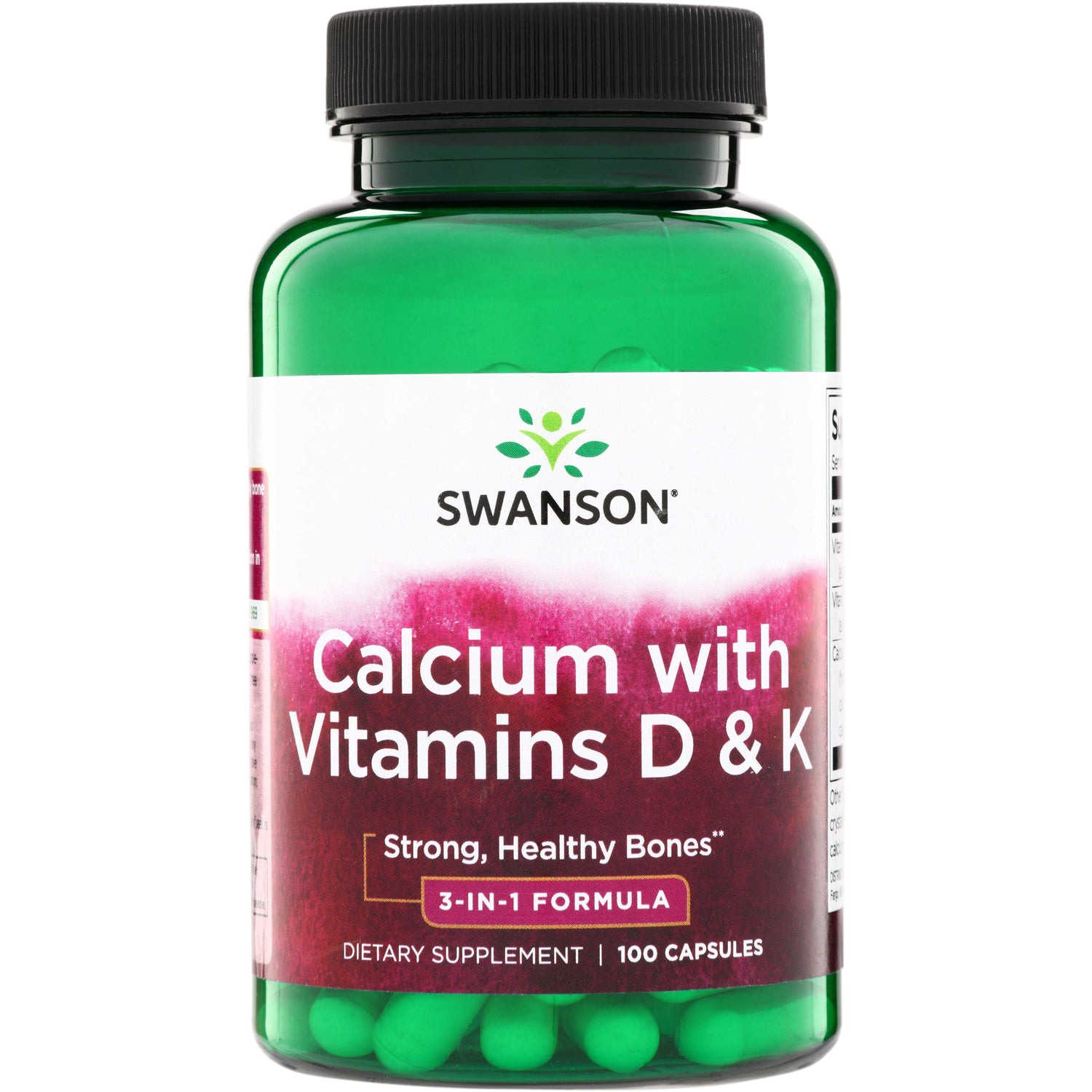
Because calcium and bone strength are health‑related topics, professional input is important, especially for seniors with existing conditions or multiple medications. Doctors may recommend bone density scans, blood tests, or referrals to dietitians to better understand an older adult’s situation before making nutrition or supplement suggestions. When supplements are considered, families can learn to read labels carefully, noting the amount of elemental calcium per serving, the type of compound used, and any other nutrients included, such as vitamin D or magnesium. It is also useful to check instructions about timing with meals, possible interactions with medications, and maximum recommended daily intake listed in national guidelines or on reputable health sites. All of this information should be viewed as general education; any plan for changing intake, exercise, or supplement use is best discussed with a healthcare professional familiar with the senior’s medical history.
Practical tips for families supporting older adults
For many households, the biggest challenge is translating nutrition and bone health advice into daily routines that feel manageable and respectful of the senior’s preferences. A gentle way to start is to ask older family members which foods they enjoy and which parts of their day feel most comfortable for including a small drink or snack, then build calcium‑containing options around those habits. Keeping a simple meal and activity log for a week can reveal patterns, such as long periods of sitting or very limited variety in foods, offering clues for gradual adjustments. Families can also explore community resources like senior centers, group exercise classes, or public health workshops that discuss bone health and aging in an accessible format. Throughout this process, it is important to remember that the information in this article is for general reference only and does not replace professional medical advice; any concerns about fractures, chronic illness, or supplement use should be addressed directly with qualified health providers.