Why these two nutrients are discussed together
Vitamin D and calcium are often mentioned in the same conversation because they are linked in everyday nutrition planning. Calcium is a major building block for bones, while vitamin D is commonly associated with the body’s ability to handle calcium efficiently. For many readers, the topic comes up when looking at multivitamins, bone-focused supplements, or meal plans for older adults and children. The practical question is not just what each nutrient does on its own, but why pairing them is so common in labels, advice columns, and clinic handouts.
The basic connection between them
The relationship is simple at a high level: calcium needs an appropriate environment to be used well, and vitamin D is part of that environment. When people eat calcium-rich foods or take calcium tablets, the body still has to absorb and distribute that mineral in a way that fits normal bone maintenance. Vitamin D is often included in the same routine because it is one of the best-known nutrients linked to calcium handling. That is why many fortified products, from breakfast milk to older-adult supplement formulas, combine both in a single serving.
Why one nutrient alone may not be the full story
A calcium-only approach can feel incomplete if the overall diet, indoor lifestyle, or age-related needs are not considered. Someone who rarely gets sunlight, eats irregular meals, or follows a restricted diet may think more calcium is always enough, but the broader nutritional picture matters. In real life, people compare labels, serving sizes, and daily routines rather than looking at one ingredient in isolation. That is also why some nutrition plans emphasize both food sources and supplement timing instead of focusing on a single pill or beverage.
Common situations where the pair appears
This combination is especially common in family nutrition, senior nutrition, and routine bone-care discussions. Parents may see it in products aimed at growth years, while older adults may notice it in formulas designed for daily support during lower activity periods. Office workers who spend much of the day indoors also encounter it in general wellness articles, since indoor routines can make vitamin D intake a separate concern from calcium intake. In all of these cases, the pairing reflects convenience as much as nutrition logic.
Food, sunlight, and supplements in one picture
Many people first think about milk, yogurt, cheese, tofu, fish, or fortified drinks when calcium is discussed. Vitamin D enters the picture through different food choices, fortified products, and sun exposure patterns, which makes the two nutrients feel related but not identical. That distinction matters because a person can have a diet that is rich in calcium yet still pay attention to vitamin D sources, or vice versa. Supplement labels often combine them because it reduces guesswork for users who want a straightforward routine.
Reading labels and choosing a routine
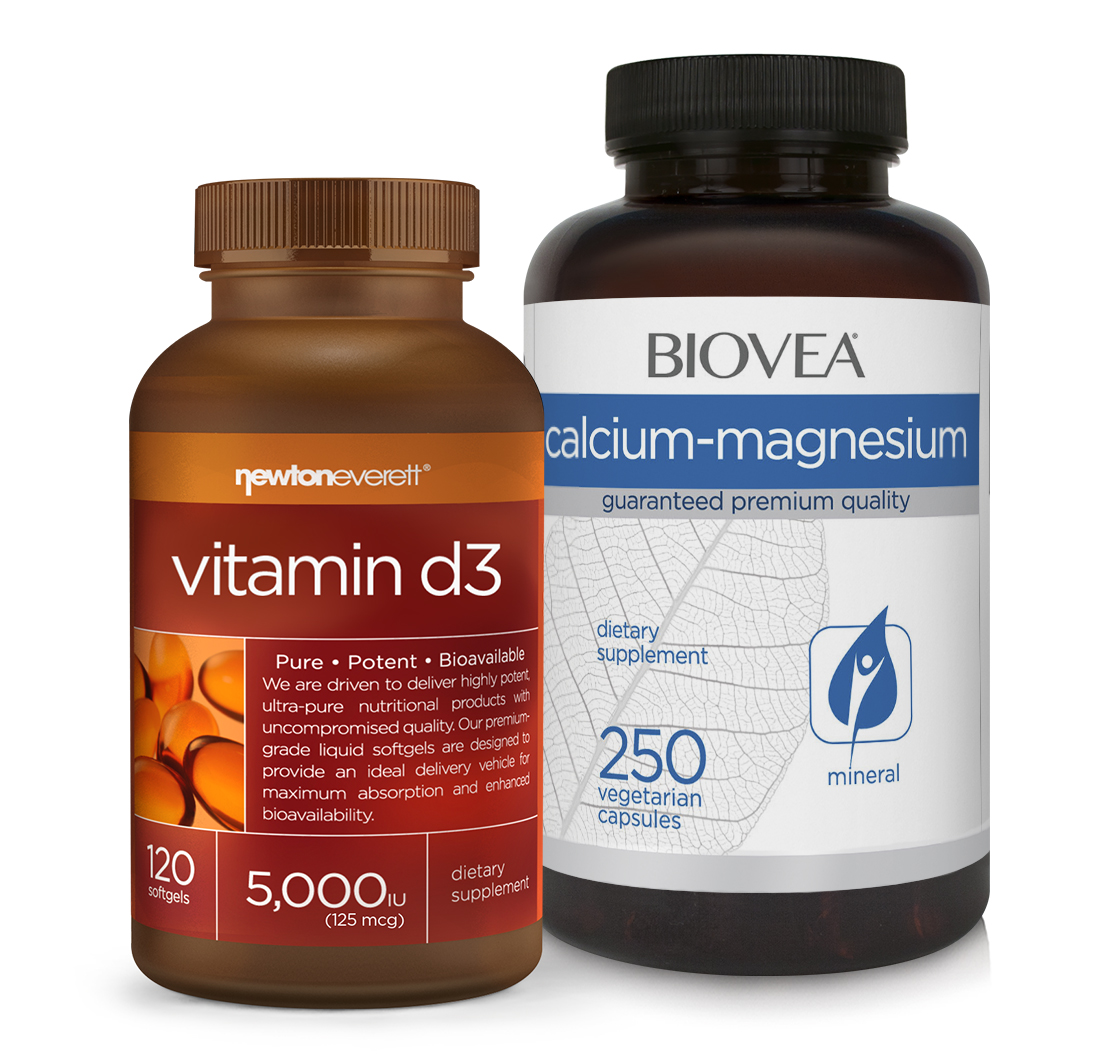
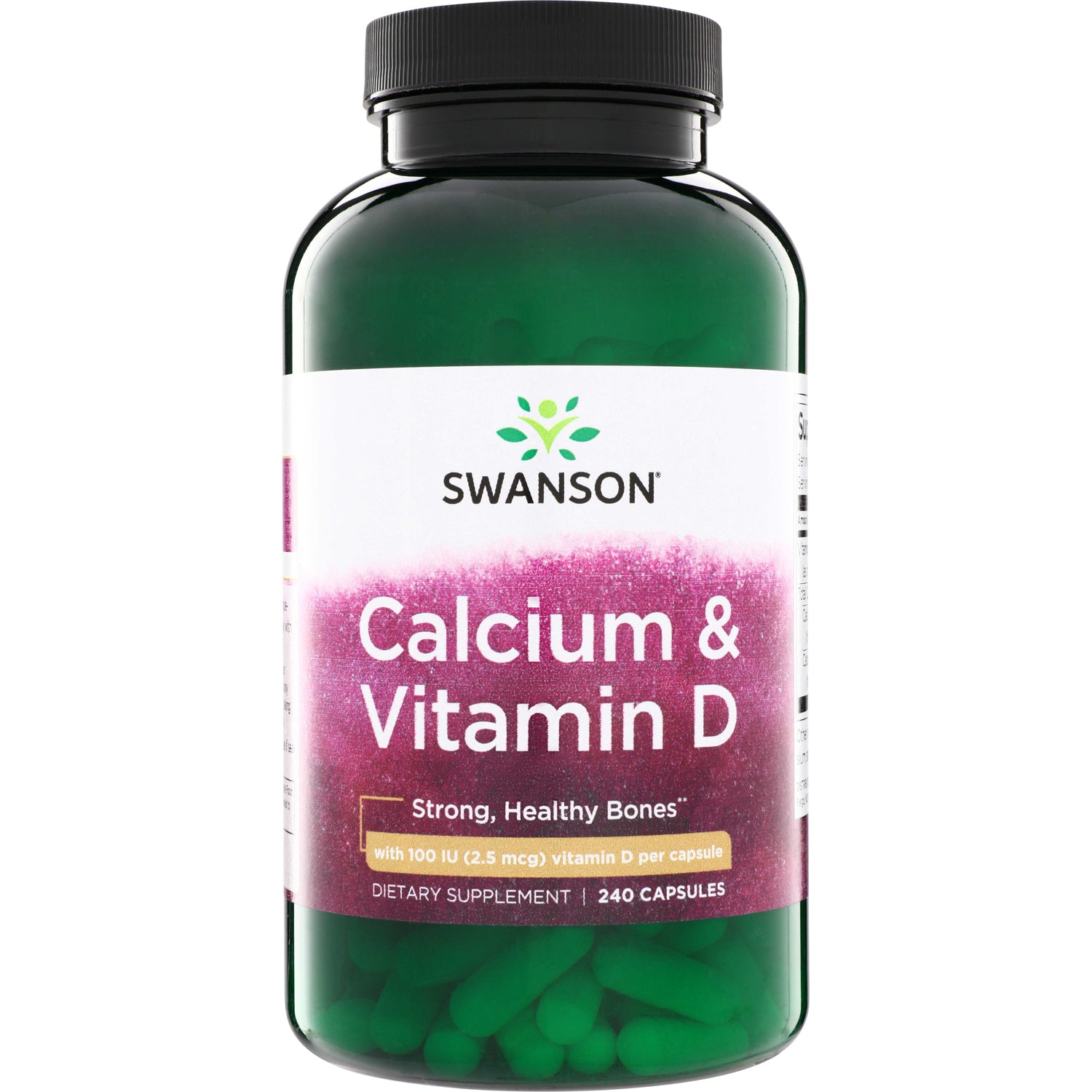
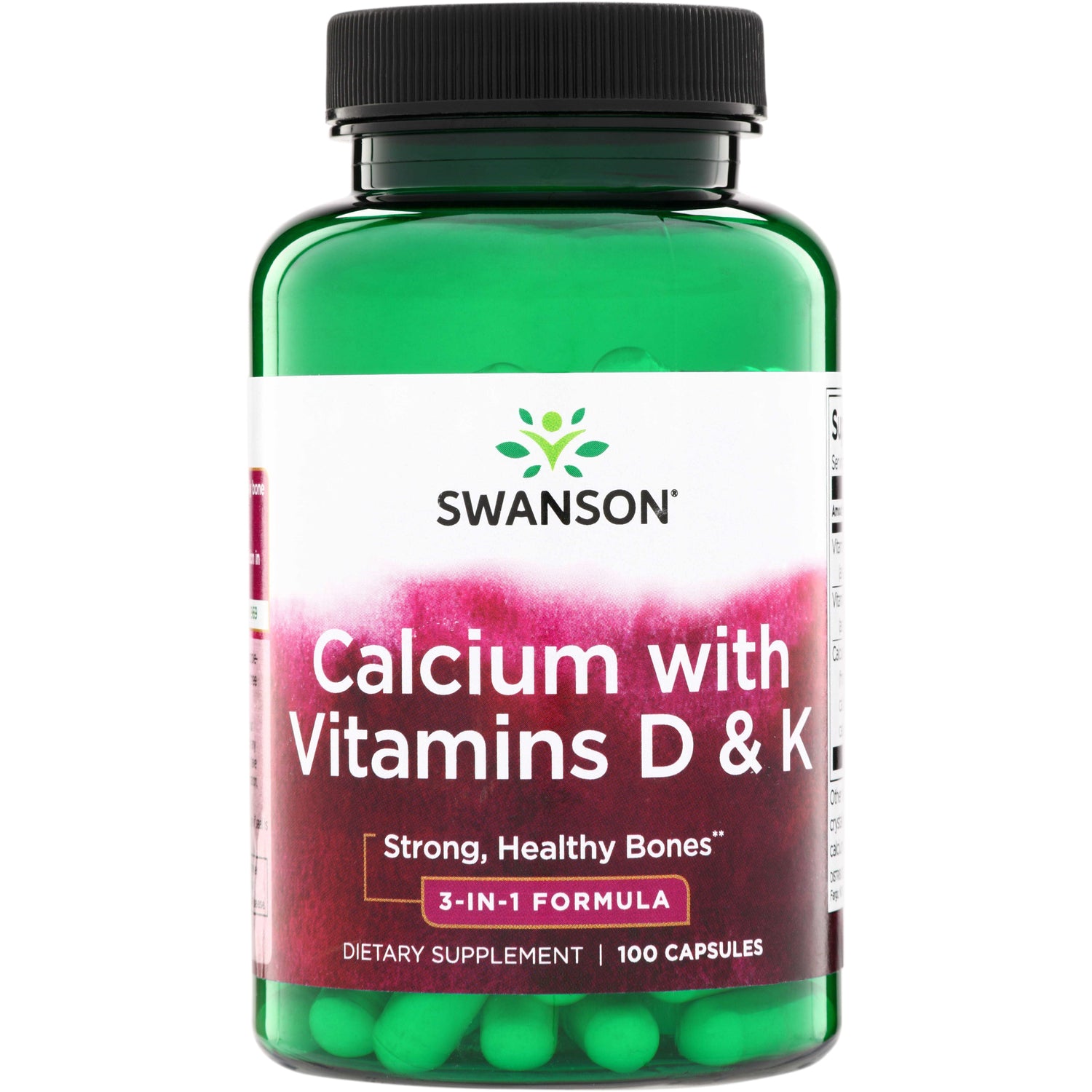
When looking at a supplement label, the most useful habit is to read the amounts, serving size, and intended audience. Some formulas are designed for daily convenience, while others are aimed at specific life stages or dietary gaps. Readers often compare whether the product is meant for general nutrition, family use, or older-adult routines rather than chasing a single nutrient number. For that reason, the question is not only whether vitamin D and calcium appear together, but whether the format fits the person’s eating habits and schedule.
A practical way to think about the pair
A good way to frame the topic is to treat vitamin D and calcium as a matched pair in many bone-care conversations, not as two identical ingredients. Calcium is usually the nutrient people notice first, while vitamin D is often the companion nutrient that appears in the background of the same plan. That framing helps explain why so many products and articles group them together. For readers comparing options, the most useful next step is to check diet, age group, lifestyle, and product labels side by side before deciding what fits best.