Numbness in the hands and feet is a common complaint among office workers, drivers, gamers and even homemakers who spend long hours in the same position. Many people only shake their hands or move their ankles a bit, then ignore the problem until the numbness appears more often or lasts longer. In reality, numb limbs can be related to circulation, peripheral nerves, posture, long-term metabolic issues or even serious conditions like stroke, and not every situation can be handled with simple massage. This article focuses on everyday circulation-oriented self‑care, helps readers understand possible causes in simple language, and reminds when it is safer to seek professional medical advice. All information is for general education only and does not replace personal consultation with a qualified physician.
Why hands and feet go numb: circulation and nerves
When hands or feet feel pins and needles, burning or loss of sensation, circulation and nerve signals are usually involved. Short‑term numbness after sitting cross‑legged, resting on an elbow or sleeping with a bent wrist is often due to local pressure that limits blood flow or compresses a nerve; once the pressure is removed, circulation returns and sensation gradually recovers. More persistent or frequent numbness, however, may be related to peripheral nerve problems, long‑standing blood vessel narrowing or chronic conditions such as diabetes, high blood pressure or abnormal blood lipids. In some cases, sudden numbness on one side of the body, especially with a drooping face or slurred speech, can be a sign of stroke and needs emergency care. Because the reasons are diverse, self‑care should always go together with basic awareness of warning signs.
Posture checks and micro‑breaks for better circulation
Daily posture strongly affects circulation in the limbs. Long periods of sitting with legs crossed, shoulders rounded or wrists bent can gradually compress vessels and nerves, making numbness appear earlier and linger longer. A simple rule is to avoid holding one fixed position for more than about 30 minutes whenever possible. Setting a timer to stand up, stretch the spine, gently roll the shoulders and move the ankles can keep blood moving more smoothly to the hands and feet. For desk work, adjusting chair height so knees are slightly lower than hips, placing both feet flat on the floor and keeping the keyboard close enough to avoid over‑reaching can ease strain on nerves in the neck, shoulders and wrists. Small changes in posture, repeated throughout the day, often make more difference than one intense workout.
Gentle movement: walking, ankle pumps and stretching
Moderate, consistent movement is one of the most circulation‑friendly habits for people troubled by numb limbs. Brisk walking is often recommended because it activates the calf muscles, which act like a pump to return blood from the legs back to the heart. A commonly used guideline is a pace where talking is still comfortable but singing would feel difficult, for around 20 minutes per session on most days of the week. On busy days, shorter walks spread out over the day can still be useful. For those tied to a chair, ankle pump exercises are very practical: sitting upright, alternately raising the heels and then the toes, holding each position for several seconds, can repeatedly squeeze and release the calf muscles and support local circulation. Simple stretching of the forearms, wrists, hamstrings and hips, done slowly and without bouncing, adds another layer of care for both blood flow and nerve pathways.
Supporting peripheral nerves through daily habits
Circulation self‑care is closely linked with the health of peripheral nerves, which carry signals to and from the limbs. Stable blood sugar, blood pressure and blood lipids are important because long‑term elevation can damage small vessels and nerve fibers, making numbness more persistent. Regular health check‑ups, especially for people with a family history of metabolic syndrome or cardiovascular disease, provide a chance to detect problems early and follow a tailored treatment plan. In everyday life, choosing meals based on whole grains, vegetables, nuts, seeds and adequate protein instead of heavily processed foods supports both vessels and nerves. Many discussions of nerve health mention B‑group vitamins, which are found in foods such as brown rice, oats, legumes and dark green vegetables, but individual needs differ and supplements should ideally be discussed with a healthcare professional. Smoking and heavy alcohol use, which are linked to poorer circulation and nerve damage, are also key lifestyle factors to reconsider.
When massage, heat and home tools are used carefully
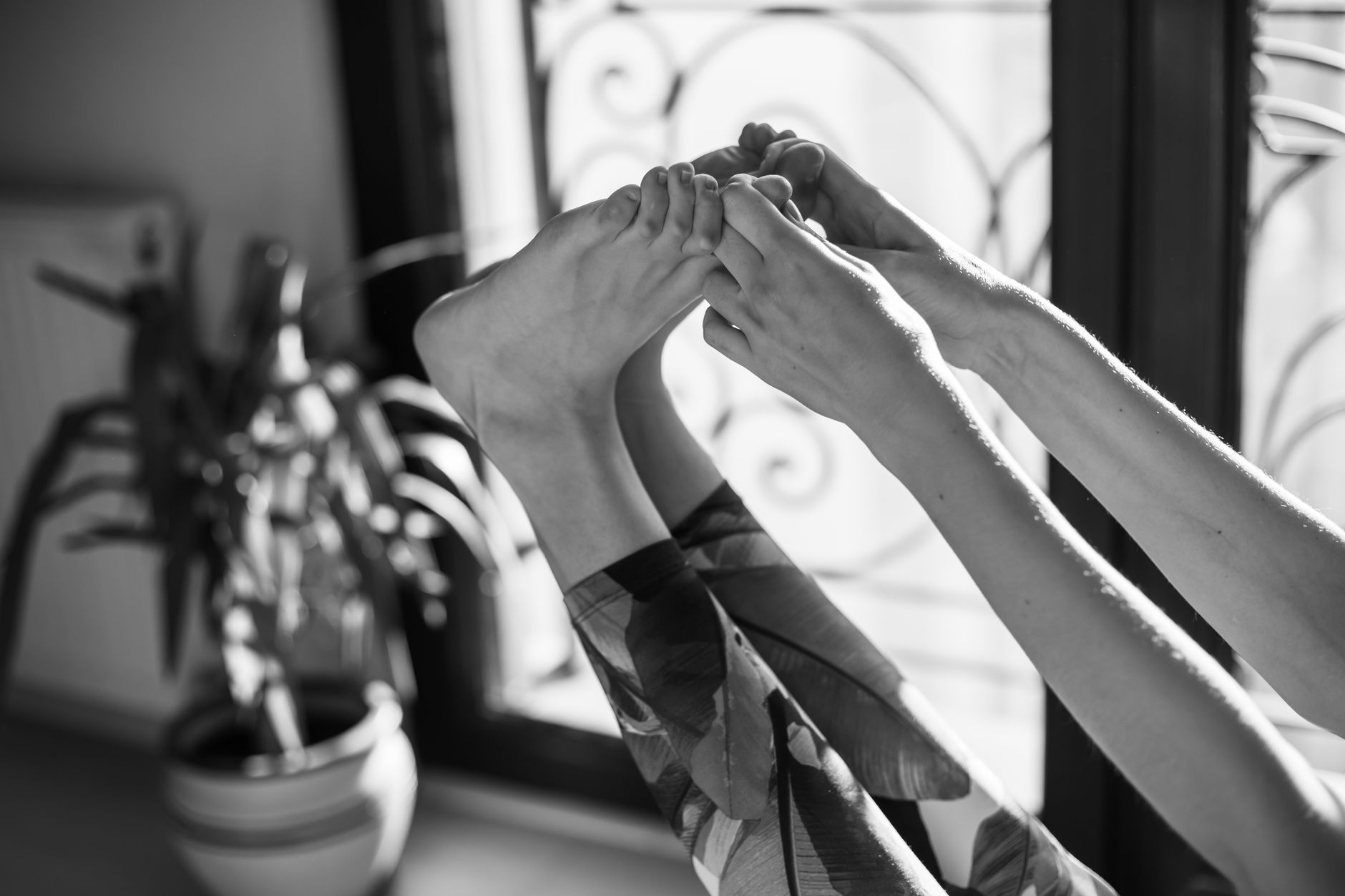
Because numb hands and feet feel uncomfortable, people often reach for massage devices, hot baths or acupressure tools in the hope of feeling more relaxed. Gentle, short massage around tense muscles may feel pleasant for those whose numbness is clearly related to posture or brief pressure, and mild warmth can create a sense of comfort. At the same time, strong pressure, very hot water or hard acupressure surfaces can be risky, especially for individuals who already have reduced sensation due to nerve problems or long‑standing diabetes. When feeling in the skin is dulled, it is harder to notice pain or early injury, and overly intense home treatments might lead to unnoticed burns or tissue damage. A conservative approach is to keep temperature moderate, avoid pain during massage, and stop immediately if numbness worsens, new weakness appears or any unusual discoloration of the skin is observed.
Red flags: when numbness needs medical attention
Not all numbness can or should be handled with self‑care alone, and recognizing red flags is an important part of responsible health management. Sudden numbness on one side of the body, especially if it comes with facial drooping, difficulty raising one arm or trouble speaking clearly, is an emergency scenario that requires calling local emergency services without delay. Gradually worsening numbness that spreads, numbness that is always present in the same area, or numbness combined with muscle weakness, clumsiness when holding objects, difficulty walking or severe pain also deserves prompt evaluation by a doctor. People with known diabetes, high blood pressure, heart disease or a strong family history of stroke may be at higher risk and are usually advised to discuss even mild but persistent numbness with their healthcare team. Any information in this article should be viewed as a general guide only; personal diagnosis and treatment decisions belong in the hands of qualified professionals.
Building a sustainable circulation‑friendly routine
Caring for numb hands and feet through circulation‑oriented habits is not about quick fixes, but about building a realistic routine that fits daily life. Readers often find it practical to choose two or three starting points, such as adding a 15‑minute walk after dinner, setting a reminder to stand and stretch every half hour during work, and checking chair and monitor height to protect posture. Over time, these small steps can be combined with broader health goals like maintaining a comfortable body weight, improving sleep schedule and learning basic stress‑management techniques such as deep breathing. The key is to observe how the body responds, adjust gradually and stay open to professional input when something feels unusual. With this mindset, circulation self‑care around numb limbs becomes part of an overall approach to long‑term well‑being rather than a one‑time remedy.