Many people feel knee discomfort after sitting for a long time, especially when standing up, going down stairs, or squatting again. This does not always mean a serious disease, but it often signals that the joints, muscles, and circulation around the knees are under more pressure than they can comfortably handle. For office workers, students, gamers, and professional drivers, understanding how to care for the knees in daily life can reduce this burden. The focus is not on quick fixes, but on adjusting posture, scheduling movement breaks, and strengthening key muscle groups over time. All advice in this article is for general education and does not replace consultation with medical or rehabilitation professionals.
Why long sitting stresses the knees
When a person sits for hours with the knees bent around ninety degrees, pressure is concentrated on specific areas of the knee joint and surrounding soft tissue. The cartilage on the back of the kneecap, ligaments, and tendons may be compressed in a relatively fixed angle, while blood circulation and joint fluid movement slow down. Many people notice that the first few steps after standing feel stiff or uncomfortable, then improve as they start walking and the joint begins to move again. This pattern often reflects temporary stiffness rather than structural damage, but repeated day after day, it can increase the overall load on the joint. People who sit cross-legged in a deep bend, or who sit on low chairs, may experience even more pressure due to the greater flexion angle.
Daily sitting habits: small changes with big impact
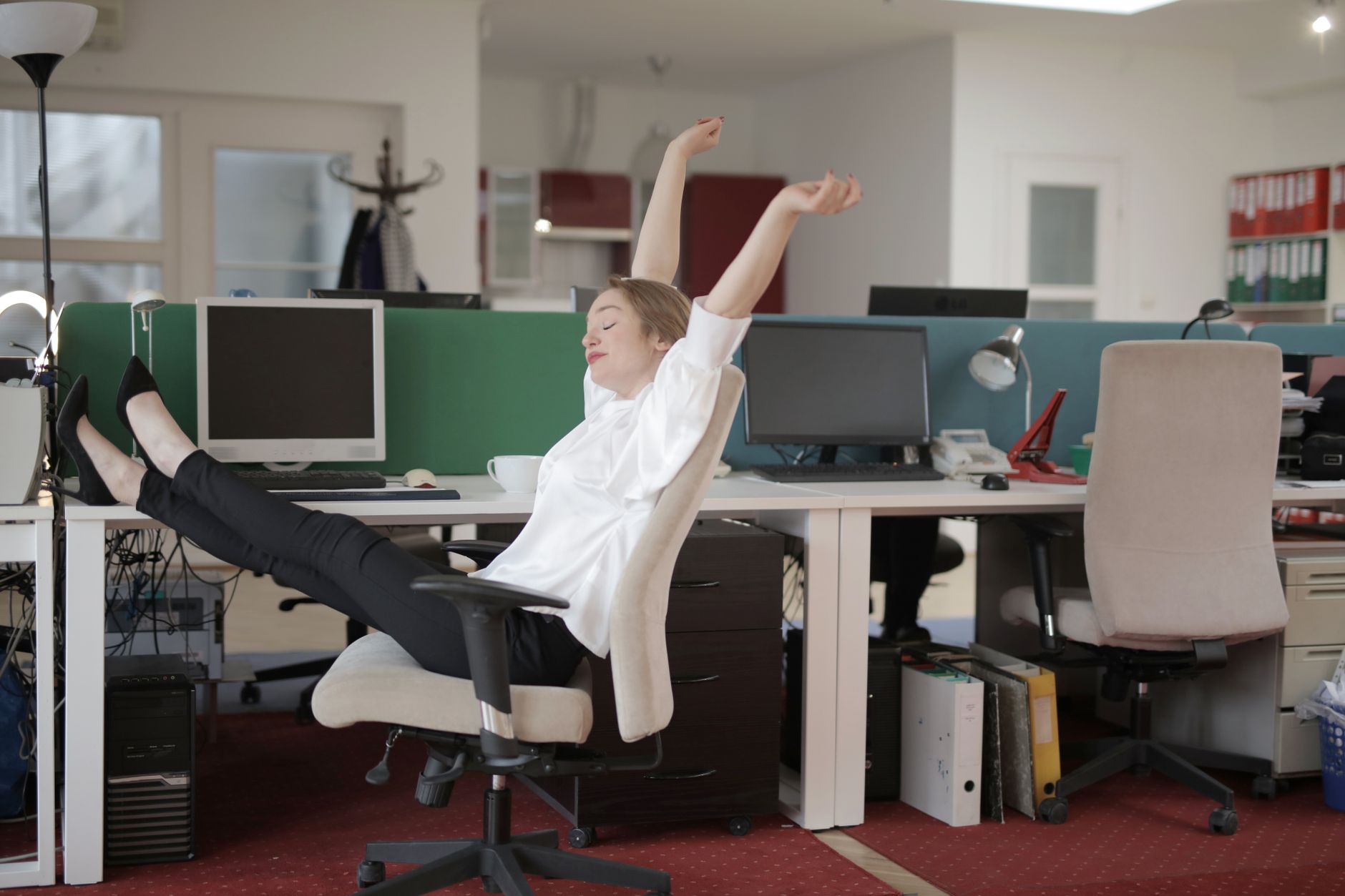
Adjusting sitting posture and daily habits is one of the most accessible ways to care for the knees. Choosing a chair that allows the knees to bend roughly ninety degrees with feet flat on the floor can avoid excessive flexion. If the chair is high, a footrest under the feet can reduce pressure behind the knees. Many office workers benefit from alternating between different positions during the day: for example, changing from a deep backrest slouch to an upright posture, then occasionally sliding forward to extend one leg. Setting a reminder to stand up every forty to sixty minutes, even just to take a few steps or gently straighten the knees, often reduces end-of-day stiffness. Crossing legs for long periods can twist the pelvis and knees, so it is better used as a short variation, not a default posture for hours.
Simple stretches after sitting
Gentle stretching exercises after long sitting can ease tightness around the knees and improve circulation. A simple option is a seated hamstring stretch: sit near the edge of a stable chair, straighten one leg with heel on the floor, and lean the torso slightly forward while keeping the back long until a stretch is felt along the back of the thigh. Holding this for fifteen to twenty seconds on each side and repeating a few times can reduce tension that often pulls on the knee. Another useful stretch targets the front of the thigh: standing and holding on to a wall or desk for balance, bend one knee and bring the heel toward the buttock, holding the ankle gently. Keeping the knees close together and the pelvis neutral helps direct the stretch to the front of the thigh rather than the lower back.
Strength training: building support around the knee
Beyond stretching, strength training for key muscles around the knee provides additional support to the joint. The quadriceps at the front of the thigh are particularly important, because they help control knee movement when standing up, walking down stairs, or getting out of a car. A straightforward exercise is the straight leg raise: lie on the back or sit reclined, straighten one leg, tighten the thigh muscles, and slowly lift the leg about fifteen to twenty degrees before lowering with control. People can start with ten repetitions on each side and gradually increase, as long as the movement does not provoke sharp pain. Wall sits and glute bridges are also common choices for building endurance in the thighs and hips, which share load with the knees during daily activities. If discomfort increases or lasts longer than expected, it is advisable to seek advice from a physical therapist or physician before continuing.
Choosing footwear and supports wisely
Shoes and supports also influence how the knees feel after long sitting and during walking. Footwear with appropriate cushioning and stable soles may reduce impact when standing up and taking the first steps, especially on hard floors. Very high heels or worn-out shoes can alter the alignment of the lower limbs, shifting stress to the front or inner part of the knee. Some people use elastic knee sleeves or braces during short periods of heavier activity, such as long walks or standing events, to feel more secure. However, wearing strong supports all day without professional guidance might encourage relying on the brace instead of engaging the surrounding muscles. When considering insoles, braces, or other devices, consultation with healthcare professionals helps match the choice to the individual’s joint condition and daily needs.
Self-check signs and when to seek help
A simple self-check can help people decide whether home care is enough or if it is time to talk with a professional. Situations that often prompt a medical visit include noticeable swelling, warmth, visible deformity, or inability to bear weight on the affected leg. Pain that wakes a person at night, or persists for weeks despite modifying activities and practicing gentle exercises, also deserves professional evaluation. On the other hand, mild discomfort that appears mainly after long sitting and eases with movement may be related more to stiffness and muscle imbalance. Even in mild cases, obtaining personalized guidance from a physical therapist or sports medicine specialist can clarify which exercises are suitable and how often to perform them. All suggestions in this article are for reference only and should be adapted with professional input when there is any doubt.
Building a sustainable routine for knee comfort
For people with a sedentary lifestyle, knee care is most effective when woven into daily routines instead of treated as an occasional project. Some adopt a simple pattern: every hour, stand and walk for a minute; twice a day, perform a short sequence of stretches; two or three times per week, schedule strength training for the thighs, hips, and core. Others prefer linking movement to daily cues: stretching while waiting for coffee to brew, or doing straight leg raises while watching a show. Over time, these small, consistent actions can make the knees feel more prepared for standing, climbing stairs, or weekend activities. Because each person’s joint condition and health history are different, any new program is best discussed with a healthcare professional. This way, daily care stays safe, realistic, and aligned with long-term joint health rather than quick but unsustainable changes.