Many people describe themselves as having a "puffy" body type, noticing tight socks marks, swollen ankles after long flights, or a rounder face after a salty dinner. Instead of treating this as a mysterious trait, it helps to understand how fluid balance, sodium, hormones, and daily habits interact. This article focuses on everyday edema in otherwise generally healthy adults, and explores how diet choices and simple self-care routines may influence how heavy or light the body feels. Any sudden, severe, or persistent swelling can signal an underlying condition, so the ideas here are for general education only and cannot replace professional medical advice.
Understanding everyday edema and when to be cautious
Edema simply means excess fluid in body tissues, most commonly seen around the ankles, feet, fingers, or under the eyes. In many office workers, long hours of sitting, high-salt takeout meals, and irregular sleep make mild swelling more noticeable at the end of the day. For some women, hormonal shifts around the menstrual cycle also change fluid distribution, so rings feel tighter or shoes feel snugger. At the same time, persistent or one-sided swelling, shortness of breath, chest discomfort, or rapid weight gain over a few days can be warning signs that go beyond lifestyle issues. In those situations, healthcare guidelines emphasize prompt medical evaluation rather than relying on self-care alone. Readers are encouraged to treat the following suggestions as supportive lifestyle ideas, not as diagnosis or treatment.
Adjusting sodium intake without losing food enjoyment
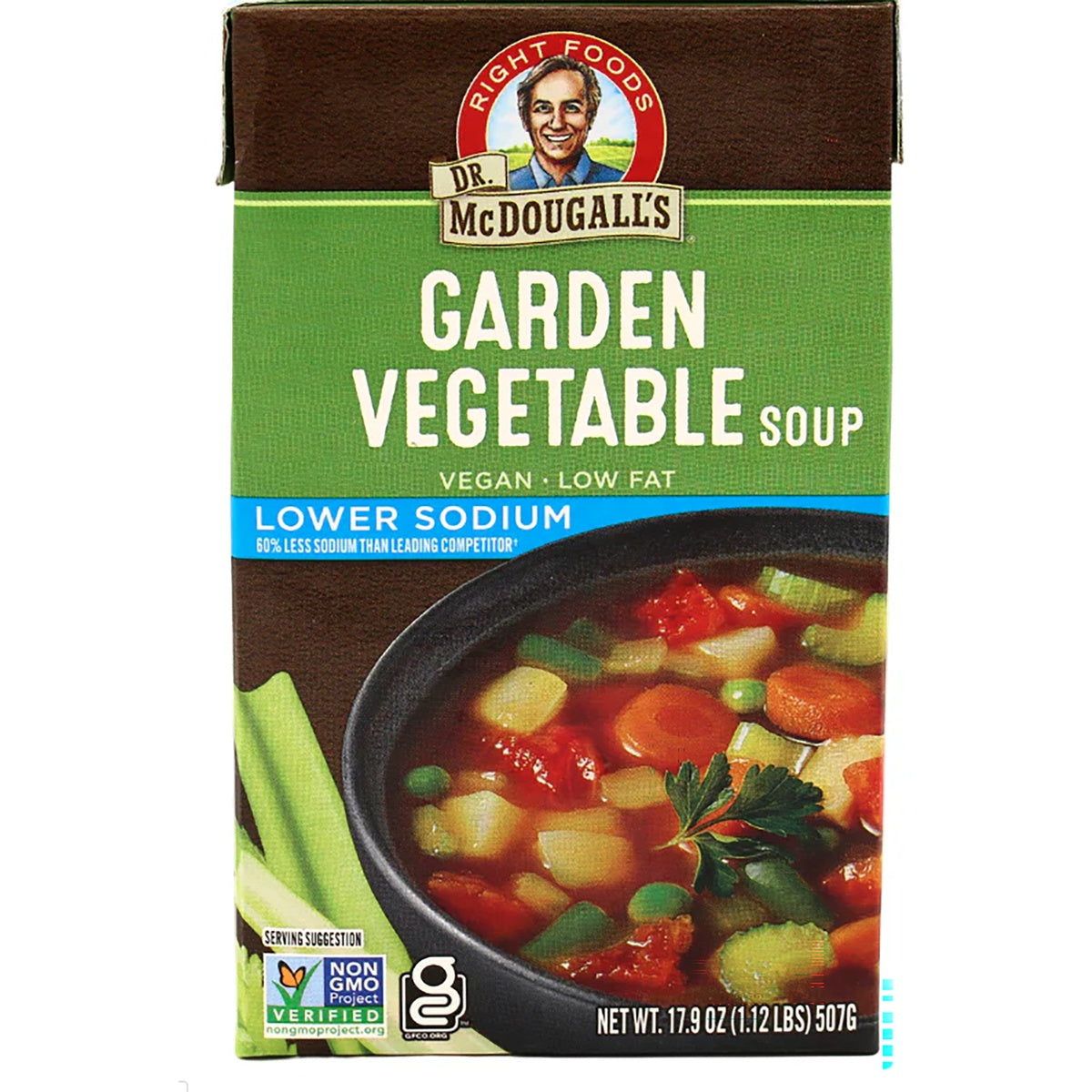
For people prone to edema, a low-sodium diet does not mean eating plain, flavorless food. The practical goal is to reduce the total amount of salt and salty condiments across the day, especially in packaged snacks, instant noodles, cured meats, sauces, and restaurant dishes. One realistic strategy is to choose "half-soup" noodle dishes, ask for sauces on the side, and taste food before automatically adding soy sauce or salt. Home cooks in Western countries can gradually replace part of the salt with herbs, citrus, garlic, pepper, and vinegar so meals still taste satisfying. When eating out with friends, it can be helpful to balance a salty main dish with extra vegetables and water during and after the meal instead of simply skipping fluids, which may make the body hold onto water even more.
Choosing high-potassium foods safely and smartly
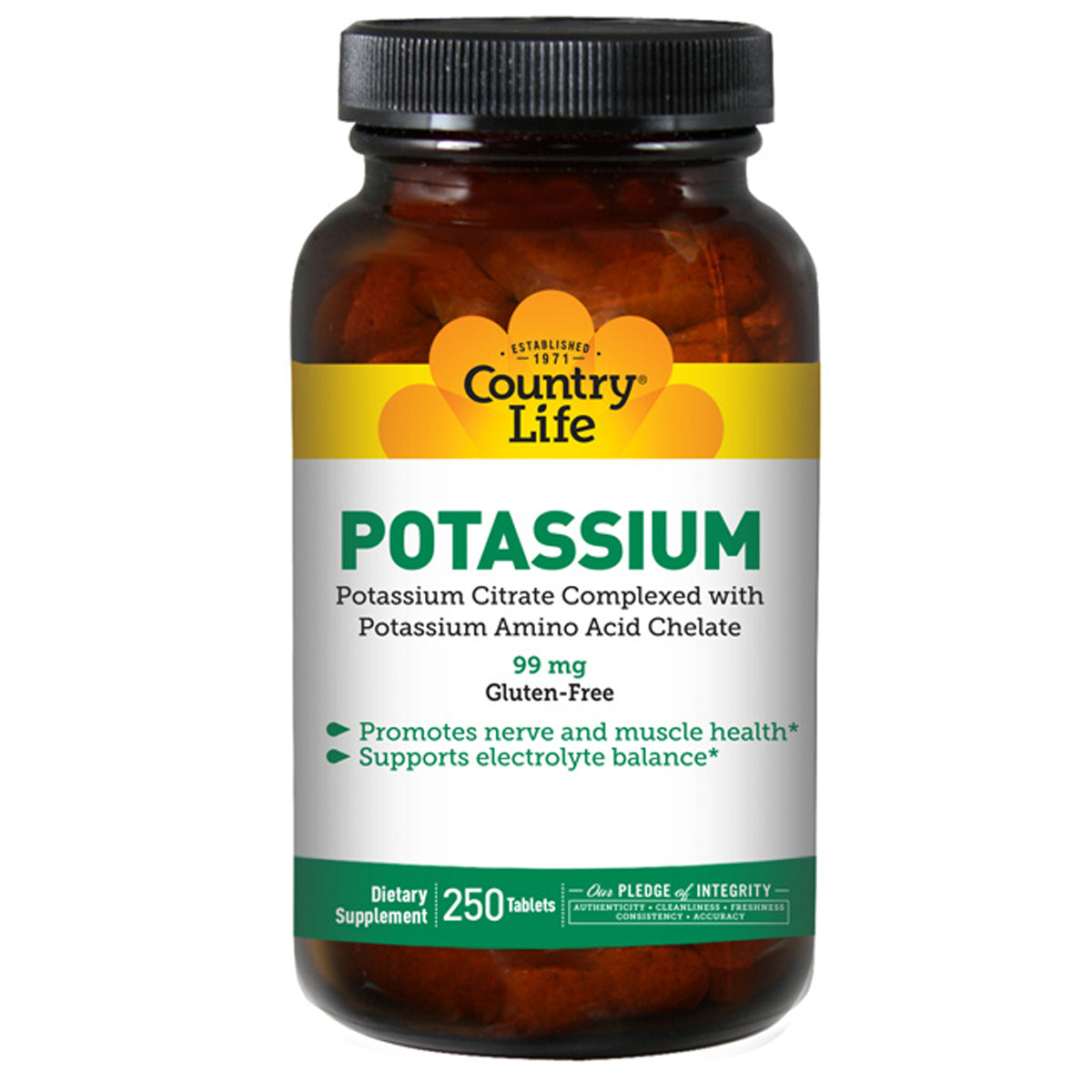
Potassium is often mentioned alongside edema because it works in the opposite direction of sodium in fluid balance. A pattern that emphasizes high-potassium foods from whole, minimally processed ingredients often goes hand in hand with lower sodium. Everyday examples in Western diets include baked potatoes with skin, bananas, oranges, kiwifruit, tomatoes, leafy greens, beans, lentils, yogurt, and nuts. Building meals around these foods often means less room for heavily salted items. However, people with kidney disease or those taking certain medications may need to limit potassium, so they should only change potassium intake under medical guidance. Instead of chasing a single "miracle" ingredient, it is more sustainable to fill half the plate with vegetables and fruit, include a moderate portion of protein, and choose whole grains over refined starches.
Hydration habits: not too little, not all at once
Some individuals who notice swelling become afraid of drinking water, assuming that less fluid automatically means less puffiness. In reality, very low intake over the day can make urine darker and more concentrated, which is generally not ideal for fluid balance. Many dietitians suggest spreading water intake from morning to evening, sipping regularly instead of gulping large volumes at once. A simple habit is to start the day with a glass of water, keep a bottle at the desk, and pause for a few sips every hour during work. Unsweetened tea or herbal infusions can be part of total fluids, but highly sweetened sodas and energy drinks add sugar and sometimes sodium without supporting overall health. For those who exercise or work in hot environments, fluid needs may be higher, and urine color, thirst, and professional advice can help guide appropriate amounts.
Meal structure, protein, and carbohydrate quality
Beyond salt and water, the structure of meals can influence how the body handles fluids. Extremely unbalanced diets that are very low in protein may affect overall nutritional status, so many nutrition professionals encourage including a palm-sized portion of protein at most main meals. Options include fish, poultry, eggs, tofu, beans, Greek yogurt, or lean meats, depending on cultural preferences and personal beliefs. The quality of carbohydrates also matters: large portions of refined bread, pastries, and sugary drinks can displace vegetables and whole grains, making meals dense in calories but poor in fiber and micronutrients. In contrast, pairing whole grains such as oats, brown rice, or whole-wheat pasta with vegetables and a source of healthy fat usually leads to a more stable feeling of energy and fullness, which may indirectly influence late-night snacking on salty foods.
Everyday habits: posture, movement, and leg care
Diet is only part of the picture for people who notice leg edema after long days. Sitting or standing still for many hours makes it harder for blood and lymph to move back up from the feet, so fluid tends to pool around the ankles. Simple micro-breaks, such as standing up every hour, walking to refill a water bottle, or doing calf raises at the desk, keep the calf muscles working as a natural pump. After work, elevating the legs on a cushion so that the feet are slightly above heart level for a short period may make the lower limbs feel lighter. Some people also find that comfortable compression socks, chosen with professional guidance, make long flights or shifts on their feet more tolerable. Very tight waistbands or restrictive shoes, however, can make swelling feel worse by constricting circulation.
Gentle self-care: massage, sleep, and realistic expectations
A calm evening routine can complement dietary changes in managing a tendency toward puffiness. Light self-massage from the ankles toward the knees or from the jawline toward the collarbones can feel relaxing and encourage awareness of the body, but pressure should remain gentle, especially for those with fragile skin or health conditions. Soaking the feet in comfortably warm water, followed by massage and leg elevation, is a common ritual for people who stand all day in service or retail jobs. Adequate, regular sleep also plays a role, because chronic sleep deprivation may affect hormones related to appetite, salt handling, and general circulation. Above all, it is important to maintain realistic expectations: body shape, genetics, and hormones all influence how "puffy" a person looks. Lifestyle changes are gradual tools for supporting overall well-being, not quick fixes. For ongoing or worrying swelling, discussion with a doctor or registered dietitian is strongly recommended, and all information in this article is intended for general reference only.