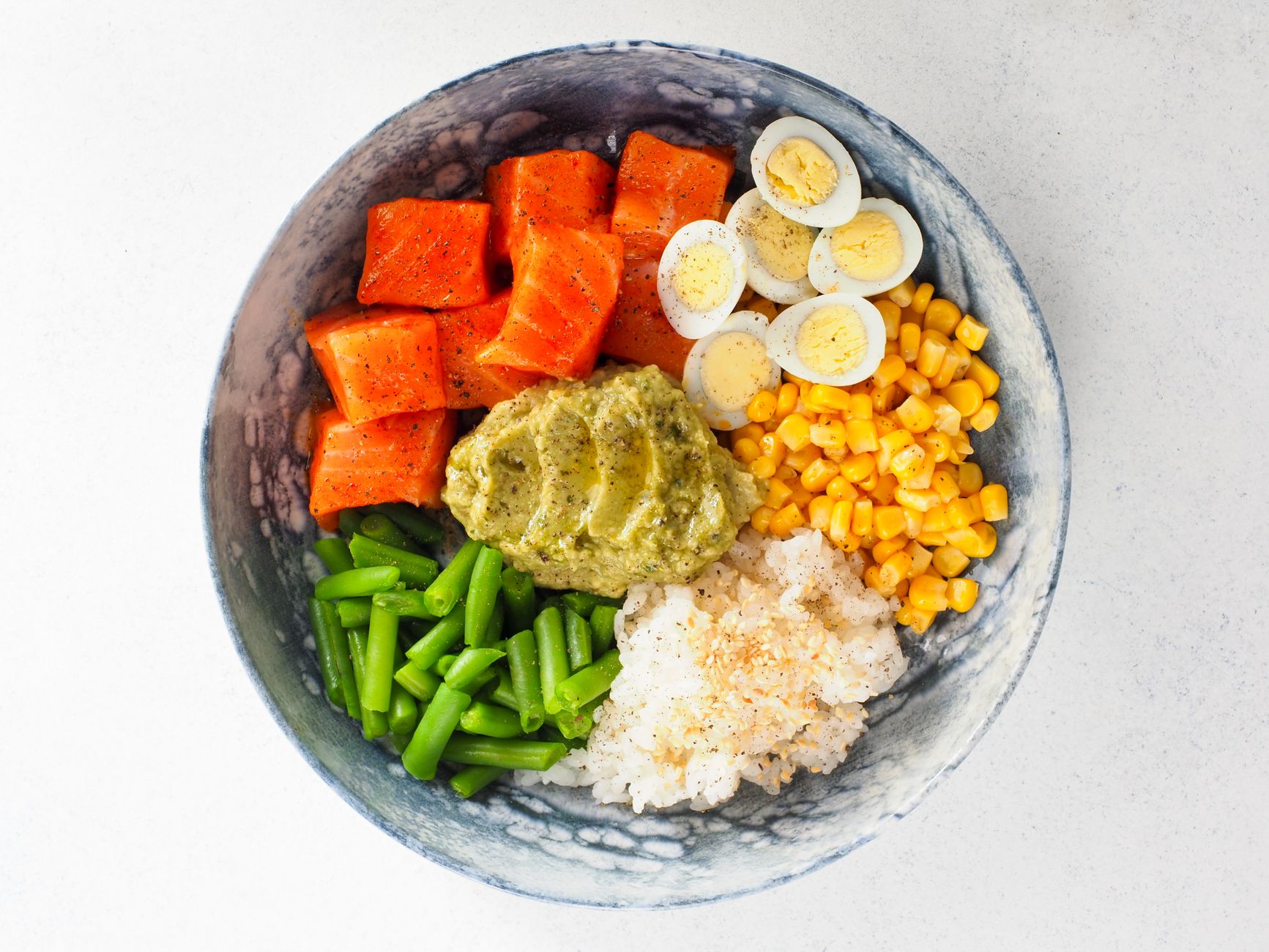
Digestive discomfort such as bloating, nausea or a heavy feeling after meals is very common, especially among office workers who eat in a rush or rely on takeout. Instead of only looking for quick fixes, many people find it more sustainable to adjust what, when and how they eat. A gentle, structured approach to food can ease the burden on a sensitive stomach and support more comfortable digestion over time. This article focuses on practical diet directions, not medical treatment, and is for general information only; anyone with persistent or severe symptoms is encouraged to seek advice from a healthcare professional.
Start with easy‑to‑digest, low‑fat basics
When the stomach or intestines feel irritated, the first step is often to simplify food choices and reduce digestive workload. Many clinicians recommend soft, low‑fiber, low‑fat staples such as white rice, congee, plain toast, bananas or applesauce during acute discomfort, because these foods tend to leave less residue in the gut and move through more smoothly. Heavy cream sauces, deep‑fried dishes and very chewy cuts of meat can sit in the stomach for longer, which some people notice as prolonged fullness or gas. Choosing lean protein like tofu, white fish, poached chicken or scrambled eggs cooked with minimal oil is a common way to keep meals gentle while still providing enough nutrients for daily activities.
Adjust fiber intake based on symptoms
Fiber often has a good reputation, but the ideal amount and type can vary when the gut is upset. For diarrhea or acute inflammation, many dietitians suggest temporarily lowering insoluble fiber from foods such as raw salad greens, cabbage cores or large amounts of bran, because these can mechanically irritate the gut lining and speed up transit. In contrast, people who mainly struggle with sluggish bowels may benefit from gradually adding more fiber and fluids, for example cooked vegetables, oats, chia seeds or fruit with soft skins. Soluble fiber from foods like peeled apples, oats and root vegetables forms a gel‑like texture that can be gentler while still supporting stool formation. The key direction is to observe current bowel patterns and adjust fiber slowly, rather than making drastic changes overnight.
Limit common irritants: fat, spice, acidity and alcohol
Certain components in food and drinks tend to trigger discomfort for sensitive stomachs, even in small portions. High‑fat dishes, especially fried foods, rich desserts, processed meats and very cheesy meals, generally take longer to empty from the stomach and may increase bloating or reflux in some individuals. Strong spices, chili peppers, heavily seasoned hotpot or very sour foods can sting an already irritated lining and may be worth limiting during flare‑ups. Coffee, strong tea and caffeinated sodas can stimulate acid production or bowel movements, which some people experience as cramping or urgency. Alcohol is another frequent irritant and can stress both the stomach and liver, so keeping intake minimal or avoiding it during periods of discomfort is often a practical direction for self‑care.
Rethink eating habits: timing, pace and portion size
Diet adjustment is not only about the menu; eating patterns play a major role in how the digestive system feels. Large, irregular meals that swing between “very hungry” and “overfull” can put extra strain on the stomach and intestines. Many gastroenterology clinics recommend smaller, more frequent meals, such as three moderate meals and one or two light snacks, to keep volume manageable at any one time. Taking at least 15–20 minutes to finish a meal, chewing thoroughly and avoiding distractions like constant phone use can make a noticeable difference because saliva starts the digestive process in the mouth. Some specialists also suggest separating large amounts of liquids from meals so gastric juices are not diluted too much, for example sipping water between meals instead of downing multiple cups while eating.
Match foods to different patterns: bloating, diarrhea and constipation
Digestive discomfort does not look the same for everyone, so diet directions need to be matched to the main pattern of symptoms. For people prone to gas and bloating, reducing carbonated drinks, large servings of cruciferous vegetables at one time and sudden increases in high‑fiber grains may lessen the sense of pressure. During short‑term diarrhea, many individuals choose bland foods such as plain rice, boiled potatoes, peeled apples or bananas, while avoiding very sweet, oily or spicy dishes that may aggravate the situation. When constipation is the main concern, a gradual increase in fluids, cooked vegetables, whole grains and fruit, combined with regular physical activity, can keep stool texture softer and easier to pass. Because underlying causes can vary from irritable bowel patterns to medication effects, ongoing or severe problems should be assessed by a physician or registered dietitian.
Consider gut microbiota and fermented foods
In recent years, interest has grown around the gut microbiota, the community of microorganisms in the intestines, and how everyday food choices interact with it. Fermented foods such as yogurt, kefir, kimchi, miso or natto contain live cultures or have traditionally been used in many cuisines as part of a balanced meal. Some people with sensitive digestion also explore products containing probiotics and prebiotic fibers like inulin or certain oligosaccharides to support a more diverse microbial environment. However, responses are individual; for example, large amounts of certain fermentable fibers may increase gas for those with irritable bowel tendencies. A cautious approach, introducing one new food at a time and monitoring tolerance, is often more practical than adopting many new items at once. For anyone on immune‑suppressing treatments or with complex conditions, professional guidance is especially important before making major changes.
Eating out and daily routines with a sensitive stomach
Many people with digestive discomfort still need to eat on the go, attend social gatherings or rely on restaurant meals, so realistic strategies matter. When ordering out, choosing steamed, grilled or boiled options over deep‑fried ones, asking for sauces on the side and prioritizing plain rice or potatoes instead of heavy cream pastas can keep meals closer to a gentle pattern. It may also help to avoid arriving at a restaurant extremely hungry, as this often leads to overeating quickly. Beyond food choices, daily routines such as walking lightly after meals, waiting some time before lying down, managing stress and aiming for consistent sleep can all influence how the gut feels. This article is intended only as general educational information; anyone noticing weight loss, blood in stool, severe pain or symptoms that persist despite reasonable self‑care is strongly advised to consult a healthcare professional for personalised assessment.