Why oily skin and breakouts often show up together
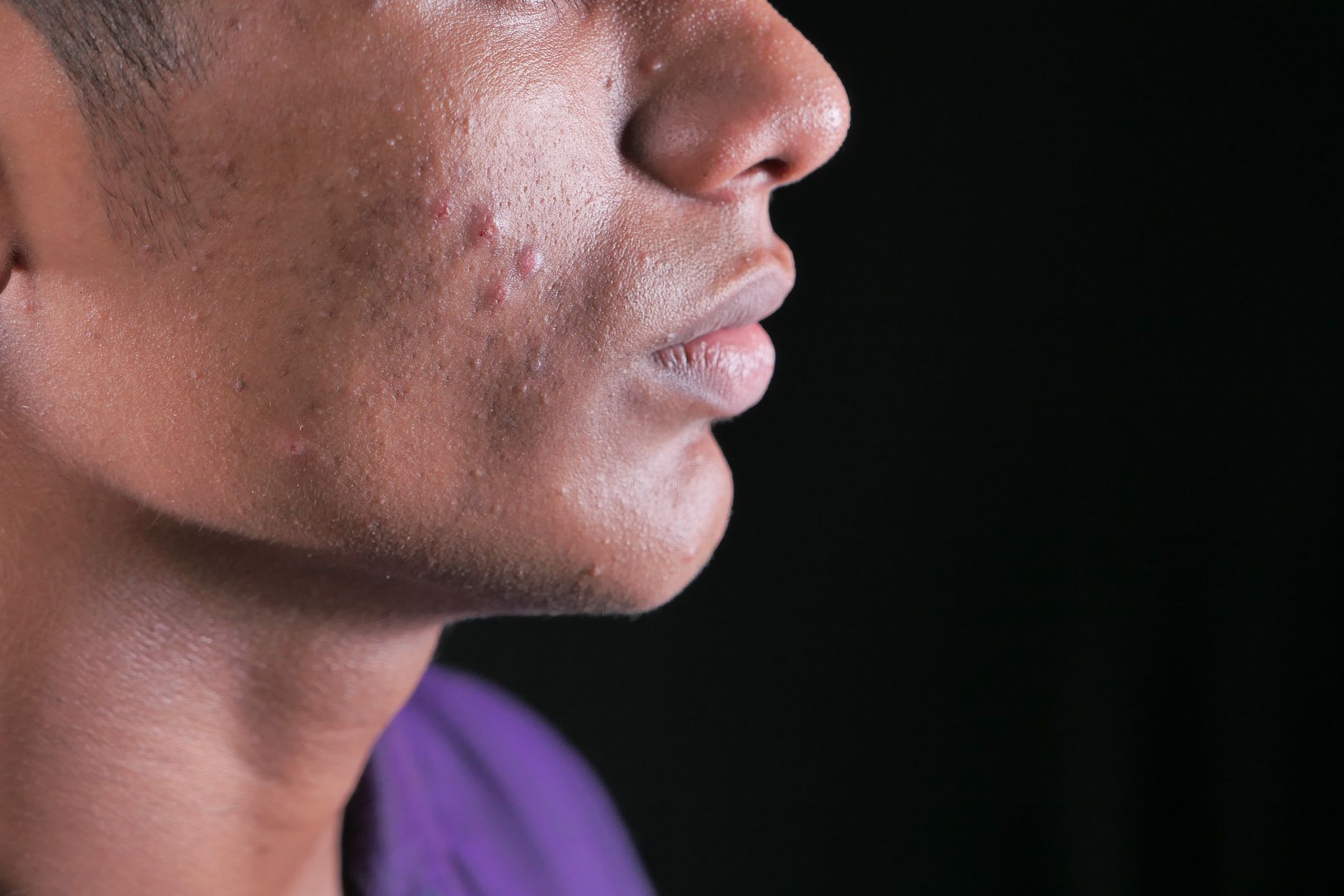
Oily, acne-prone skin is usually shaped by a mix of sebum, clogged pores, daily habits, and food patterns. People often notice that breakouts cluster during stressful weeks, late nights, or periods of heavy eating out, which is why a routine matters as much as individual products.
The goal is not to "strip" the skin or follow a rigid food ban list. A more practical approach is to reduce the conditions that make pores feel crowded, while keeping the skin barrier comfortable enough to handle normal cleansing and treatment.
What to eat more often
A balanced plate is usually easier to sustain than a strict acne diet. Meals with enough protein, vegetables, and slower-digesting carbohydrates can fit well into office lunches, school meals, or busy days when convenience food is hard to avoid.
Many people also look for meals that feel lighter after eating, such as grilled fish with vegetables, tofu bowls, soy milk breakfasts, or simple home-style lunches. The broader idea is to keep food patterns steady rather than swinging between fasting and high-sugar snacks.
- Include vegetables in most meals.
- Choose protein-rich main dishes.
- Pick lower-sugar drinks more often.
- Keep late-night snacking occasional.
Foods that are worth watching
Certain eating patterns come up often in discussions about breakouts, especially high-sugar desserts, sugary drinks, frequent fried foods, and large amounts of refined carbs. Some people also notice a personal pattern with milk, whey-based drinks, or heavy dairy intake, though responses vary.
Instead of treating every food as a trigger, it is more useful to observe timing. If flare-ups tend to follow convenience-store desserts, bubble tea runs, or greasy late dinners, a short food diary can make the pattern easier to see without turning meals into a source of stress.
Daily skincare that supports an oily routine
Cleansing works best when it is consistent and gentle. Using a mild face wash, avoiding overly hot water, and washing after heavy sweating can help the skin feel cleaner without leaving it tight and uncomfortable.
Many oily-skin routines also do better with lightweight hydration. When the skin is overly stripped, some people reach for more products later in the day, which can create a greasy feeling and make routines harder to maintain. Simple, repeatable steps usually work better than layering too many formulas.
- Use a gentle cleanser.
- Keep water temperature moderate.
- Choose lightweight moisturizer textures.
- Avoid frequent scrubbing.
Lifestyle habits that affect the skin
Sleep, stress, and long stretches of sitting indoors can all shape how the skin looks day to day. Late nights before deadlines, exam periods, and irregular meals often show up as the kind of background pattern that makes skin care feel less stable.
A realistic routine focuses on regularity: sleeping at roughly consistent times, changing pillowcases often enough, and keeping face-touching habits in check. These habits do not need to be perfect to be useful; even small improvements can make a daily routine feel more manageable.
When to get professional advice
If breakouts are painful, widespread, or leaving marks that are hard to manage, a dermatologist or licensed clinician can help assess whether the issue is mainly skin care related or whether a different plan is needed. This is especially important when over-the-counter routines are becoming too irritating.
For everyday readers, the most workable strategy is usually to simplify first: eat in a steadier way, cleanse gently, and track which habits seem to coincide with flare-ups. This article is for general reference only and does not replace professional medical advice.