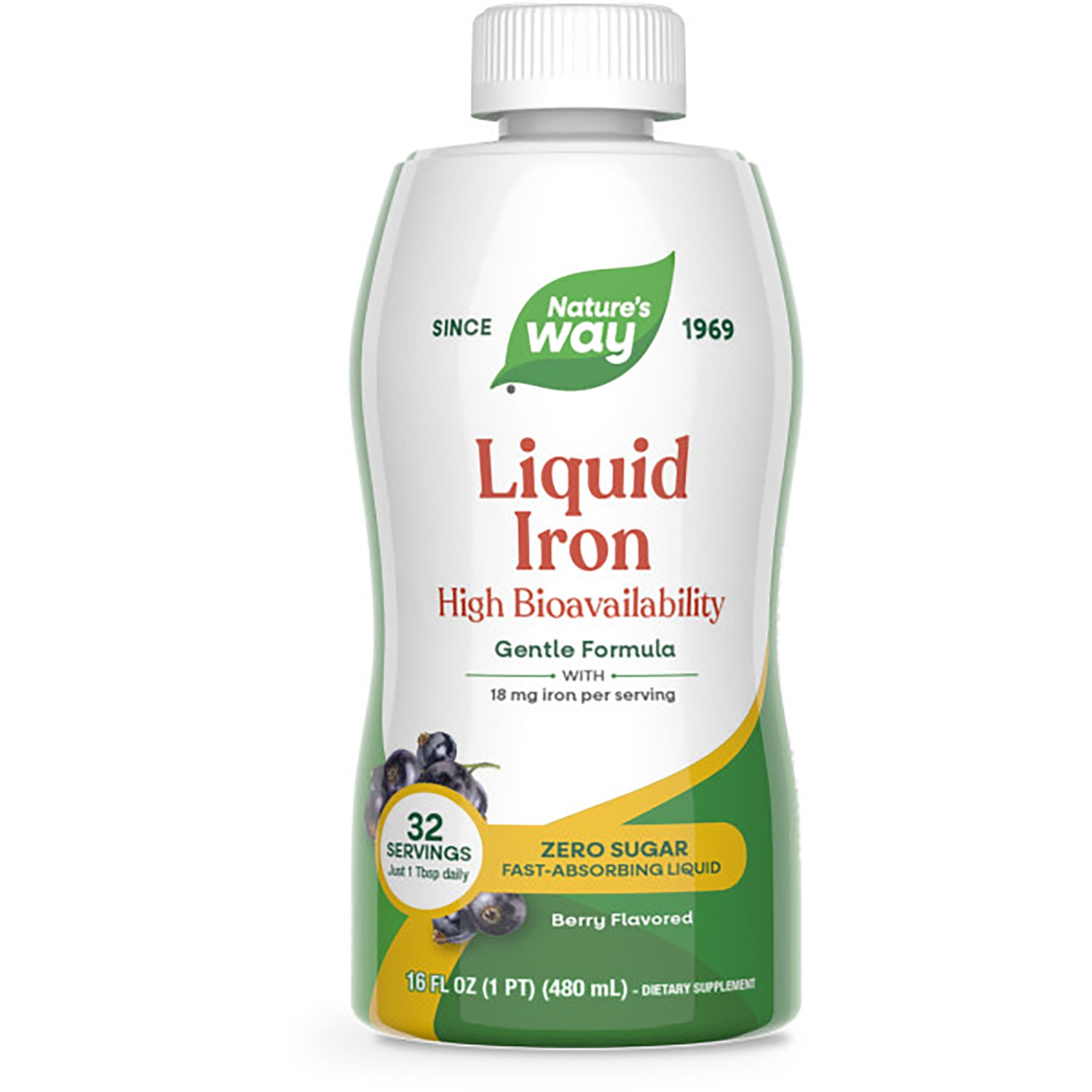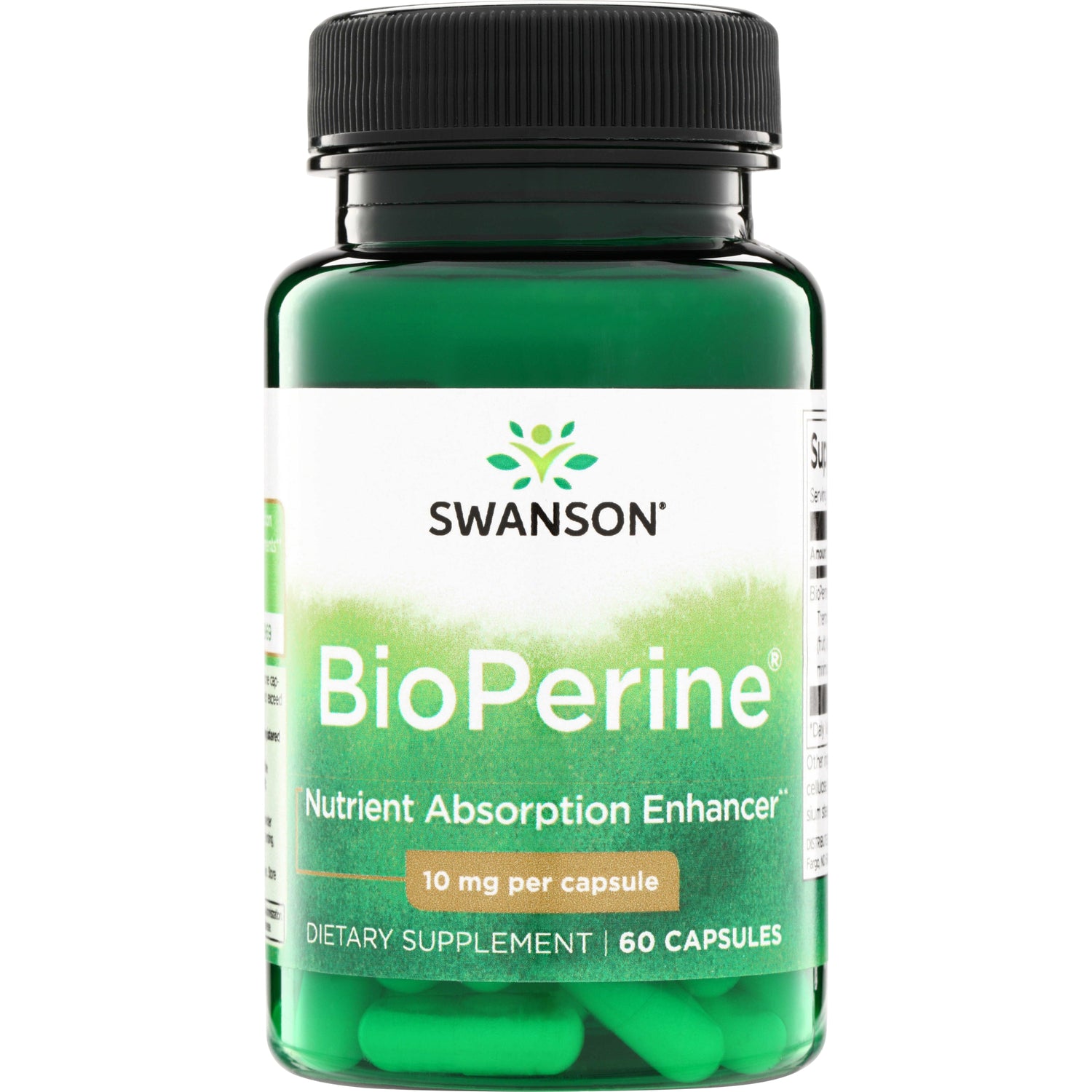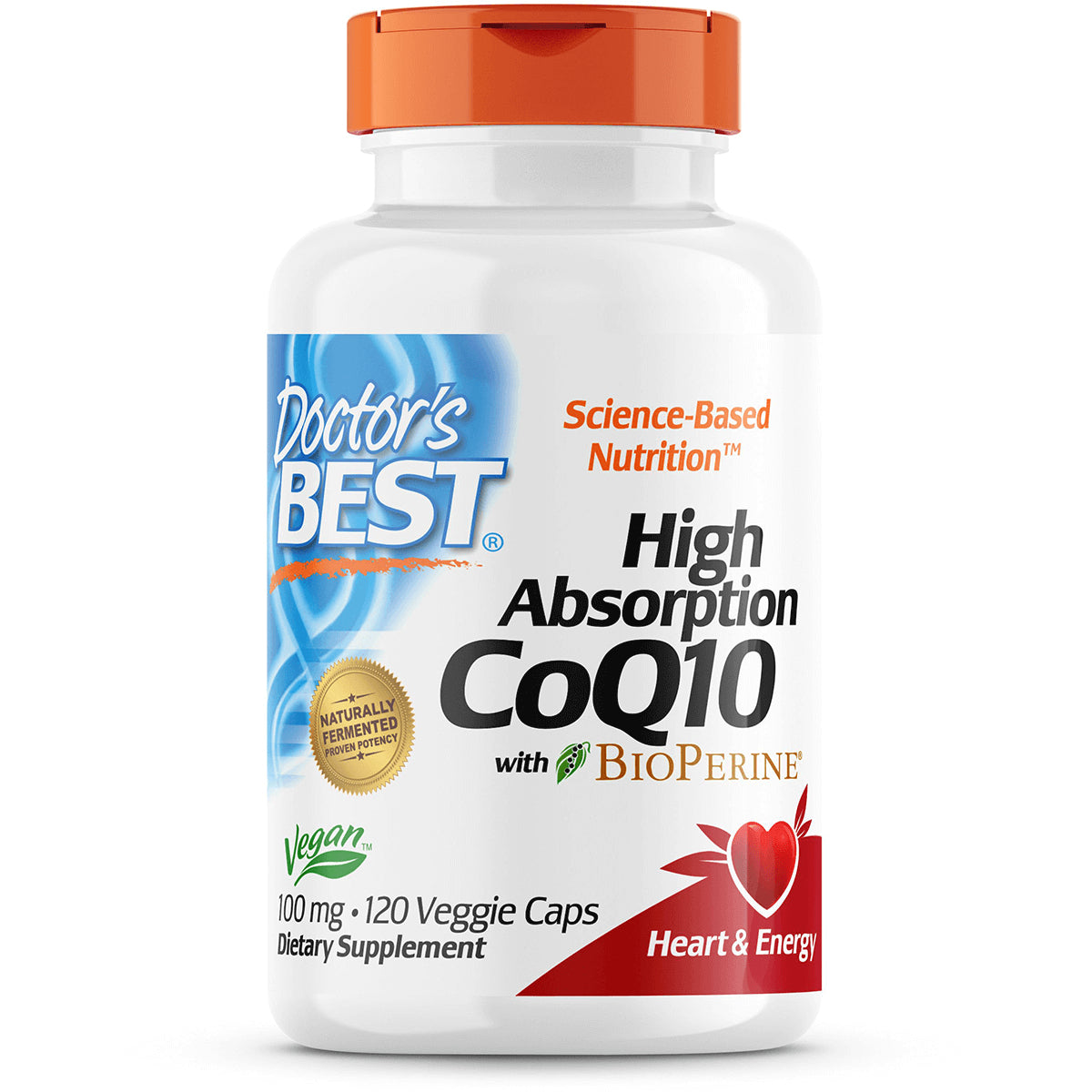
Health-conscious consumers often notice that the same nutrient can appear in tablets, capsules, powders, liquids, gummies or even oral sprays. Beyond price and dosage, one recurring concern is absorption rate: how much of the ingredient the body can actually take up and use. In nutrition science this is closely related to bioavailability, the proportion of a nutrient that reaches circulation after ingestion. Instead of relying only on marketing claims, readers can compare absorption by understanding dosage forms, ingredient properties and personal habits, then matching these aspects with individual needs. As health information involves personal conditions, any decision based on this discussion is for general reference and should be evaluated with a doctor or pharmacist.
What absorption rate and bioavailability really mean
When discussing health supplements, absorption rate describes how efficiently active ingredients pass from the digestive tract or oral mucosa into the bloodstream. In professional terms, bioavailability indicates what fraction of an ingested dose becomes available for physiological use. A higher bioavailability suggests a larger usable amount, but the context matters: dose size, frequency, diet and overall health status all influence real-world impact. For example, minerals like calcium or iron may show different absorption percentages depending on whether they are taken with food, fiber or other nutrients. Some studies also highlight that extremely high single doses do not necessarily offer proportional benefits, because the body may regulate uptake or excrete the excess. Therefore, absorption rate is an important comparison point, yet it should be interpreted alongside safe dosage and balanced diet.
Comparing common dosage forms: tablets, capsules and powders
Among traditional dosage forms, tablets are compact and stable, but they need disintegration in the stomach before ingredients dissolve and become absorbable, so onset can be slower. Compression and excipients might also influence how completely the tablet breaks down. Capsules, especially softgels, usually dissolve more quickly, freeing oils or powders for easier dispersion, which often improves practical absorption of fat-soluble vitamins and fish oil compared with hard tablets. Powders, when dissolved in water, are already in a dispersed state and may reach the digestive surface more evenly, which many users perceive as smoother intake and faster onset. However, differences in percentage values between these forms are not uniform across all products; they depend on formulation, particle size, and how thoroughly the powder or capsule contents are mixed in fluid before swallowing.
Liquid supplements and oral mucosal routes
Liquid supplements are frequently promoted as easier to absorb, and several reports suggest they can enter the bloodstream more quickly than solid forms under certain conditions. In a 2022 discussion drawing on Rahman and colleagues, liquid nutritional products were reported with notably high average absorption compared to tablets and capsules, though the exact figures vary across formulations and studies. Some manufacturers also quote data such as liquid forms reaching high absorption ranges within short time frames, while pill forms show lower ranges over the same period. These numbers come from specific experimental settings and should not be generalized to every brand or nutrient. In addition to liquids swallowed conventionally, oral sprays, drops and sublingual preparations aim to use the oral mucosa, where thin tissue and rich blood supply can allow selected ingredients to enter circulation while partly bypassing the digestive system. This route is particularly discussed for vitamin B12, certain herbal components and rapidly acting formulations.
Why ingredient type, matrix and timing matter
Even with the same dosage form, ingredient characteristics play a major role in absorption. Fat-soluble nutrients such as vitamin D, vitamin E or carotenoids generally absorb better when taken with dietary fat, whether they are in softgels or liquid emulsions. Water-soluble vitamins like vitamin C and B-complex have different saturation points, so very large doses may not translate into proportionally higher use. For minerals, interaction with other dietary components is critical: calcium may compete with iron for uptake, fiber can bind certain trace elements, and acidity in the stomach influences how they ionize. The food matrix—whether the supplement is taken with a meal, on an empty stomach or alongside coffee or tea—also affects bioavailability. Readers comparing products should therefore look beyond dosage form and check instructions about timing, co-ingestion with food, and any cautions about simultaneous use with medication.
Practical ways to compare absorption between products
When facing several options on a shelf, consumers rarely have access to full pharmacokinetic data. A practical approach is to review label information, manufacturer educational materials and any referenced studies. If a brand cites specific research, noting the publication year, population studied and nutrient type helps assess relevance. Pharmacists often recommend considering whether the dosage form matches the user’s lifestyle: individuals with difficulty swallowing might favor liquids, chewables or gummies, while those who travel frequently may prefer stable tablets or capsules. Observing personal responses over time—such as changes confirmed by blood tests for vitamin D or iron—provides more reliable feedback than short-term sensations alone. Because data can differ between formulations, absorption claims are best treated as comparative tendencies, not absolute promises, and discussed with health professionals when underlying conditions are involved.
Personal factors and safety considerations
Age, digestive health, oral condition and concurrent medication all influence how well a supplement is absorbed. Children and older adults sometimes benefit from friendlier forms like liquids, jellies or sprays that reduce swallowing discomfort and support more consistent use. Individuals with reduced stomach acid, gastrointestinal surgery history or certain chronic conditions may have altered absorption for nutrients such as vitamin B12 or iron, making medical guidance especially important. In addition, high doses of some supplements can interact with prescription drugs, either by affecting absorption or altering metabolism. Because this topic touches on health decisions, the information presented here is intended as a general educational overview rather than medical advice. Readers are encouraged to consult physicians, dietitians or pharmacists before making significant changes to supplement routines, especially if they have existing diagnoses or take regular medication.
Choosing supplements with realistic expectations
In real-life practice, comparing absorption rate is about finding a suitable, sustainable way to obtain nutrients rather than chasing the highest theoretical percentage. Selecting products with clear labeling, reasonable dosage and trustworthy evidence usually matters more than relying on striking numbers in advertisements. Considering taste, convenience and personal schedule encourages steady use, which supports any long-term nutrition plan. When doubts arise about whether a tablet, capsule, powder or liquid is better for a specific situation, professional consultation can clarify trade-offs between bioavailability, cost and ease of use. By combining basic knowledge about dosage forms with thoughtful observation and expert input, consumers can navigate the supplement market more calmly and make choices aligned with their own health context.