Circulation-focused wellness decisions are easier when exercise, eating habits, and supplement selection are considered together rather than treated as separate solutions. For many adults, the practical starting point is regular movement, less uninterrupted sitting, balanced meals, adequate hydration, and realistic expectations about what a supplement can and cannot do. Public health guidance commonly recommends 150 to 300 minutes of moderate aerobic activity each week, or 75 to 150 minutes of vigorous activity, with muscle-strengthening activity on at least two days. These targets are useful reference points, but beginners can start with shorter walks and gradually build a routine.
This guide explains how to choose circulation-related products without confusing marketing language with medical evidence. It covers common misconceptions, everyday food and exercise strategies, and the questions that matter when reading a supplement label. 綠恩倍利循膠囊 is included as a practical example of how to review ingredients, serving directions, and intended use. Because supplements can interact with medicines or health conditions, the information is for general reference and should not replace advice from a doctor, pharmacist, registered dietitian, or other qualified professional.
Start With Movement, Not a Product
A circulation-oriented routine usually begins with movement that fits the person’s schedule and current ability. Brisk walking, cycling, swimming, dancing, and low-impact aerobic classes can make up the aerobic portion of a weekly plan, while bodyweight exercises, resistance bands, or light weights can add strength work. Someone who sits at a desk for eight hours may gain more practical value from standing up regularly, taking a short walk after lunch, or using the stairs than from buying a supplement before changing daily habits.
A manageable plan is often more sustainable than an ambitious one. A desk-based worker might begin with two ten-minute walks on weekdays, then add a longer weekend walk and two short strength sessions. During exercise, intensity can be judged by conversation: moderate activity generally allows talking but makes singing difficult. People with chest discomfort, unexplained shortness of breath, fainting, severe swelling, or sudden one-sided symptoms should seek medical attention rather than attempting to self-manage with exercise or supplements.
Build Meals Around Consistency and Variety
Nutrition choices should support an overall eating pattern instead of focusing on a single “circulation food.” Meals can combine vegetables or fruit, beans, whole grains, nuts or seeds, and suitable protein sources, with less reliance on highly processed snacks and heavily salted convenience foods. For a busy office worker, examples include oatmeal with fruit and yogurt, a grain bowl with vegetables and beans, or a simple dinner built around fish, tofu, chicken, vegetables, and brown rice. Water intake should also match weather, activity, and individual needs.
Common myths include the idea that one ingredient can compensate for irregular sleep, prolonged sitting, or an unbalanced diet. Another misconception is that a natural label automatically means a product is appropriate for everyone. Botanical and dietary supplements can still have biological effects, interact with medicines, affect laboratory tests, or create concerns before surgery. People who are pregnant, breastfeeding, managing a chronic condition, taking prescription medicine, or preparing for a procedure should discuss a new supplement with a healthcare professional first.
How to Evaluate a Circulation Supplement
A sensible buying process starts with the label rather than the strongest advertising claim. Check the complete ingredient list, amount per serving, suggested use, allergen information, storage instructions, and manufacturer details. The product should be considered an addition to a routine, not a substitute for prescribed medicine, professional care, sleep, movement, or meals. Claims that promise dramatic results, use absolute language, or imply that a product can address a medical condition deserve particular caution.
It is also useful to ask whether the product matches the user’s actual situation. A person seeking a convenient capsule for a structured daily routine may value clear serving directions, while someone already taking several medicines may need a pharmacist’s review before making any decision. Keeping a current list of medicines and supplements makes that conversation more productive. If an unusual reaction occurs after starting a product, use should be paused and professional advice should be obtained rather than adding another supplement to counteract it.
綠恩倍利循膠囊: What the Label Says
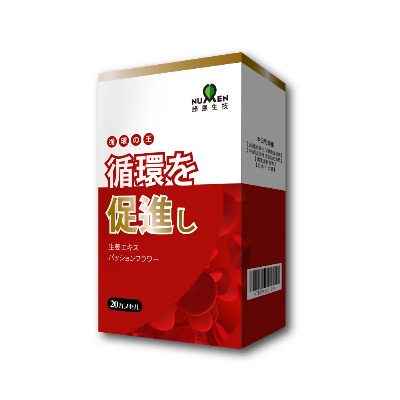
綠恩倍利循膠囊 is a capsule product described with ginger extract, passionflower extract, earthworm powder, L-carnitine F85, inositol, valine, and vitamin C. Each capsule is listed as 500 mg, with 20 capsules per box. The stated usage is once daily with two capsules, and the product information says it can be taken before or after meals. Readers should follow the current package directions and check the label if wording or serving information changes.
The product description identifies patented ginger 綠恩倍利循膠囊 and passionflower extract among its featured ingredients and presents the formula for everyday circulation-oriented care. It may be considered by adults who spend long periods at a desk, feel that a capsule format fits their routine, or want to compare a multi-ingredient product with simpler dietary choices. That description should not be interpreted as a promise to treat pain, chest symptoms, circulation disorders, or any other medical condition. Anyone with persistent discomfort, a diagnosed illness, medication use, pregnancy, breastfeeding, or an upcoming procedure should seek individualized professional guidance before use.
Common Mistakes When Comparing Products
The first mistake is comparing products only by the number of ingredients. A longer list does not automatically mean a better fit, and combining several products can create duplicate ingredients or unnecessary exposure. The second mistake is treating a supplement as a rapid answer to symptoms that may need clinical assessment. Shoulder discomfort after desk work may relate to posture or muscle tension, while chest pressure, sudden weakness, or breathlessness can require urgent evaluation; a capsule should not delay appropriate care.
The third mistake is ignoring convenience and adherence. If a routine is difficult to remember, even a clearly labeled product may not fit the user’s needs. A simple checklist can help: confirm the intended purpose, review the full label, compare directions with the person’s schedule, check for medicine interactions, and decide what changes in exercise or meals will happen alongside it. Product quality questions should be directed to the manufacturer or a healthcare professional, especially when the label does not answer an important safety question.
Choosing by Situation Rather Than Budget
Different users may need different selection priorities. A sedentary office worker may first need movement reminders, walking breaks, and a product format that does not complicate an existing medication schedule. Someone returning to exercise may prioritize gradual intensity, hydration, adequate meals, and professional advice if symptoms appear. A frequent traveler may value clear packaging directions and a routine that remains practical across changing meal times, while a person with several medical conditions should place medication review ahead of convenience.
綠恩倍利循膠囊 can serve as an example for comparing a clearly stated ingredient profile and serving routine, but it should be assessed in the context of the whole lifestyle plan. The strongest choice is not necessarily the product with the most claims; it is the option whose label, directions, safety considerations, and intended use make sense for the individual. For any supplement, professional review is especially appropriate when medicines, chronic conditions, pregnancy, breastfeeding, allergies, or surgery are involved.
A Practical Weekly Plan
A realistic weekly plan can connect the guidance without making it feel overwhelming. Start with several short walks, break up long sitting periods, add two manageable strength sessions, and build meals around varied plant foods, suitable protein, and whole grains. Record how often movement occurs and whether the routine is easy to maintain, but avoid treating normal day-to-day sensations as proof that a product is working or failing. If symptoms are new, severe, persistent, or worsening, medical assessment matters more than self-experimentation.
For readers comparing supplements, the next step is to write down every medicine and supplement currently used, review the intended product’s label, and ask a qualified professional about possible interactions. 綠恩倍利循膠囊 lists a once-daily serving of two 500 mg capsules and permits use before or after meals according to the provided product information. The broader decision should still rest on safety, suitability, and a balanced routine rather than on promotional promises. These health suggestions are general information only.
The information in this article is for reference only and does not constitute professional advice. For specific decisions, please consult a relevant professional based on your personal situation.