Poor peripheral circulation is often used to describe cold feet, numbness, tingling, color changes, leg heaviness, or discomfort during walking. These sensations can have many causes, including prolonged sitting, nerve problems, medication effects, diabetes, or peripheral artery disease. Because the same symptom may reflect a minor issue or a condition requiring medical assessment, daily care should focus on observation, foot protection, healthy routines, and timely evaluation rather than self-diagnosis.
Understand What the Symptoms May Mean
Circulation-related symptoms do not always appear in the same way. Some people notice cramping or aching in the calf, thigh, hip, or foot while walking or climbing stairs, with discomfort easing after rest. Others report one foot feeling cooler than the other, changes in skin color, slow-growing toenails, reduced leg hair, or wounds that heal slowly. Peripheral artery disease can also have few obvious symptoms, so recurring changes deserve attention even when discomfort is mild.
A symptom diary can make a clinical visit more useful. Record when the sensation begins, whether it follows walking or sitting, which limb is affected, how long it lasts, and whether swelling, skin changes, or wounds appear. Note relevant health factors such as smoking, diabetes, high blood pressure, high cholesterol, previous vascular disease, and medicines. These details help a clinician distinguish circulation concerns from musculoskeletal or nerve-related problems.
Build Movement Into the Day
Regular, appropriately paced movement is commonly included in care plans for peripheral artery disease and general vascular health. For someone who spends much of the day at a desk, short walking breaks, ankle movements, and gentle leg stretches can interrupt long periods of immobility. A gradual walking routine may be suitable for some people, but anyone with known artery disease, significant pain, chest symptoms, or major mobility limits should ask a healthcare professional what intensity is appropriate.
The goal is not to push through severe or unfamiliar pain. A practical routine can begin with a comfortable pace and brief sessions, followed by rest as needed, while tracking distance, symptoms, and recovery time. Structured or supervised exercise may be recommended for diagnosed peripheral artery disease. Comfortable shoes, stable surfaces, and a gradual increase in activity are safer than sudden strenuous exercise, especially for older adults or people with diabetes.
Protect the Feet Every Day
Foot care matters because reduced blood flow, diabetes, numbness, or fragile skin can make small injuries harder to notice and slower to heal. Check both feet daily, including the soles and spaces between the toes, for blisters, cracks, redness, swelling, pressure marks, drainage, or changes in temperature. A mirror or assistance from a family member can help when flexibility or eyesight makes inspection difficult.
Wash feet with warm rather than very hot water, dry carefully, and use moisturizer on dry skin while avoiding the spaces between the toes. Trim nails carefully and avoid cutting into the corners. Choose well-fitting socks and shoes with enough room for the toes, and avoid walking barefoot outdoors or on unfamiliar surfaces. Heating pads, hot-water bottles, and very hot foot soaks can cause burns when sensation is reduced, even if the skin does not immediately feel too hot.
Support Vascular Health Through Daily Habits
Smoking and tobacco exposure damage blood vessels and are important risk factors for peripheral artery disease. People who smoke can discuss cessation support, nicotine replacement, or other evidence-based options with a clinician rather than relying only on willpower. Food choices also matter as part of overall cardiovascular care: meals built around vegetables, fruit, whole grains, beans, fish, and unsaturated fats can fit a heart-conscious pattern, while excess sodium, added sugar, and saturated or trans fats can be limited.
Blood pressure, cholesterol, and blood glucose should be monitored according to an individual care plan. Prescribed medicines should be taken as directed, and over-the-counter products should not be added casually; some decongestants can constrict blood vessels and may not suit everyone with vascular conditions. Elevating the legs is not appropriate for every circulation problem, particularly when arterial flow is a concern, so positioning advice should come from a healthcare professional rather than from generic home remedies.
Know When Medical Care Is Needed
A scheduled medical assessment is appropriate when leg discomfort repeatedly appears with walking, one foot remains noticeably colder, numbness persists, skin color changes, or a foot wound does not heal as expected. A clinician may review pulses, skin condition, walking symptoms, medical history, and risk factors, and may order tests when necessary. Symptoms should not be attributed to aging alone, especially in people with diabetes, tobacco exposure, kidney disease, or a history of heart or blood-vessel problems.
Urgent care is warranted for sudden severe leg pain, a limb that becomes unusually pale, blue, or cold, rapidly worsening numbness or weakness, or a new wound with spreading redness, drainage, fever, or darkening tissue. Pain that continues at rest or a sore that fails to heal can indicate a more serious circulation problem. These signs require prompt professional evaluation; massage, vigorous exercise, tight compression, or heat should not be used as substitutes for assessment.
Create a Sustainable Care Plan
Effective daily care is usually a combination of small, repeatable actions rather than a single circulation product or quick technique. A weekly plan can include symptom notes, foot checks, scheduled movement, tobacco-support resources, balanced meals, and appointments for blood pressure, cholesterol, or glucose follow-up. Family members can help older adults inspect their feet, organize medicines, and notice changes that may otherwise be missed.
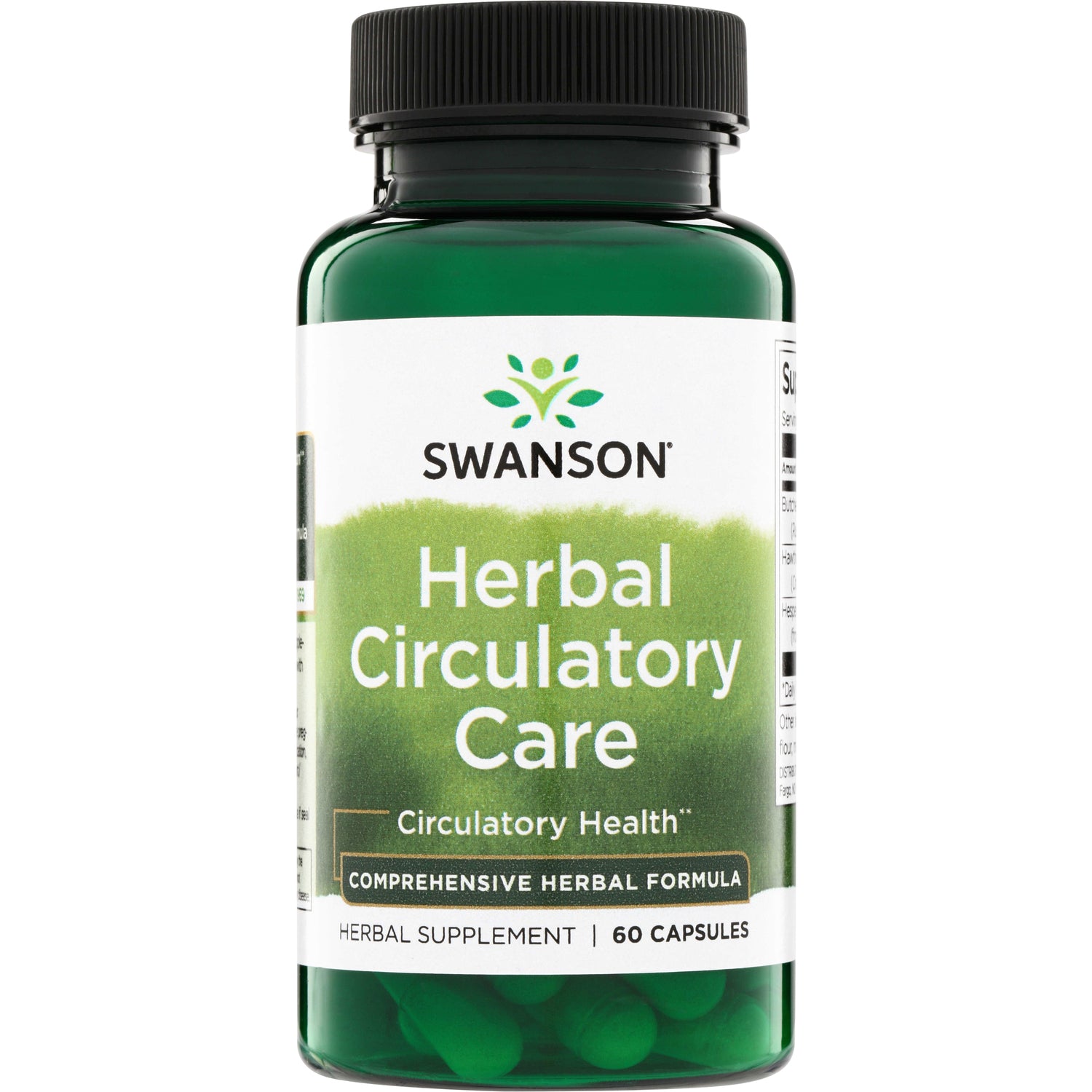
The safest plan is personalized because the right approach depends on the cause of the symptoms. Compression garments, supplements, massage devices, and herbal products should be discussed with a qualified professional before use, particularly when arterial disease, diabetes, heart failure, blood clots, or prescription medicines are involved. Health information is for general education only and does not replace diagnosis or individualized medical advice.
The information in this article is for reference only and does not constitute professional advice. For specific decisions, please consult a relevant professional based on your personal situation.