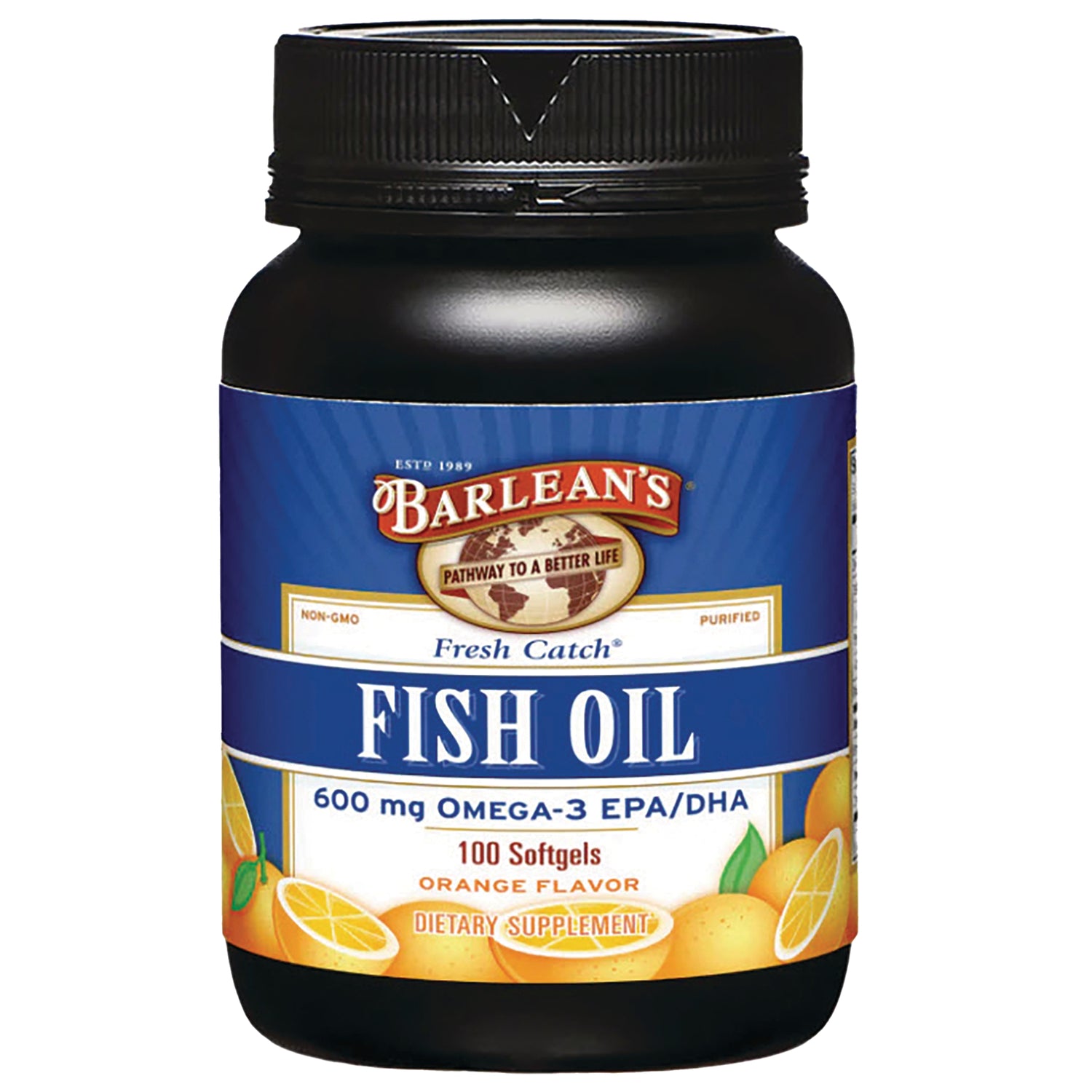
When smell is normal
Fish oil does not have to be odorless. A mild marine note or a faint fishy scent can be normal, especially when the product is still fresh and the capsule is intact. The practical question is not whether there is any smell at all, but whether the odor stays light and neutral rather than sharp, stale, or unpleasant. That distinction matters because many shoppers assume any fishy scent means poor quality, even though that is not always true.
When odor suggests oxidation
A strong rancid smell is more concerning than a mild fish aroma. As fish oil oxidizes, odor can shift from light sea-like notes to grassy, metallic, oily, or stale smells, and the taste may become noticeably harsher. Sources discussing fish oil freshness commonly link this kind of smell to oxidation products such as aldehydes and ketones, which are also associated with quality loss. In other words, smell can be a warning sign, but it is usually a late one rather than a precise measurement.
Smell is only a screening tool
Odor alone cannot confirm whether a product is good or bad. Some products may smell mild even when their quality is not ideal, while others may have a noticeable fish-like scent and still fall within acceptable freshness ranges. That is why labels, freshness reports, and oxidation markers matter more than a quick sniff test. For consumers comparing products online or in stores, smell is best treated as a first-pass check, not the final verdict.
What quality-conscious buyers look for
People who care about fish oil quality usually look beyond scent and focus on packaging details, expiry dates, storage instructions, and available testing information. Reports and consumer guides often mention AV, PV, and TOTOX as freshness-related indicators, with lower values generally associated with fresher oil. A sealed capsule, clear labeling, and careful storage away from heat and light are also common signs that the product was handled with freshness in mind.
Why storage changes the smell
Even a decent product can develop a stronger odor if it is stored poorly after opening. Heat, humidity, and direct sunlight can speed up oxidation, which makes smell more noticeable over time. That is why fish oil is often kept in a cool, dry place and sometimes refrigerated after opening, depending on the brand’s instructions. For households that buy large bottles or live in warm climates, storage habits can make a visible difference in how the oil smells near the end of use.
A practical way to judge fish oil
A sensible approach is to combine smell with other clues. If a capsule smells mildly fishy, that may be normal; if it smells rancid, stale, or unusually harsh, it deserves more attention. Buyers can also check whether the product provides freshness testing, whether the packaging is intact, and whether the storage advice is realistic for daily use. For shoppers choosing a supplement, this balanced method is more reliable than relying on odor alone.