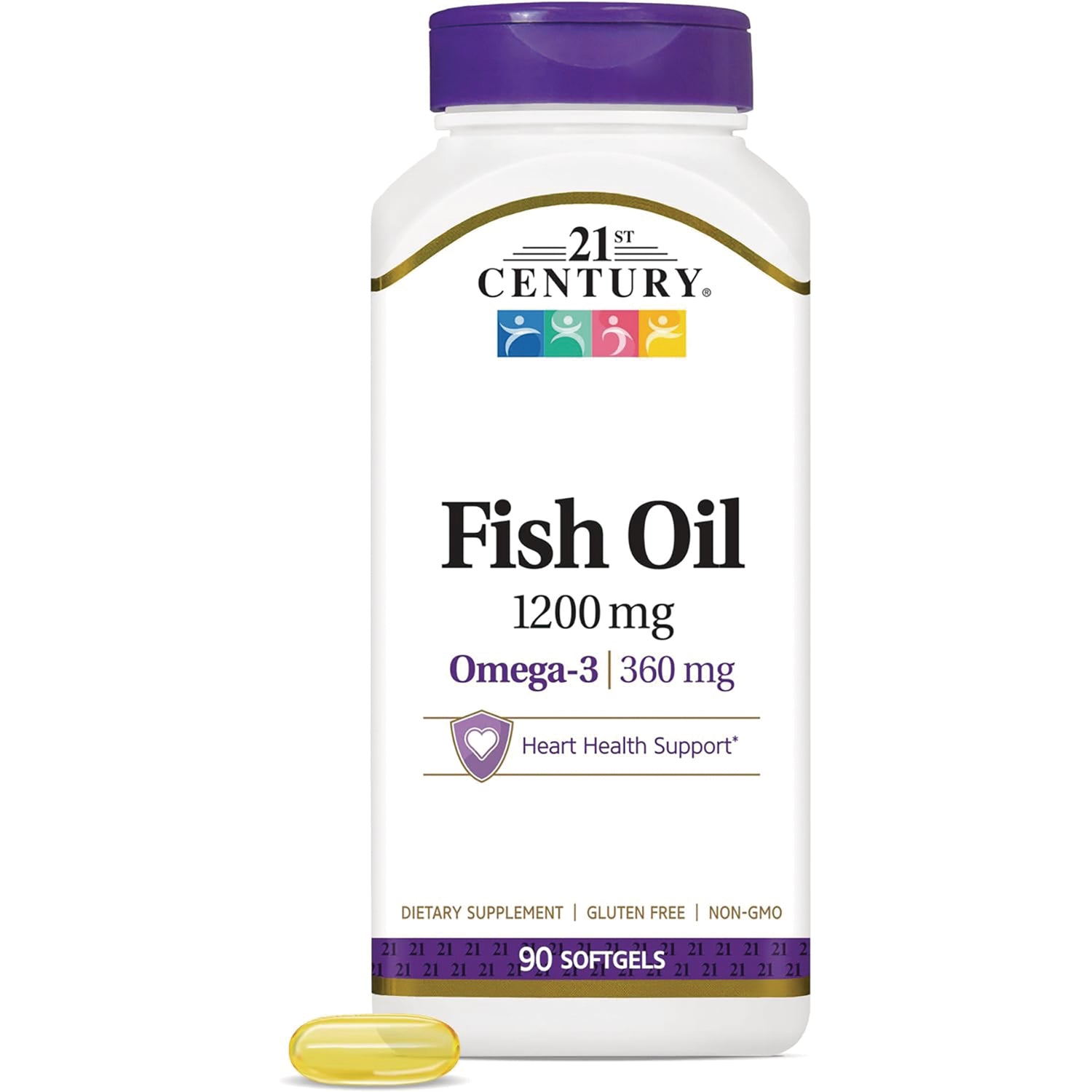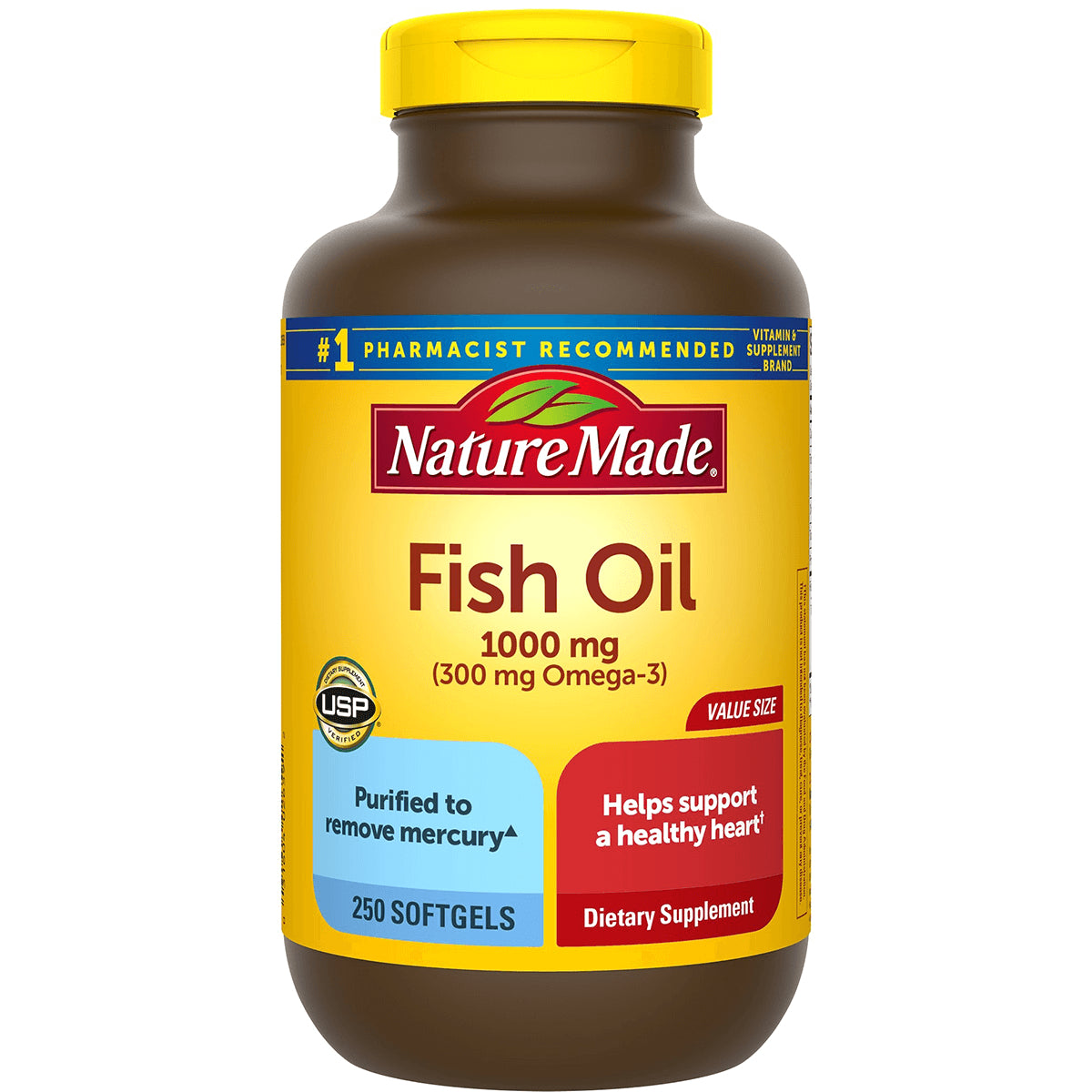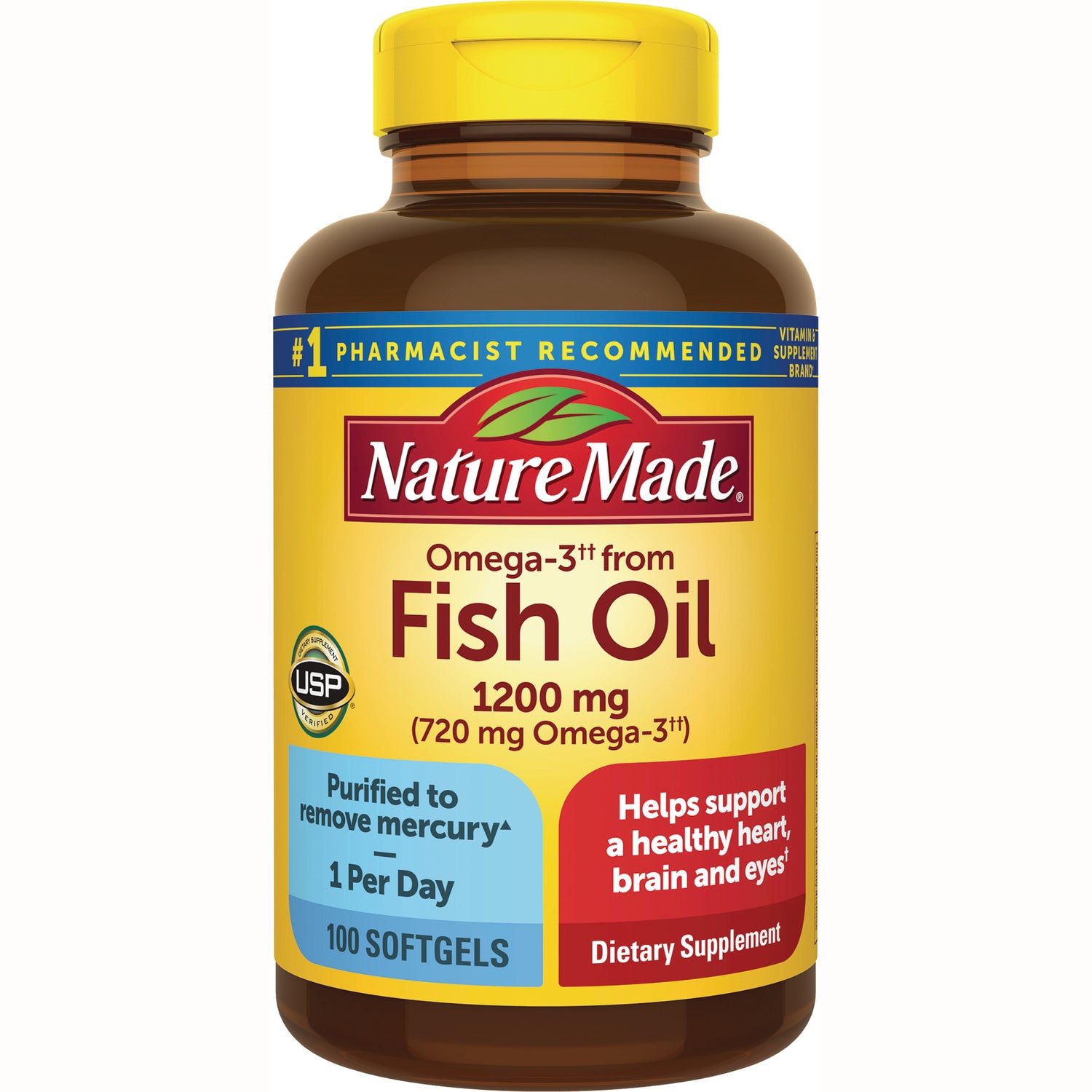
Many health-conscious people add fish oil to their routine, then start to worry: does fish oil make you gain weight? Because fish oil is a form of fat, it is easy to assume it will automatically show up on the scale. In reality, the relationship between fish oil, calories, and body weight is more nuanced. Understanding how much energy a typical capsule provides, how Omega-3 interacts with metabolism, and what clinical studies have found helps readers decide whether fish oil fits into their personal health and weight goals. This article focuses on practical explanations and balanced evidence, and it is for general information only; anyone with medical questions should consult a healthcare professional.
How many calories are in fish oil?
Before discussing weight gain, it is helpful to look at the calorie content of fish oil. Dietary fat provides about 9 kilocalories per gram, and fish oil is no exception. However, most commercial capsules contain relatively small amounts. For example, a standard capsule with around 1,000 mg of combined EPA and DHA provides roughly 9 kilocalories, which is similar to a small bite of a snack rather than a full serving of food. Taken at typical daily doses, this energy contribution is minor compared with the calories from main meals, drinks, and desserts. In practice, gaining weight depends on total daily energy balance, not on one small source like a few fish oil capsules.
Why “fat” does not always mean weight gain
The idea that “eating fat makes you fat” has been questioned by modern nutrition research. Fish oil contains Omega-3 polyunsaturated fatty acids, which behave differently from saturated fats found in many processed foods. Omega-3 is often discussed in relation to heart health, inflammation, and metabolic regulation. When consumed in moderate amounts, the calories from fish oil are usually absorbed into a broader diet pattern without standing out as a dominant factor. Weight gain happens when energy intake consistently exceeds energy expenditure over time, regardless of whether those calories come from carbohydrates, protein, or fat. So, simply adding a moderate dose of fish oil to an otherwise balanced diet is unlikely to be the main reason for a noticeable change on the scale.
What clinical studies say about fish oil and body weight
Several randomized controlled trials and systematic reviews have examined whether Omega-3 supplementation affects body weight. Across many studies lasting between a few weeks and several months, participants who took EPA and DHA were often compared with those receiving placebo oils. The results commonly show no meaningful difference in body weight changes between groups when diets and lifestyles are otherwise similar. Some analyses even suggest that Omega-3 may modestly influence waist measurements or body composition without clear effects on total weight. Overall, current evidence does not support the idea that appropriate doses of fish oil cause people to gain weight, though responses can vary across individuals and study designs.
When can fish oil be linked to weight gain?
Although typical supplementation has a small calorie load, there are scenarios where fish oil may be associated with weight gain, but usually indirectly. Taking large numbers of capsules every day adds more calories than most people realize, and when combined with energy-dense meals, sugary drinks, and little physical activity, total intake can exceed what the body uses. In addition, not all products are identical. Reports have described low-quality fish oil supplements that contain substantial amounts of other vegetable oils, sometimes in proportions that do not match the label. In such cases, frequent use may contribute more extra energy than expected. Even then, the main driver is overall diet and lifestyle rather than fish oil alone.
The role of Omega-3 in metabolism and weight management
Omega-3 has been studied for its potential influence on metabolic processes related to weight management. Research has explored possible effects on inflammation, insulin sensitivity, appetite regulation, and fat oxidation. Some trials suggest that when Omega-3 intake is combined with reduced-calorie diets and regular exercise, certain people may experience improvements in body composition or waist circumference. However, findings are not fully consistent, and experts emphasize that fish oil is not a stand-alone solution for weight loss. At best, it can be considered one supportive component within a broader plan that includes balanced eating, sufficient sleep, stress management, and physical activity.
How to use fish oil without derailing weight goals
For readers concerned about weight, the key is to integrate fish oil thoughtfully into overall daily intake. Choosing recommended doses instead of self-escalating the number of capsules helps keep calorie contribution modest. Pairing fish oil with nutrient-dense foods, such as vegetables, whole grains, and lean proteins, may support general health goals. Watching portions of high-calorie snacks and drinks usually has a far greater impact on body weight than adjusting fish oil alone. Many people also consider getting Omega-3 from fatty fish like salmon or mackerel, which provide protein and other nutrients alongside fat. For anyone with specific conditions, such as heart disease or metabolic disorders, discussing supplement plans with a doctor or dietitian is important.
Choosing quality fish oil products
Beyond calories, product quality matters. Capsules should clearly state the amount of EPA and DHA per serving, and reputable brands often provide information on purity, oxidation testing, and heavy metal screening. Some consumers prefer concentrated fish oil to reduce the number of capsules needed, while others focus on products that avoid unnecessary additives. Checking whether a supplement uses certified sources and follows good manufacturing practices can reduce the chance of getting oils that differ from the label. Since regulations vary by country, reading independent reviews and professional guidelines can help people navigate the crowded marketplace more confidently.
Practical takeaways for health-conscious readers
For most healthy adults using standard doses, fish oil is unlikely to be a major cause of weight gain. The small amount of calories in a few capsules per day tends to be overshadowed by overall diet and lifestyle patterns. Research suggests that Omega-3 can fit into weight management plans, though it should not be viewed as a quick fix or a replacement for fundamental habits like balanced eating and regular movement. Anyone considering fish oil for specific health reasons, or who already has chronic conditions, should treat this information as general guidance only and seek personalized advice from a healthcare professional or registered dietitian.