Memory changes can feel unsettling, but a single forgotten name or misplaced item does not automatically indicate a serious problem. A practical approach begins with everyday routines: regular movement, consistent sleep, varied meals, social connection, and activities that require genuine attention. The World Health Organization describes cognitive health as part of a broader life-course approach that also includes managing health conditions and limiting relevant environmental risks. Supplements may be considered as an optional part of a routine, but they should not replace professional evaluation, prescribed care, or foundational habits. The goal is not to promise a particular outcome; it is to make thoughtful choices that fit a person’s age, health history, medications, and daily schedule.
Start with habits before shopping
The strongest starting point is a routine that is realistic enough to repeat. Brisk walking, cycling, swimming, strength training, or active commuting can fit different abilities and schedules, while a consistent bedtime and wake time can make sleep habits easier to monitor. Meals built around vegetables, fruit, beans, whole grains, nuts, fish or other protein sources offer more nutritional variety than relying mainly on highly processed snacks. Learning, conversation, music, volunteering, and hands-on hobbies add mental and social engagement in ways that a passive screen session may not. A useful weekly plan might pair a walk with a friend, a new recipe, a library visit, and a fixed evening wind-down period. When memory concerns interfere with work, driving, finances, or ordinary tasks, a healthcare professional should assess them rather than treating supplements as a substitute for evaluation.
How to judge a memory supplement
A careful buyer should read the full label instead of choosing a product based only on words such as “extra strength” or “natural.” Check the serving size, amount per serving, suggested use, other ingredients, allergen information, age restrictions, pregnancy or nursing warnings, and any instruction to consult a healthcare professional. It is also useful to list current prescriptions, over-the-counter medicines, and other supplements before asking a pharmacist or clinician about possible interactions. Research reviews have found that evidence for supplements preventing cognitive decline is limited, and supplements can interact with medicines. Products with several active ingredients may appear appealing, but a longer ingredient list can make it harder to identify which component causes an unwanted reaction or whether it fits an individual’s medical situation.
Example: Herbal Extract Memory Complex
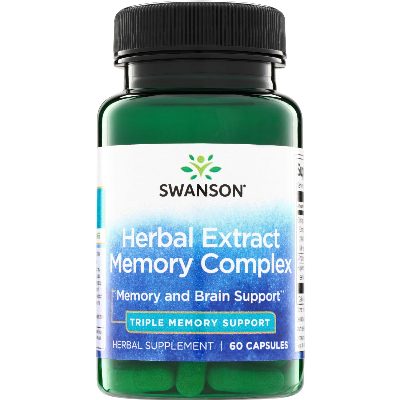
Herbal Extract Memory Complex is a capsule-based dietary supplement whose label lists Ginkgo biloba Leaf Extract standardized to 24% flavone glycosides and 6% terpene lactones at 120 mg per serving, Vinpocetine at 15 mg, and Huperzia serrata Extract from aerial parts at 7.5 mg. Other ingredients listed are microcrystalline cellulose, gelatin, and magnesium stearate. The suggested use is one capsule per day with food and water, and the label states that it is for adults only. It also says not to use the product during pregnancy, when pregnancy may occur, or while nursing, and directs users to consult a healthcare professional. This makes the product more relevant to adults seeking a simple once-daily format, but the label should still be compared with personal health needs and professional advice. The presence of ginkgo should not be interpreted as proof that the product prevents dementia or reverses memory changes, since evidence for that claim is not convincing.
Example: Memory Protect
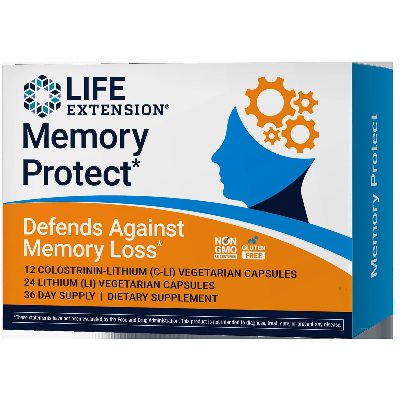
Memory Protect uses a different format and ingredient profile. Its label lists one vegetarian capsule per serving, with lithium as lithium orotate at 1,000 mcg and Colostrinin, described as a proline-rich peptide complex, at 100 mcg; daily values are not established for these ingredients. Other ingredients include microcrystalline cellulose, vegetable cellulose, rice blend extract, and maltodextrin, and the allergen information states that it contains milk. Each capsule is packaged in a blister pack labeled by day, with directions to begin at Day 1 and take one capsule daily in consecutive order through Day 36. That day-labeled system may suit someone who values a structured routine, while the milk declaration matters for people with dairy allergies or sensitivities. Because lithium-related products and supplement ingredients may require individual review, users should discuss the label with a qualified healthcare professional, especially when taking prescription medicines or managing a chronic condition.
A brief look at Cognium Memory - Extra Strength
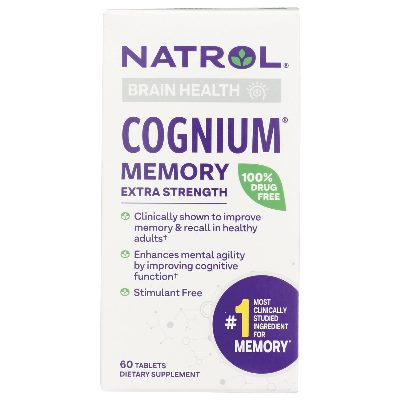
Cognium Memory - Extra Strength is a tablet whose label lists Silk Protein Hydrolysate Complex at 200 mg per serving. The suggested use is for adults to take one tablet in the morning and one tablet in the evening with a meal, and the label advises consultation with a healthcare professional before use during pregnancy, nursing, under the age of 18, or while taking certain medicines. Compared with a once-daily capsule, its schedule requires two meal-linked reminders, so it may be less convenient for people with irregular routines. Readers should not assume that a product described as “Extra Strength” is automatically a better match; the useful comparison is the actual serving directions, ingredient disclosure, warnings, dosage form, and ability to follow the routine consistently. Product labels can change, so the current package should be checked before use.
Choose by situation, not by marketing
Someone who wants the simplest reminder system may prefer to examine a one-capsule daily format, while a person who values a day-labeled blister pack may find a consecutive schedule easier to track. Adults avoiding gelatin need to notice the capsule materials listed for Herbal Extract Memory Complex, and people with milk allergies need to take the allergen statement for Memory Protect seriously. A person who dislikes multiple daily reminders should compare that concern with the directions for Cognium Memory - Extra Strength, which specify morning and evening use with meals. These are practical selection factors rather than promises of results. Before adding any product, keep a written list of ingredients and medications, introduce only one new supplement at a time when a professional agrees it is appropriate, and stop to seek advice if unusual symptoms occur.
A balanced conclusion
Memory-friendly living is built from repeated behaviors rather than one purchase. Regular physical activity, nourishing meals, restorative sleep, meaningful mental activity, social contact, and appropriate management of health conditions form the broader context recommended in public-health guidance. Supplements can be compared by label clarity, serving instructions, allergens, warnings, dosage form, and fit with a person’s routine, but they should remain optional and carefully reviewed. Herbal Extract Memory Complex, Memory Protect, and Cognium Memory - Extra Strength illustrate different ingredient lists and schedules; none should be presented as a guaranteed answer to memory concerns. Health information is for general reference only, and persistent or worsening changes deserve assessment by a qualified healthcare professional.
The information in this article is for reference only and does not constitute professional advice. For specific decisions, please consult a relevant professional based on your personal situation.