Lecithin has become a familiar word on nutrition labels, yet many readers only have a vague impression that it is “good for the brain and liver” without knowing why. In fact, lecithin is not a mysterious tonic but a group of phospholipids that are naturally present in every cell membrane of the body. It is also an important source of choline, a nutrient involved in neurotransmitter synthesis and liver fat handling. This article focuses on how lecithin relates to brain function and liver wellness, what current research suggests, how to obtain it from food, and when supplements should be approached with caution. All information is for general education only and is not a substitute for professional medical advice.
What exactly is lecithin?
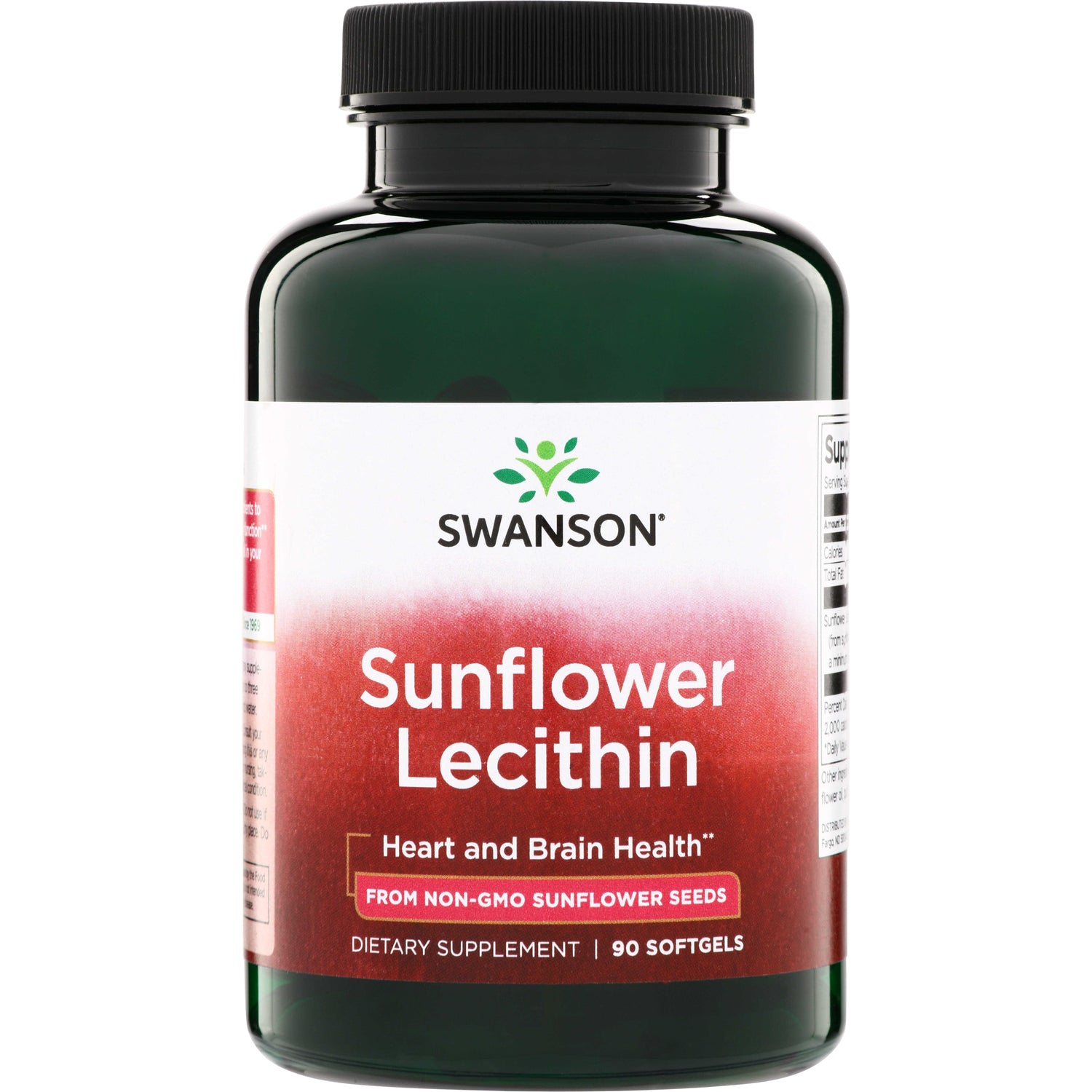
From a nutritional perspective, lecithin usually refers to a mixture rich in phosphatidylcholine, together with other phospholipids and triglycerides, often extracted from soybeans, sunflower seed or egg yolk. Phospholipids have a special structure with a water‑loving “head” and fat‑loving “tails”, making them key building blocks of cell membranes. In the brain and liver, where cells are metabolically very active, this structural role is particularly important. Many commercial lecithin products emphasize their origin, such as non‑GMO soy or sunflower, but for most people the overall phosphatidylcholine content, total fat intake and individual tolerance matter more than the specific plant source.
How lecithin supports brain structure and signaling
The brain is rich in lipids, and phospholipids form a large part of neuronal membranes and myelin sheaths that insulate nerve fibers. Phosphatidylcholine from lecithin can be used by the body to produce choline, which in turn is a precursor of acetylcholine, a neurotransmitter involved in memory, attention and muscle control. Some observational and small intervention studies in older adults suggest that adequate choline intake is associated with better cognitive performance, especially in people whose baseline intake is relatively low. At the same time, researchers emphasize that lecithin is not a magic shortcut; it mainly supports normal physiology rather than changing innate intelligence, and it cannot replace language learning, reading, exercise or treatment for neurological disease.
Lecithin and memory: what research currently shows
When discussing “lecithin for memory”, it is useful to distinguish between deficiency correction and performance enhancement. For individuals whose diets are very low in choline‑rich foods such as eggs, soy products or organ meats, increasing lecithin intake may help maintain acetylcholine levels and thereby support everyday memory and concentration. For healthy adults who already eat a varied diet, however, clinical trials have not consistently shown large, long‑term improvements in cognitive scores from extra lecithin alone. Some participants report feeling less “brain fog” or mental fatigue, but such self‑reports can be influenced by many factors. Overall, current evidence supports lecithin as part of a balanced dietary pattern rather than as a stand‑alone solution for exam performance or age‑related cognitive decline.
Lecithin’s role in liver fat handling and cell membranes
In the liver, lecithin is closely related to fat transport. Phosphatidylcholine is required for assembling very low density lipoproteins (VLDL), which carry triglycerides out of liver cells into the bloodstream. If phosphatidylcholine is insufficient, fat can more easily accumulate in liver cells and contribute to fatty liver over time. Some nutrition and hepatology research therefore views adequate phosphatidylcholine supply as one of several nutritional factors relevant to liver wellness, especially in the context of high‑calorie diets. At the same time, specialists remind readers that lifestyle factors such as alcohol intake, weight management, physical activity and overall dietary pattern are usually far more influential for liver status than one single nutrient.
Lecithin, choline and non‑alcoholic fatty liver
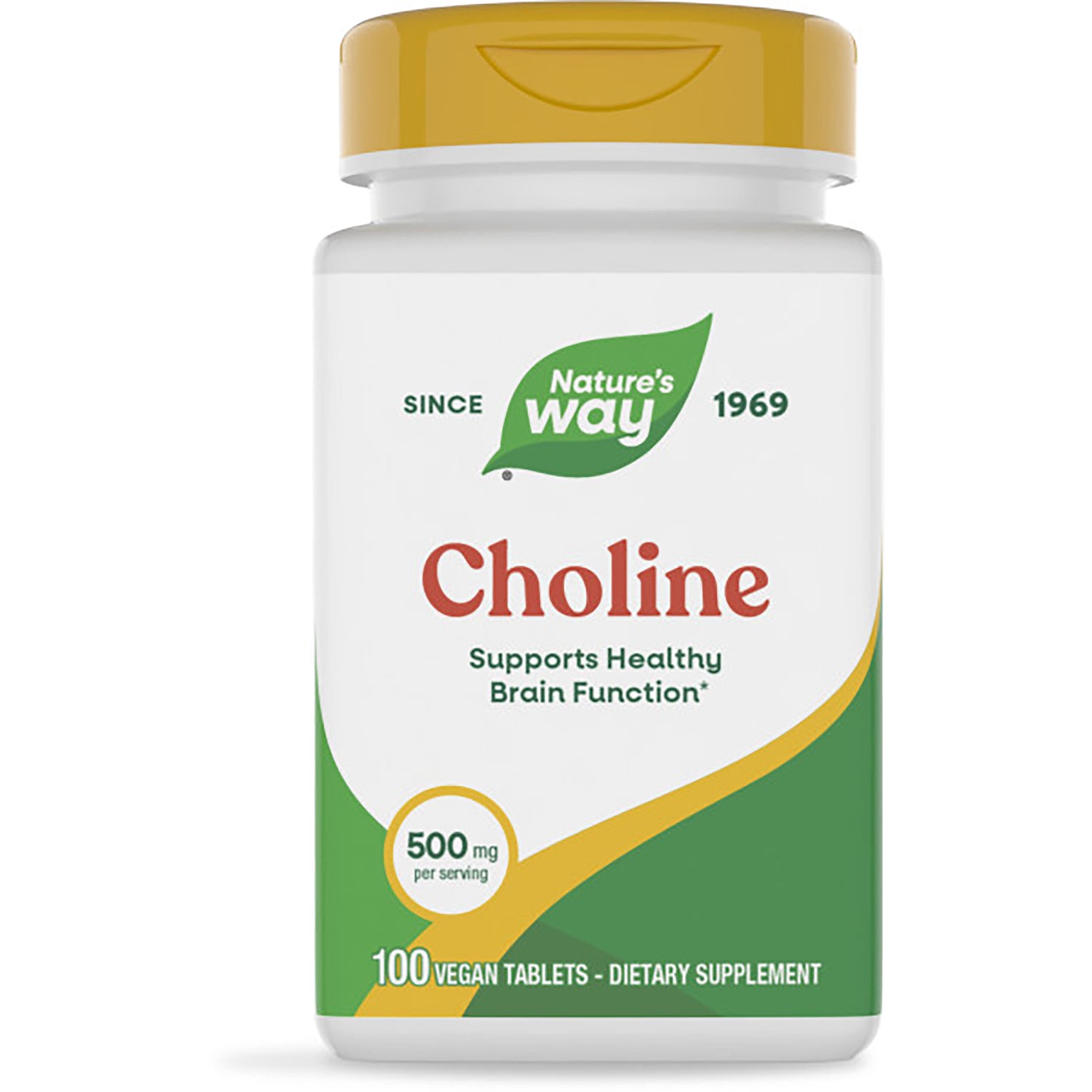
In discussions about non‑alcoholic fatty liver disease (NAFLD), lecithin often appears because of its choline content and its role in fat export. Some studies report that insufficient choline intake is associated with more pronounced liver fat accumulation in certain populations, leading to the hypothesis that choline‑rich foods or lecithin could support healthier liver fat management in people at risk. However, NAFLD is a complex condition involving insulin resistance, genetics, sleep, and other lifestyle factors. Nutrition experts generally position lecithin as one piece of a broader strategy that may also include energy control, limiting sugary drinks, and regular movement. Anyone with abnormal liver tests or imaging should discuss individual options with a physician or dietitian instead of self‑managing solely with supplements.
Food sources of lecithin for everyday eating
For most people, food is the most practical and sensible way to obtain lecithin. Egg yolks, soybeans, tofu, tempeh, natto, peanuts, sunflower seeds and certain organ meats naturally contain phosphatidylcholine and other phospholipids. A typical pattern might include one egg at breakfast, tofu or soy milk at lunch, and a handful of nuts or seeds as an afternoon snack. This combination not only provides lecithin but also brings in protein, B‑vitamins and unsaturated fats. Western‑style eaters may get lecithin from baked goods and chocolate where it is used as an emulsifier, though these foods also deliver sugar and saturated fat, so they are not ideal as “health” sources. People with egg allergy, lactose intolerance or vegetarian preferences can still cover lecithin needs through plant options such as soy and sunflower.
When lecithin supplements are discussed and safety notes
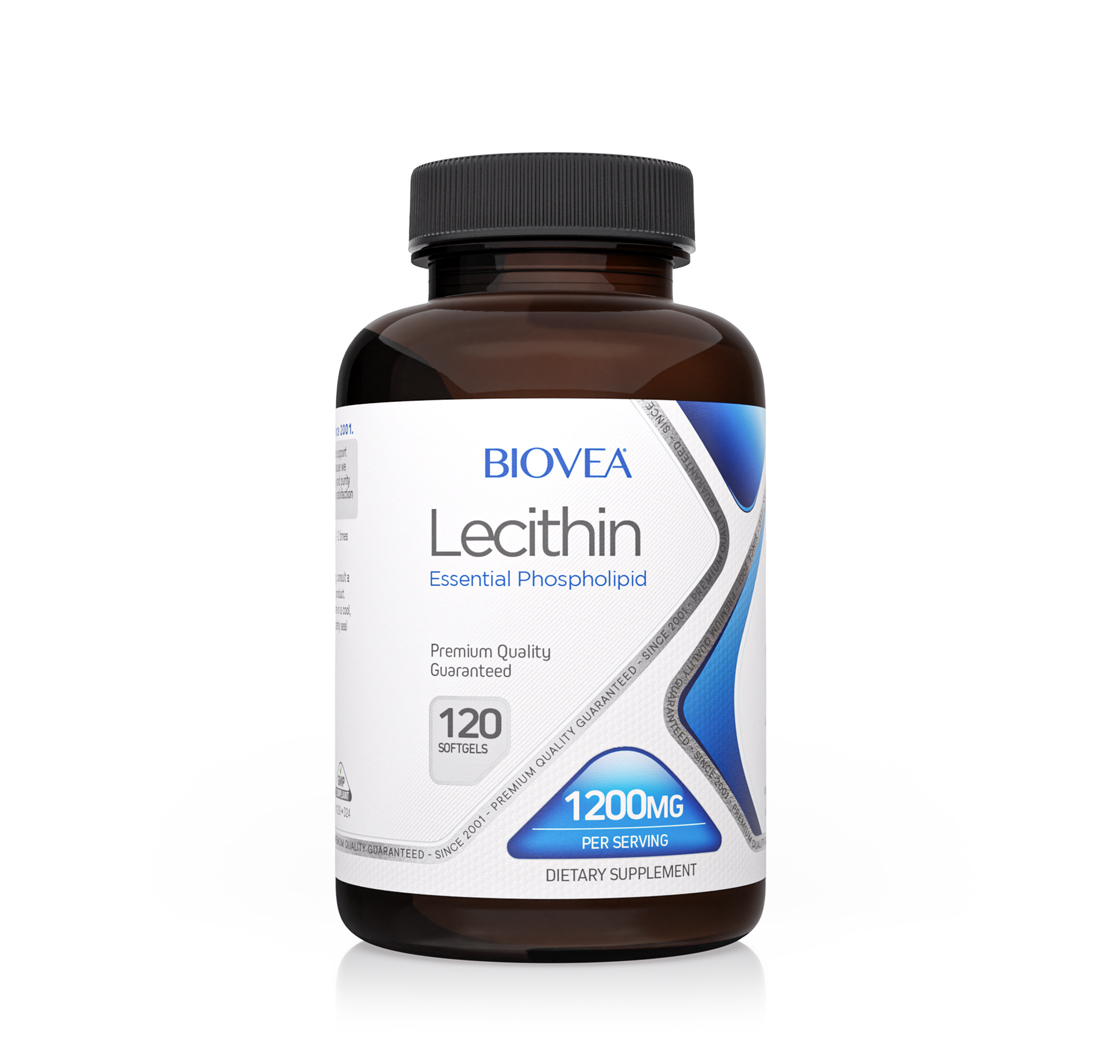
In some situations, such as very restrictive diets, poor appetite in older adults or medical conditions that limit fat absorption, healthcare professionals may discuss lecithin supplements as one of several tools to reach choline requirements. Typical products come as granules, capsules or liquids with a specified phosphatidylcholine content. Users commonly raise questions about dose, timing and possible interactions. Reported side effects from high intakes include digestive discomfort, loose stools or a fishy body odor due to choline metabolites in sensitive individuals. Because some formulations are quite energy‑dense and may contain additional oils, people with high blood lipids, gallbladder problems, pregnancy or existing liver disease should speak with a doctor or dietitian before using them. Supplements should not be seen as substitutes for prescribed medications.
Practical tips and reminder to seek professional advice
For readers curious about “taking lecithin for the brain and liver”, a practical starting point is to review current eating habits. Ensuring regular intake of eggs (if tolerated), soy products, nuts and seeds already covers lecithin for most healthy adults without needing extra products. Those with heavy mental workloads, long office hours, frequent dining out or long‑term alcohol use may pay extra attention to overall diet quality and lifestyle rather than focusing narrowly on one nutrient. It is also sensible to check any supplement plan with a healthcare professional, especially in the presence of chronic conditions or concurrent medication. All information in this article is for general education only and is not intended as diagnosis, treatment or individualized nutrition advice; readers are encouraged to consult qualified professionals for personal recommendations.