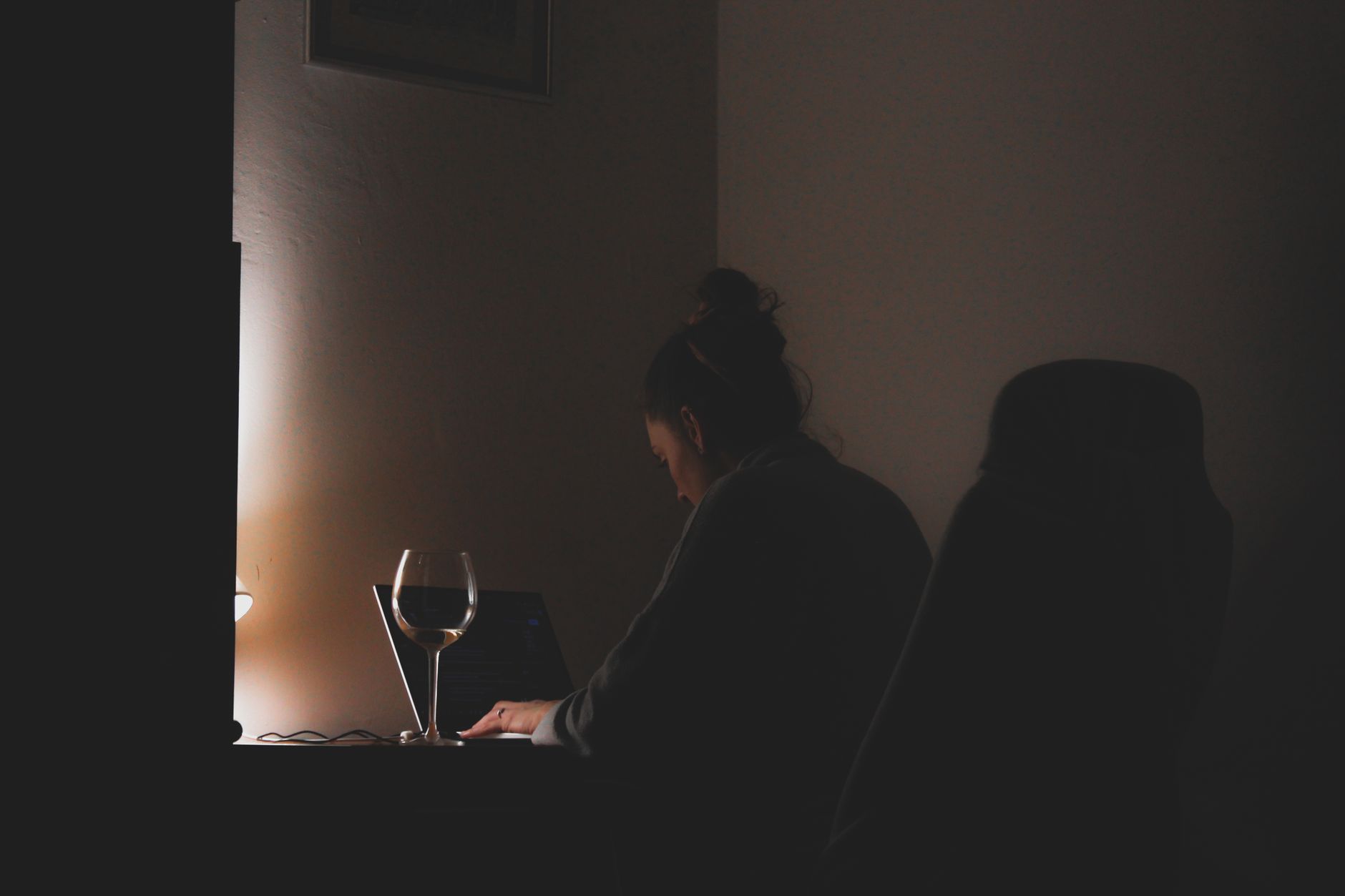
Women who regularly stay up late often notice changes in energy, mood, skin and their menstrual cycle, yet may not immediately link these shifts to hormone balance. Modern research suggests that circadian rhythm, the body’s internal clock, is closely tied to hormone secretion, including estrogen, progesterone and stress hormones. When sleep time is constantly pushed back, these rhythms can become misaligned, leading to irregular periods, increased irritability or difficulty concentrating. This article focuses on hormone care for night‑owl women, offering practical, non‑medical strategies around daily routine, stress, food and movement that readers can gradually incorporate into busy lives. All information is for general education only and is not a substitute for personal advice from healthcare professionals.
How staying up late interacts with female hormones
When bedtime regularly moves into the early hours of the morning, the brain’s hormone signals do not follow their usual pattern. Many experts describe how the hypothalamic–pituitary–ovarian axis, which coordinates reproductive hormones, relies on stable sleep and wake schedules. When sleep becomes irregular, some women experience cycle changes such as shorter or longer intervals, heavier or lighter flow, or more pronounced premenstrual symptoms. Others notice more frequent mood swings, stronger cravings or increased breakouts around their period. These reactions do not occur in everyone and can vary with age, stress and overall health, but they highlight why paying attention to hormone‑friendly routines matters, especially for those who need to stay up late for work or study over long periods.
Recognizing early signs of hormone rhythm disruption
Before periods become clearly irregular, the body often sends more subtle signals that hormone rhythms are under strain. Some women feel tired but wired at night, find it hard to wind down, yet wake unrefreshed despite sleeping in. Others report that their usual premenstrual discomfort arrives earlier, lasts longer or comes with more intense mood changes, such as feeling unusually anxious or tearful over small setbacks. Skin changes, including dull complexion, more visible dark circles and occasional breakouts around the chin or jawline, are also commonly noticed. While these signs are not specific to hormones alone, observing patterns over several cycles can help women identify whether late nights might be playing a role. Keeping a simple journal of bedtime, wake time, stress level and menstrual dates can be a useful first step.
Building a more hormone‑friendly sleep routine
For women who cannot simply switch to a 10 p.m. bedtime due to shifts, deadlines or caregiving duties, hormone care focuses less on perfection and more on consistent patterns. One helpful approach is to set a realistic earliest and latest bedtime window and aim to stay within that range even on weekends, so the body’s clock has predictable cues. A wind‑down routine 30 to 60 minutes before bed, such as dimming lights, lowering screen brightness, gentle stretching or reading, can signal to the brain that it is time to slow down. Many find it useful to avoid heavy meals, high‑sugar snacks and strong caffeine in the few hours before sleep, as these can make it harder to fall asleep or stay asleep. Over time, even modest improvements in sleep regularity may support steadier daytime energy and a more predictable menstrual rhythm.
Stress, emotions and their impact on cycles
Chronic stress is another factor that often accompanies late‑night schedules, especially for women balancing demanding jobs, family responsibilities and social expectations. Stress hormones such as cortisol follow their own daily rhythm and interact with reproductive hormones, meaning that emotional strain and sleep disruption can amplify each other. Some women notice that during particularly stressful months, periods arrive earlier or later than usual, or premenstrual symptoms feel more intense. Simple stress‑management practices, such as short breathing exercises, brief walks in daylight or setting boundaries around late‑night work messages, can make a meaningful difference over time. While these habits do not replace professional mental health or medical care when needed, they complement medical support and provide women with additional tools to navigate hormone‑related mood and cycle changes.
Everyday nutrition to support hormone balance
Instead of focusing on restrictive rules, nutrition for hormone care emphasizes steady energy and variety. Irregular sleep often comes with irregular eating, such as skipping breakfast, heavy late‑night snacks or relying on sugary drinks to stay awake. Gradually shifting toward regular meals that combine whole grains, colorful vegetables, quality protein and sources of healthy fats can create a steadier foundation for hormone production. Many women find it helpful to keep simple options available, like nuts, yogurt, boiled eggs, fruit or pre‑cut vegetables, so that late‑night hunger does not always lead to highly processed snacks. Staying hydrated with water or unsweetened tea, especially in air‑conditioned offices or during exam periods, also supports overall well‑being. For those considering supplements, discussing choices with a healthcare professional can help ensure safety and suitability for individual needs.
Movement, light exposure and the body clock
Physical activity and light exposure act as powerful signals for the body’s internal clock, making them valuable tools for women who stay up late. Even on busy days, short bouts of movement, such as walking between meetings, taking the stairs or doing a brief home workout, can support circulation, muscle strength and daytime alertness. Gentle activities like yoga or stretching in the evening may also help the body transition from work mode to rest mode. Exposure to natural light soon after waking, even if wake time is later than average, can help anchor the circadian rhythm and improve the contrast between day and night. On the other hand, reducing bright screen exposure right before bed, or using blue‑light‑reduction settings, can make it easier to feel sleepy at the chosen bedtime. These small adjustments, accumulated over weeks, can support more stable hormone signaling.
When to seek professional advice
While lifestyle adjustments can be meaningful, certain changes warrant timely attention from healthcare professionals. If periods have been absent for several months, become extremely heavy or painful, or are accompanied by symptoms such as severe fatigue, unexplained weight changes or persistent low mood, medical evaluation is important. A clinician can help rule out conditions such as thyroid issues, polycystic ovary syndrome or other hormonal disorders, and discuss appropriate options. For women who work long‑term night shifts or rotating shifts, occupational health services or sleep specialists may also offer tailored strategies. The information in this article is for general education only and does not constitute medical advice. Readers are encouraged to use it as a starting point for reflection and to consult doctors or qualified health professionals for personalized assessment and recommendations.
Sustainable hormone care for night‑owl lifestyles
For many women, staying up late is not a temporary phase but a long‑term reality shaped by career paths, study schedules or family life. In this context, hormone care is less about pursuing a flawless routine and more about making sustainable, compassionate adjustments. Prioritizing a roughly consistent sleep window, paying attention to stress signals, choosing more balanced meals most of the time and weaving movement into daily life all contribute to a more supportive environment for hormones to function. Observing the body’s responses over several months can help each woman design a pattern that fits her unique circumstances. Above all, recognizing the connection between late nights and hormone rhythms allows women to make more informed decisions and to seek professional advice early when changes in their cycle or overall well‑being raise concern.