Many women notice that their energy, appetite, and mood change around their menstrual period, and nutrition can play an important role in how manageable these days feel. A thoughtful approach to food choices during the cycle does not replace medical care, but it can support everyday comfort, focus, and stamina. This article looks at practical ways to plan meals and snacks, highlights nutrients that are often discussed in relation to menstrual health, and offers realistic suggestions for busy schedules. Throughout, the focus is on balanced eating patterns rather than strict rules, and readers are encouraged to consider personal needs and to discuss individual concerns with health professionals.
Understanding the menstrual cycle and everyday nutrition
The menstrual cycle affects hormones, fluid balance, and sometimes digestion and sleep, so eating patterns that feel fine most of the month may feel different in the days before or during bleeding. Some people experience stronger cravings, more bloating, or temporary changes in bowel habits, and these shifts can influence which foods feel comfortable. Looking at the whole cycle rather than only the period days helps women notice when they tend to feel more hungry, more tired, or more sensitive to caffeine and sugar. Keeping a simple diary for one or two months, noting meals, symptoms, and energy levels, can make it easier to adjust portion sizes, meal timing, and food choices. Instead of aiming for perfection, many readers find it useful to identify a few patterns and then make small, sustainable changes.
Building a balanced plate: carbohydrates, protein, and fats
A balanced meal during the menstrual cycle usually includes a mix of complex carbohydrates, protein, and fats, which together support steadier energy. Complex carbohydrates from foods like brown rice, oats, quinoa, and sweet potatoes provide slower-releasing energy compared with refined options such as white bread or sugary snacks. Including protein at each meal from beans, lentils, eggs, tofu, fish, or lean meats can help maintain satiety and reduce the urge to graze on snacks that may not be as satisfying. Fats from nuts, seeds, avocado, olive oil, and other plant sources add flavor and texture, and they also help meals feel more sustaining over several hours. For example, a bowl of oatmeal with berries, chia seeds, and a spoonful of peanut butter offers carbohydrates, protein, and fats in one simple combination that many women find suitable for mornings during their cycle.
Iron and other key minerals during the period
Because menstrual bleeding involves blood loss, iron is often discussed as a key nutrient for women, especially for those with heavy or prolonged periods. Foods like lean red meat, liver, sardines, beans, lentils, tofu, spinach, kale, and fortified cereals contain iron in different forms, and combining plant sources with vitamin C from fruits or vegetables can support absorption. Zinc and magnesium are also frequently mentioned in relation to menstrual comfort; foods such as pumpkin seeds, almonds, cashews, whole grains, and dark leafy greens provide these minerals along with fiber. Rather than focusing on a single “magic” food, it is usually more helpful to include a variety of iron- and mineral-containing items across the week so intake is spread out. If a reader suspects low iron or experiences symptoms such as unusual fatigue or shortness of breath, seeking medical evaluation is important before making major changes or starting supplements.
Supporting energy and mood with thoughtful choices
Fluctuations in hormones during the menstrual cycle can influence sleep quality, mood, and stress tolerance, which in turn shape eating habits. Some people notice that in the days before their period they reach more often for sugary foods or caffeine to get through the day, which can lead to brief energy peaks followed by dips. Pairing small portions of sweet foods with protein or fiber, such as fruit with yogurt or dark chocolate with nuts, may make these choices feel more balanced. Omega-3 fatty acids from oily fish like salmon, mackerel, or sardines, as well as from walnuts and flaxseeds, are widely discussed in relation to general inflammatory processes and overall brain health. Although responses differ between individuals, many women report that a regular pattern of meals, consistent hydration, and moderate caffeine intake makes emotional swings around the cycle easier to navigate.
Hydration, bloating, and gentle comfort foods
Hydration is a common concern during the menstrual period because water balance changes and some people experience bloating or fluid retention. Drinking water regularly across the day, and including soups, herbal teas, and water-rich foods such as cucumbers, oranges, and melons, can support comfort without relying solely on plain water. Salty processed foods may contribute to a feeling of puffiness in some individuals, so choosing less salty options when possible can be helpful. Gentle comfort foods, such as rice congee, vegetable soups, lightly seasoned stews, or baked root vegetables, are often better tolerated when digestion feels more sensitive. Replacing very spicy or greasy meals with simpler preparations for a few days is one practical way to respect the body’s signals without strict avoidance rules.
Planning snacks and meals for busy days
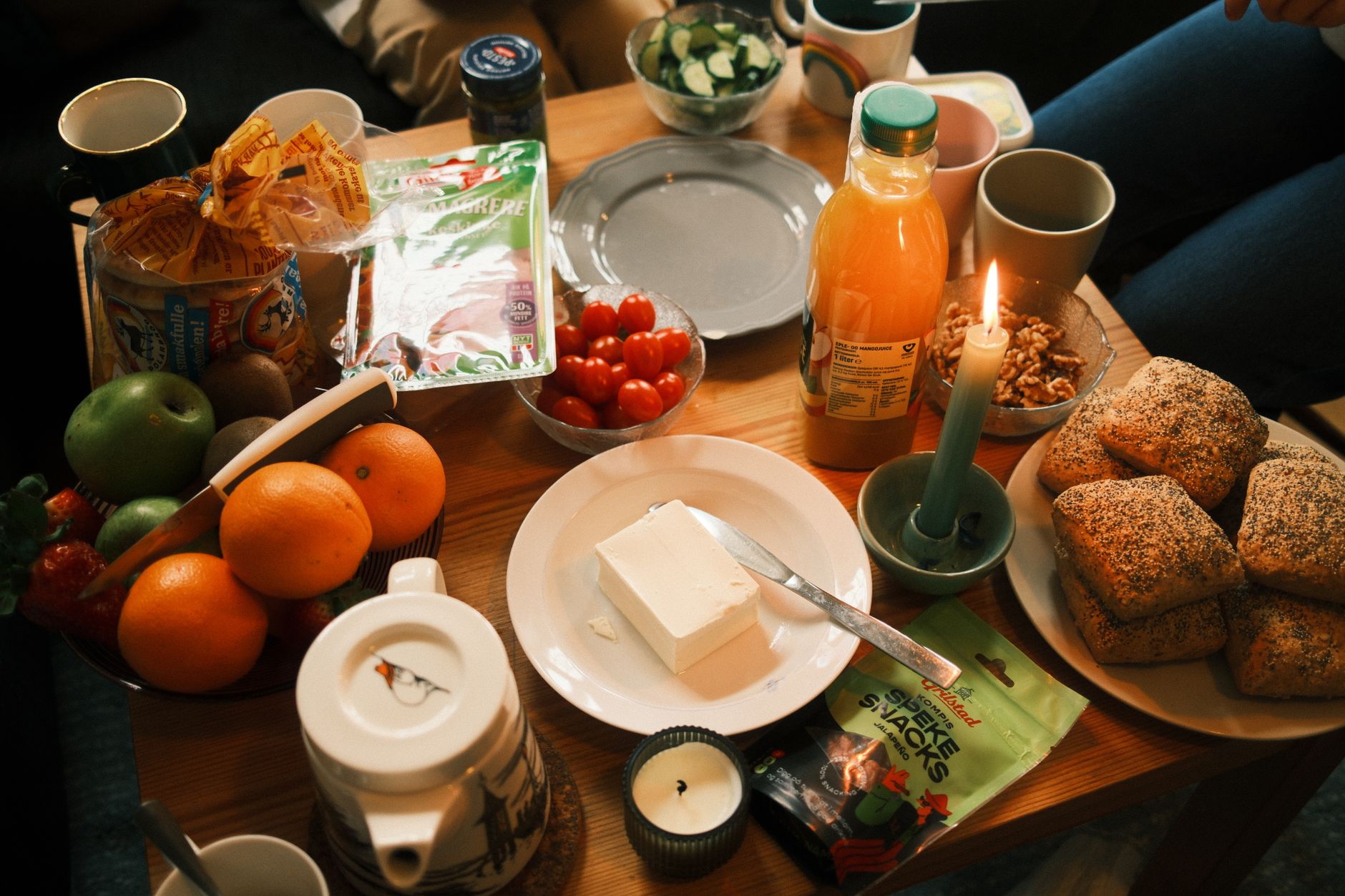
Many women have demanding work, study, or caregiving schedules that do not pause for the menstrual period, so practical planning becomes important. Preparing a few easy snacks in advance, such as boiled eggs, hummus with carrot sticks, trail mix with nuts and dried fruit, or whole-grain crackers with cheese, makes it simpler to choose nourishing options. Batch cooking dishes like bean chili, vegetable curry, or baked chicken with root vegetables can provide leftovers that are quick to reheat on days when cramps or tiredness reduce motivation to cook. Keeping a small stash of options like bananas, unsweetened yogurt, or nut butter at the workplace can support more stable energy compared with relying on vending machines or fast food. By viewing meal planning as a form of self-care rather than a rigid program, readers are more likely to maintain supportive routines across different phases of the cycle.
When to seek professional advice and how to personalize
Nutrition strategies around the menstrual cycle are highly individual, and what feels helpful for one person may not suit another. Severe pain, very heavy bleeding, or significant mood changes may suggest underlying conditions that deserve professional assessment, beyond what food choices alone can address. Registered dietitians, physicians, and other qualified health professionals can help interpret symptoms, review blood tests when appropriate, and design nutrition plans tailored to medical history and lifestyle. Information in this article is intended for general education, and it does not replace diagnosis, personalized advice, or treatment recommendations. By combining reliable medical guidance with mindful attention to everyday eating habits, many women can create a menstrual routine that feels more manageable and aligned with their overall health goals.