Many people decompress by binge watching dramas or series late into the night, but repeated short nights can leave eyes dry, vision blurry, and energy levels low the next day. Instead of focusing only on guilt, it is more helpful to understand what is happening to the eyes and liver, then adjust habits step by step. This article looks at eye strain, lifestyle patterns, and common views on liver load from both modern and traditional perspectives. The information is for general education only and does not replace individual medical advice; readers are encouraged to consult eye doctors, physicians, or traditional medicine practitioners for personal conditions.
How Late-Night Binge Watching Stresses Eyes and Body
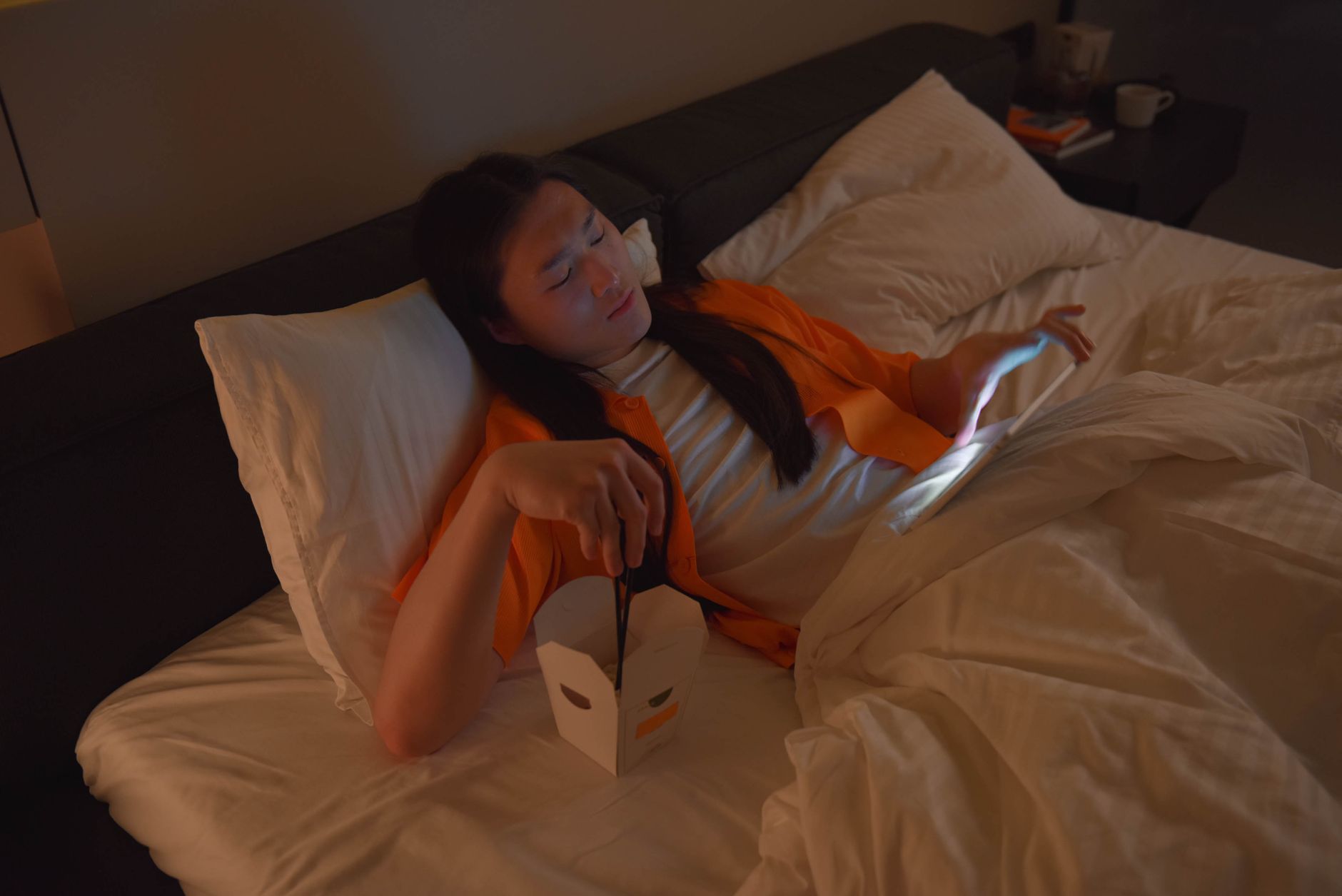
Long hours of staring at a bright screen in a dark room ask a lot from the visual system. The eyes blink less, tear film evaporates faster, and blue light exposure extends into hours when the body is normally preparing for sleep. Many night owls describe a mix of dryness, gritty sensations, and difficulty focusing after several episodes in a row. At the same time, staying mentally alert past usual bedtime means stress hormones stay higher for longer, and the body delays processes usually handled during deeper sleep. Over weeks or months, this pattern can leave people feeling "wired but tired," with both mental fatigue and physical heaviness.
Sleep Rhythm, Liver Load, and Traditional Perspectives
From a modern viewpoint, the liver is heavily involved in metabolism, processing nutrients, alcohol, caffeine, and many medications. Regular sleep loss and late-night snacking or drinking can increase the workload during hours when the body would otherwise slow down. People may notice dull headaches, poor concentration, or a general sense of sluggishness after repeated late nights. In traditional East Asian medicine concepts, the liver is often linked to the smooth flow of qi and blood and is said to have a close relationship with the eyes. Although this framework differs from Western anatomy and physiology, many people find it a helpful lens to reflect on how stress, anger, and irregular sleep seem to show up as eye discomfort or irritability.
Eye-Friendly Habits During Screen Marathons
Eye strain during binge watching is not only about total hours, but also about how those hours are structured. Building in short breaks every 20 to 30 minutes to look at distant objects allows eye muscles to reset and encourages more natural blinking. Keeping the room softly lit instead of watching in complete darkness reduces the contrast between screen and surroundings, which many users find easier on their eyes. Placing the screen slightly below eye level, at an arm’s length or more away, can also reduce both eye and neck strain. Simple routines such as gently closing the eyes for a minute, rolling the shoulders, and doing a few slow neck stretches between episodes can make a long viewing session feel less punishing.
Hydration, Indoor Air, and Simple Comfort Measures
Late-night viewers often sit in air-conditioned rooms where the air is dry and airflow may be pointed directly at the face. This combination can make the eye surface feel uncomfortable much faster. Placing the seat away from direct vents and using a humidifier where possible can create a more eye-friendly environment. Drinking water regularly throughout the evening, rather than only sugary drinks or coffee, supports overall comfort. Some people find that warm compresses over the closed eyelids for a few minutes after shutting off the screen create a sense of relief, as warmth helps loosen oils in the eyelid glands and encourages smoother tears. If discomfort persists, asking an eye care professional about the appropriate use of artificial tears or other options is advisable.
Smarter Night Snacks and Drinks for Binge Watchers
Snacks are part of the fun for many binge watchers, but heavy late-night eating can contribute to both poor sleep quality and additional load for digestion. Choosing lighter options such as fruit, a handful of unsalted nuts, or whole-grain crackers is generally easier on the body than large portions of fried or very sugary foods. In some traditional dietary approaches, deep-colored vegetables, berries, and seeds are highlighted as ingredients that fit a pattern of supporting overall vitality and eye comfort. Regardless of framework, it is sensible to keep caffeine and alcohol moderate at night, because both can disrupt restorative sleep and leave people feeling more depleted the next day. For anyone with liver disease, diabetes, or other chronic conditions, snack choices at night are particularly important topics to discuss with their healthcare team.
Building a Post-Late-Night Recovery Routine
Even with the best intentions, most night owls know there will still be evenings when one episode turns into four. Instead of assuming the next day is ruined, it can help to have a simple recovery routine. Many people benefit from a short daytime nap of about 20 to 30 minutes, taken early enough not to interfere with the upcoming night’s sleep, rather than sleeping half the day and resetting their clock even later. Gentle movement such as walking outdoors, stretching, or light yoga can make the body feel more awake without another large dose of caffeine. Scheduling more demanding tasks for later in the day and keeping the morning slower gives the system time to catch up.
When To Seek Professional Help
Occasional late nights are common, but certain warning signs deserve attention. If eye symptoms include sudden changes in vision, strong pain, marked redness, or discharge, prompt evaluation by an eye care professional is important. Similarly, if fatigue, right upper abdominal discomfort, yellowing of the skin or eyes, or unexplained weight changes appear, these may signal medical issues requiring timely assessment. Rather than self-diagnosing based on online articles or social media, readers are encouraged to use this information as a starting point for conversations with doctors or licensed traditional practitioners. Ultimately, balancing entertainment with rest, nutrition, and regular checkups offers a more sustainable way for night owl binge watchers to look after both their eyes and their overall health.