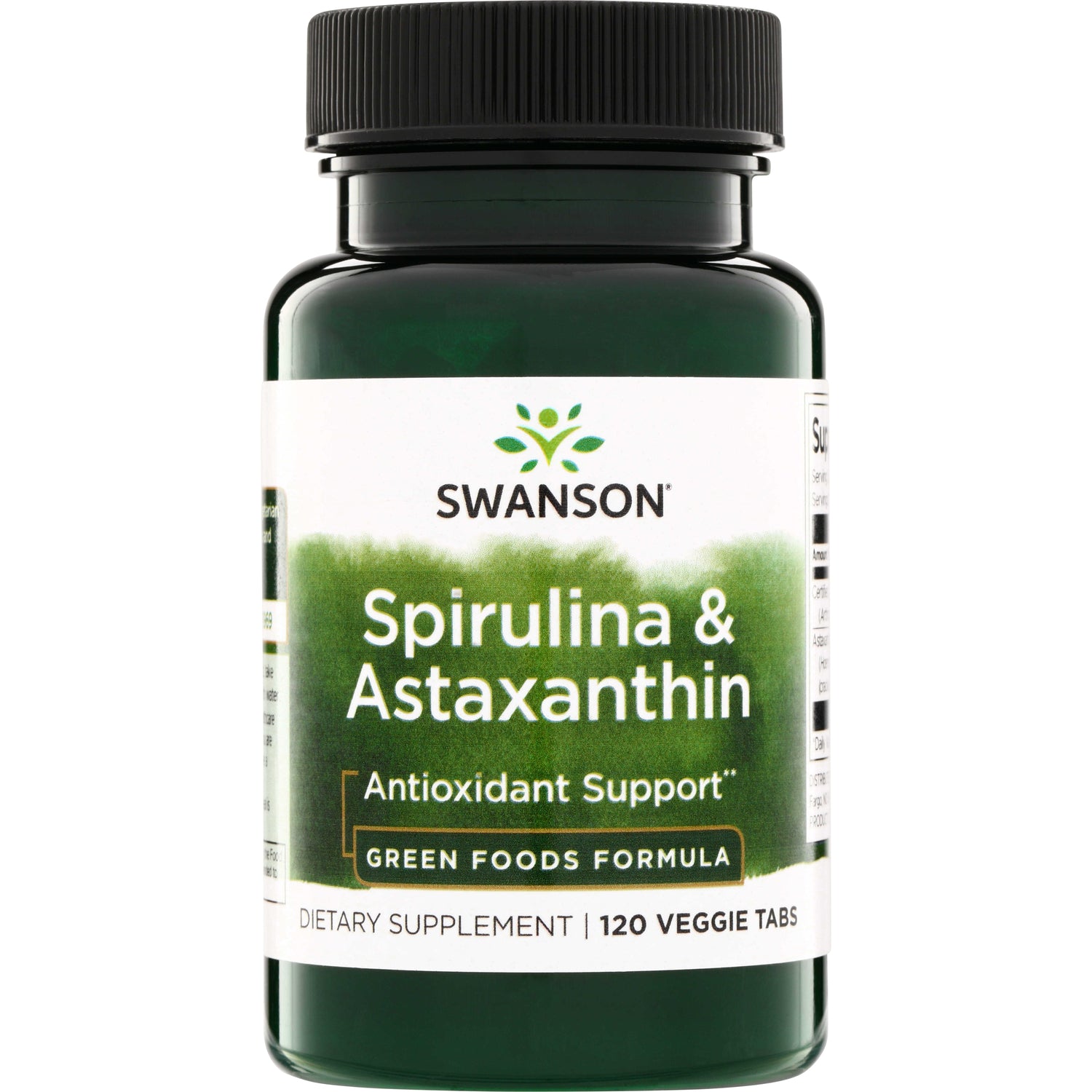
Many consumers feel torn when standing in front of the supplement shelf, facing both imported brands and domestic products that claim similar benefits. The price gap can be obvious, and marketing messages often highlight advanced formulas or local expertise, making choices even more confusing. In reality, imported and domestic supplements operate under different regulatory frameworks, supply chains and pricing structures. Understanding these differences helps readers make calmer, more informed decisions that fit their health goals, budget and comfort with risk. At the same time, any supplement remains food-grade rather than medicine, so expectations toward outcomes should stay realistic and professional guidance is strongly recommended before long-term use.
Key Regulatory and Safety Differences
One of the main distinctions between imported and domestic supplements lies in regulation, testing and labeling standards in each market. Imported products typically must comply with both the rules of the country of origin and the import country, covering ingredient lists, allowable dosages and safety evaluations. Domestic supplements, on the other hand, follow local laws only, which may be stricter in some regions and more flexible in others, depending on how authorities classify functional foods. For consumers, regulatory labels such as health food approval numbers, official seals or clearly stated functional claims are worth checking, because they show whether a product has undergone formal review. It is also important to remember that most over-the-counter supplements are categorized as food, not medicine, and therefore are not intended to diagnose or treat disease.
Quality Control, Ingredients and R&D Background
Beyond regulation, differences in ingredient sourcing and manufacturing processes often affect how people perceive imported and domestic products. Imported supplements may use raw materials from specific regions, such as cold-water fish oils or botanicals grown under particular climates, which can be appealing to certain users. Some overseas brands emphasize long research histories and mature technology, especially in areas like vitamins, minerals or probiotics, and this technical narrative is a major part of their image. Domestic manufacturers, meanwhile, may focus on tailoring formulas to local dietary patterns and preferences, using ingredients that resonate with regional habits. When comparing options, checking for third-party test reports, batch numbers, and clear manufacturing information can be more reliable than relying solely on country of origin. Readers who care about specific ingredients, such as allergens or animal-derived components, should always read the full label carefully.
Price, Taxes and Market Positioning
Cost is often the most visible difference between imported and domestic supplements, especially in markets where import duties on health-related products can be relatively high. In some regions, imported supplements may carry additional logistics and tax burdens, which contribute to higher shelf prices compared with local brands. At the same time, cross-border e-commerce platforms sometimes offer international products at prices that appear lower than domestic equivalents, due to different supply chains or promotional strategies. Domestic supplements may invest heavily in local marketing, retail distribution, and customer service, which also influences pricing and perceived value. When considering price, readers can compare cost per serving, not just the sticker price, and think about how often they plan to take the product. A higher price tag does not automatically mean better quality, and a lower price does not necessarily indicate poor standards.
Cultural Preferences and Consumption Habits
The choice between imported and domestic supplements is not purely technical; cultural factors and daily habits play an important role. In some countries, consumers show strong trust in certain foreign brands because they associate them with long-standing traditions of nutrition science. In others, people prefer domestic products that include familiar herbs, grains or functional ingredients aligned with local cuisine and wellness philosophy. Marketing messages may tap into these preferences, using imagery of foreign laboratories or local farms to build emotional connection. Readers can observe their own habits: do they feel more comfortable with labels written in their native language, or with brands they have seen during travel or international media? Considering personal comfort and understanding of product information can be as important as comparing technical specs.
Practical Checklist for Comparing Products
Instead of deciding solely based on whether a supplement is imported or domestic, a structured checklist can make evaluation more practical. Key points include verifying the regulatory category of the product, checking for official approval marks where relevant, and reading the nutrition facts panel in detail. Looking at ingredient lists helps identify potential allergens, excessive sweeteners or unnecessary additives. Consumers may also look for batch-specific test reports or certifications from reputable laboratories, which can indicate consistent quality control. Reviews and word of mouth can offer context but should be weighed carefully, as personal experiences vary widely. Most importantly, readers with existing medical conditions, who are pregnant, older adults or those on medication, should discuss supplement use with healthcare professionals before starting or changing any regimen.
When to Consider Professional Advice
While many people purchase supplements based on online recommendations or family suggestions, involving professionals can make decisions more aligned with individual health status. Registered dietitians, physicians and pharmacists can review current diet, lab results and medication lists to see whether a supplement is appropriate, regardless of whether it is imported or domestic. They can also help identify unnecessary overlap, such as taking multiple products with similar nutrients that may exceed typical recommended intakes. Readers should treat information from articles and advertisements as reference material rather than personalized prescriptions. Whenever uncertainty arises, especially around long-term or high-dose use, seeking tailored guidance helps reduce unnecessary risk. Overall, choosing between imported and domestic supplements is less about finding a universally better category and more about selecting products that match personal needs in a thoughtful, informed way.
Health-related information in this article is for general reference only and does not replace advice from physicians, dietitians or other qualified professionals.