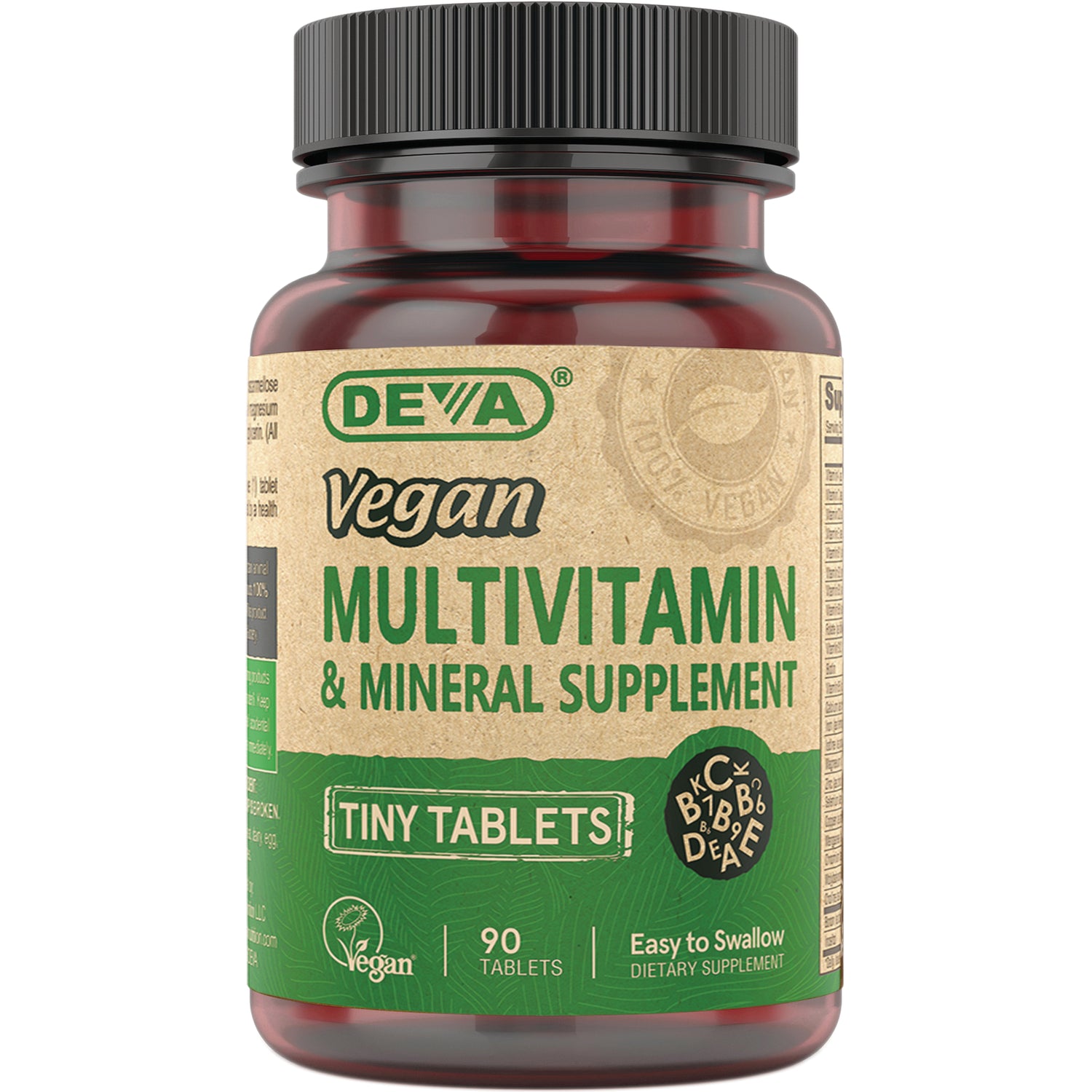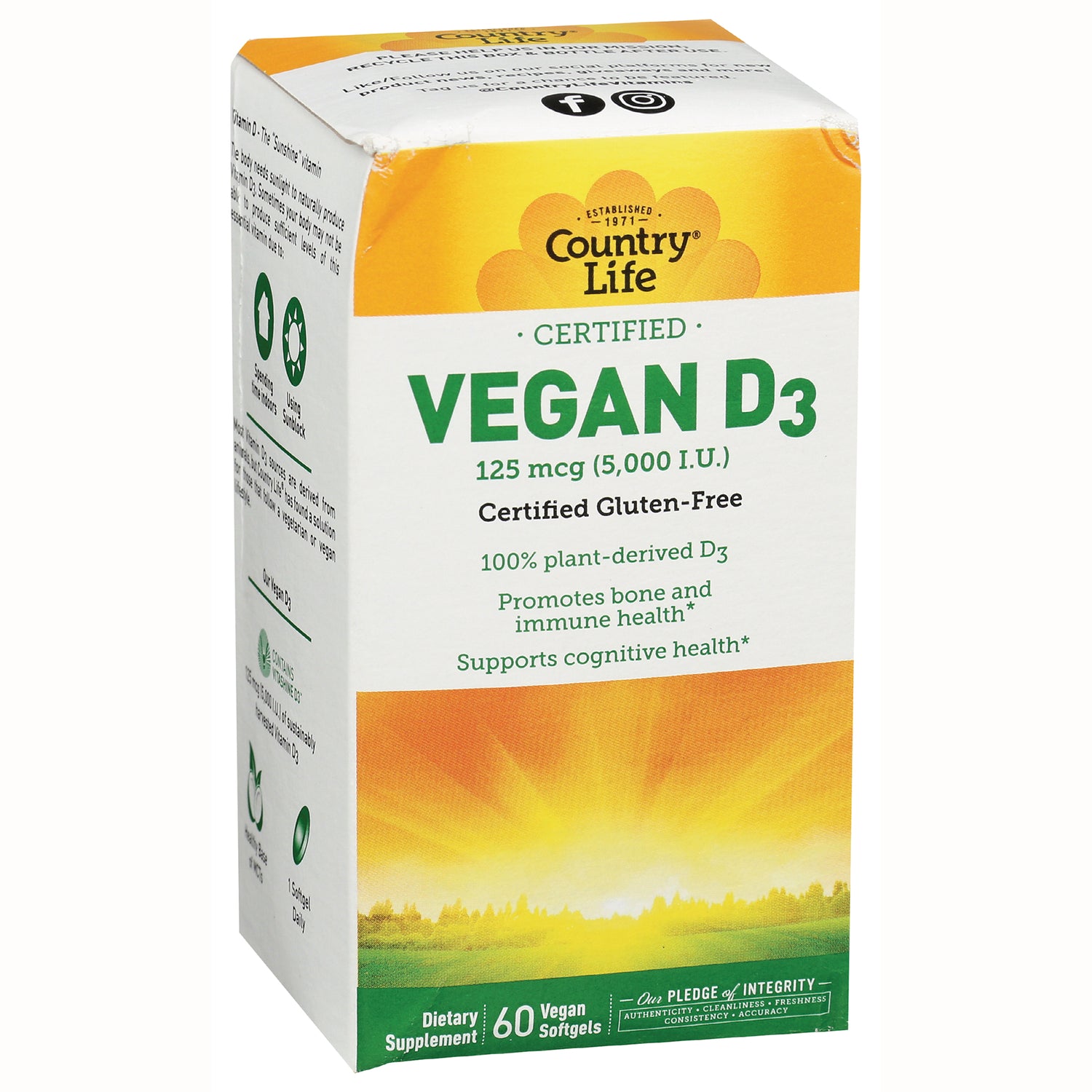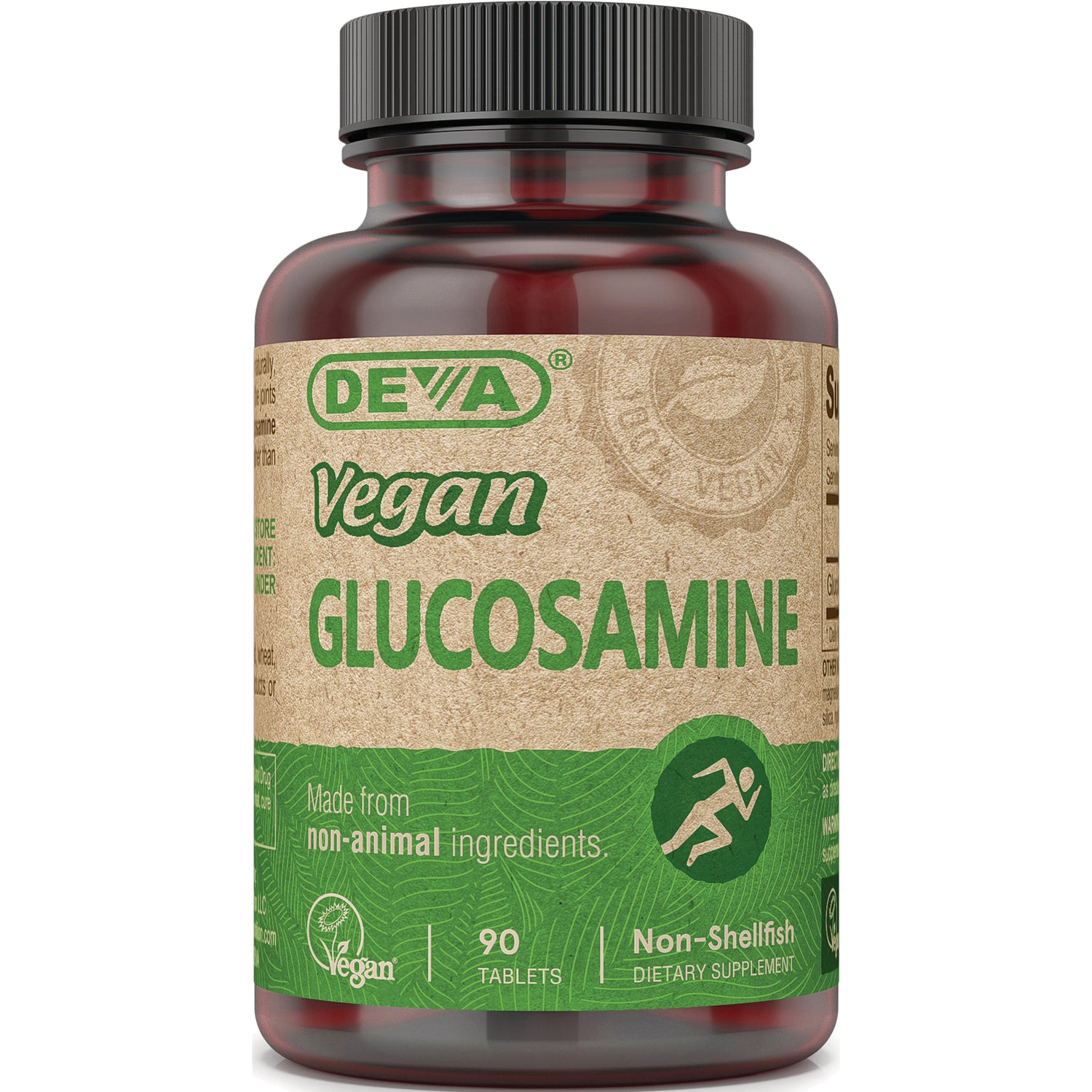
Understanding whether a supplement is truly vegan‑friendly can be confusing, especially with marketing terms like “plant-based” or “vegetarian suitable” appearing on labels. Many consumers want products that align with their ethical choices, religious beliefs, or digestive comfort, yet the front of the package does not always tell the whole story. This article walks through how to read labels in a more systematic way, from official vegan certifications to capsule materials and hidden animal-derived ingredients. The aim is to help readers ask better questions and make more informed decisions. All information is offered for general reference and does not replace advice from healthcare professionals.
Vegan, vegetarian and “plant-based” – what labels really mean
On supplement packaging, terms such as vegan, vegetarian, and plant‑based may be used in different ways, depending on the brand and the country’s regulations. A product described as plant‑based may focus on botanical ingredients yet still include gelatin capsules or dairy‑derived additives. In contrast, “vegan” usually implies no animal ingredients or animal‑derived processing aids, but unless backed by a certification, this can remain a marketing claim. Readers in English‑speaking markets will often see distinctions like “vegan”, “lacto‑vegetarian” or “ovo‑lacto‑vegetarian”, indicating whether milk or eggs are included. Understanding these categories helps consumers match the label to their own dietary pattern rather than assuming all non‑meat products are equivalent.
Key vegan certification marks and how to interpret them
One of the most reliable shortcuts for identifying vegan‑friendly supplements is to look for well‑known certification logos on the packaging. Internationally recognized marks include the Vegan Society logo from the UK, various “Certified Vegan” seals used in North America, and regional organizations that audit ingredients and manufacturing processes. These programs typically review not only the active ingredients but also excipients, capsule materials and flavoring agents to confirm they meet stated vegan standards. Some certifiers provide a registration number or database listing, which allows consumers to cross‑check whether a product is currently approved and under what category. While certification does not describe nutrient levels or personal suitability, it offers greater transparency than vague phrases like “veggie friendly”.
Reading ingredient lists for hidden animal-derived components
Beyond logos, carefully reading the ingredient list is essential for anyone concerned about animal‑derived components. Common red flags include gelatin in capsules, lactose or whey as carriers, and ingredients such as collagen, royal jelly or certain forms of vitamin D sourced from lanolin. Names may vary, so it helps to be familiar with terms like “gelatin”, “shellac” or “fish oil”, which clearly indicate animal origin, as well as more technical names that might require additional research. Multi‑ingredient formulas can hide small amounts of animal‑derived processing aids or flavorings that are not obvious at first glance. Consumers who follow strict vegan or religious dietary rules often choose brands that disclose detailed sourcing information, or they contact customer service to clarify grey areas before purchasing.
Capsule materials: gelatin versus vegetable-based options
A frequent source of confusion is the capsule material used in supplements. Many products still rely on traditional gelatin capsules made from animal collagen, even when their actives are purely plant‑based. Vegan‑friendly alternatives include capsules made from hydroxypropyl methylcellulose (HPMC), pullulan derived from starch, or other cellulose‑based materials. Responsible brands often state “vegetable capsule” or list the exact polymer on the label, making it easier to distinguish from animal gelatin. For powder or tablet formats, coatings and glazes can also contain animal shellac, so checking the full ingredient line is important. Readers who prefer to avoid gelatin sometimes choose chewables, liquids or verified vegetable capsules, but they still need to check sweeteners, flavorings and stabilizers for potential animal sources.
Claims like “all natural” or “100% pure” and why to be cautious
Supplements are sometimes promoted with phrases such as “all natural”, “pure” or similar wording that sounds reassuring but may not be clearly defined. Regulatory bodies in many countries have issued guidance indicating that these descriptions can be misleading if they are not supported by objective criteria or third‑party verification. From a scientific perspective, even a product with mostly botanical ingredients may include synthetic carriers or minor technical additives necessary for stability and manufacturing. Rather than focusing on broad, attractive slogans, cautious consumers often pay more attention to documented testing reports, composition details and verified vegan labels. This approach shifts attention from marketing language to tangible information that can be evaluated more objectively.
Using third‑party testing and customer service information
For those who want additional assurance, checking for third‑party testing and transparent documentation can be helpful. Some brands share certificates of analysis indicating that batches have been tested for identity, content and safety parameters such as heavy metals or microbiological quality. In the context of vegan choices, certain organizations also audit that no animal testing or animal‑derived processing aids are used, adding another layer of review. When information on the package remains unclear, consumers sometimes contact customer service to ask specific questions about capsule materials, culture media for probiotics or flavoring sources. This dialog, together with reading labels and looking for recognized vegan marks, forms a practical toolkit for assessing whether a supplement aligns with personal values.
Practical tips and reminder to seek professional advice
Putting these points together, a simple routine for evaluating vegan‑friendly supplements might include checking recognized vegan certification logos, reviewing the full ingredient list for obvious animal‑derived components, confirming capsule materials, and considering the clarity of any marketing claims. People with health conditions, allergies or complex medication schedules are encouraged to discuss supplement use with healthcare professionals, who can offer advice tailored to their situation. Label reading improves transparency, but it does not replace individual risk assessment or clinical guidance. Ultimately, understanding how vegan and vegetarian labels are defined and verified helps consumers choose products that better match their ethical preferences and dietary patterns while keeping safety and evidence‑based information in view.
Health‑related information in this article is for general reference only and does not provide medical, legal or financial advice. Readers should consult qualified professionals for personalized recommendations.