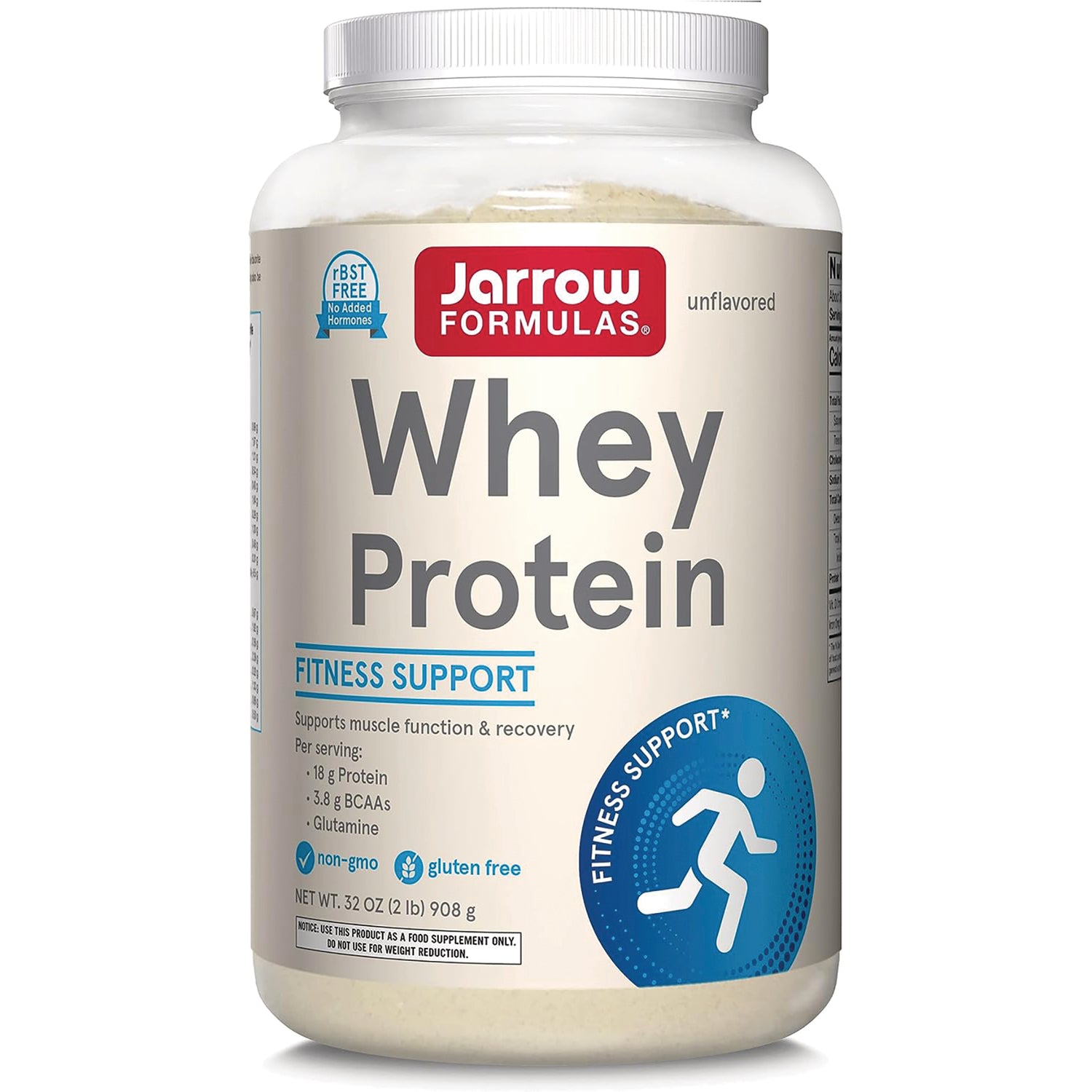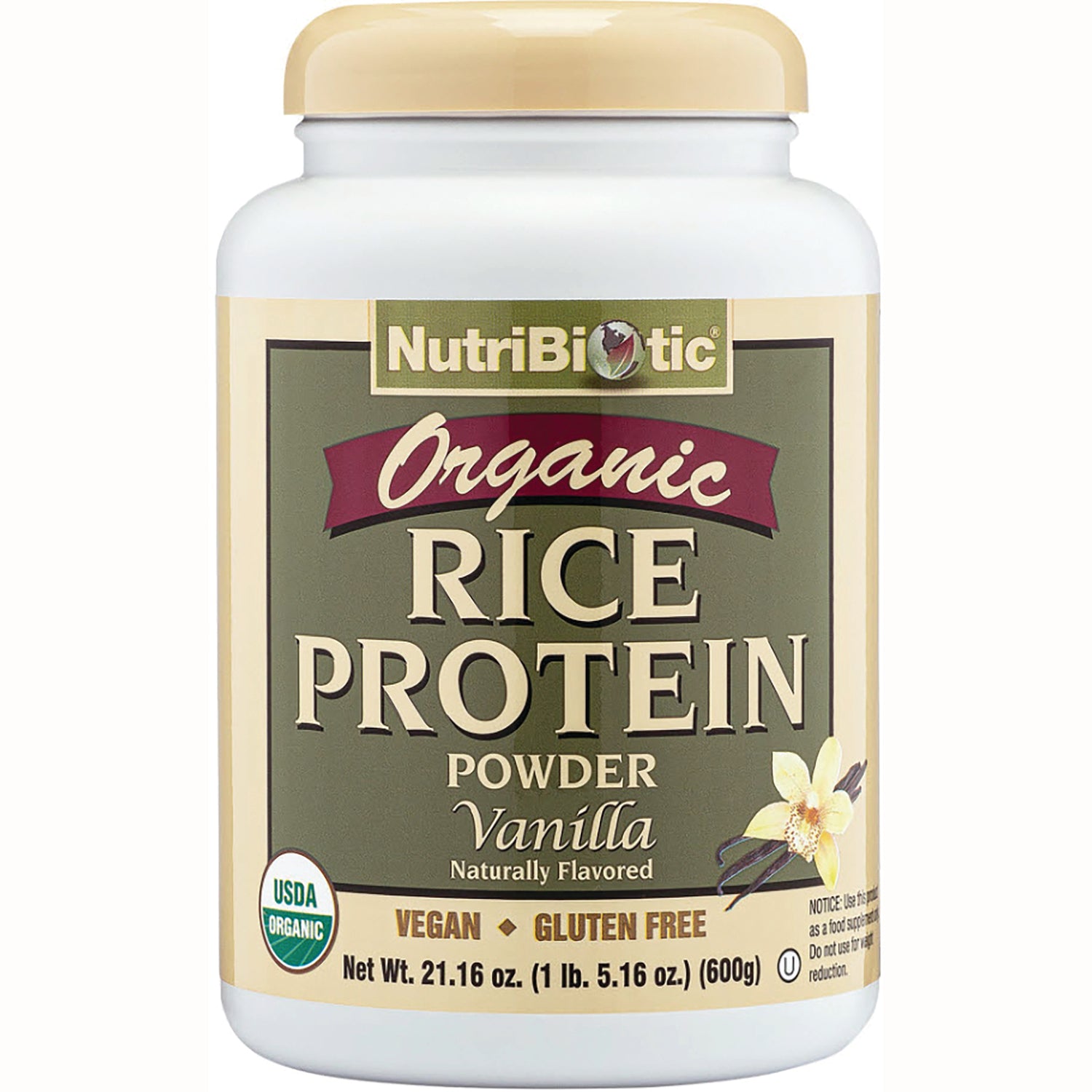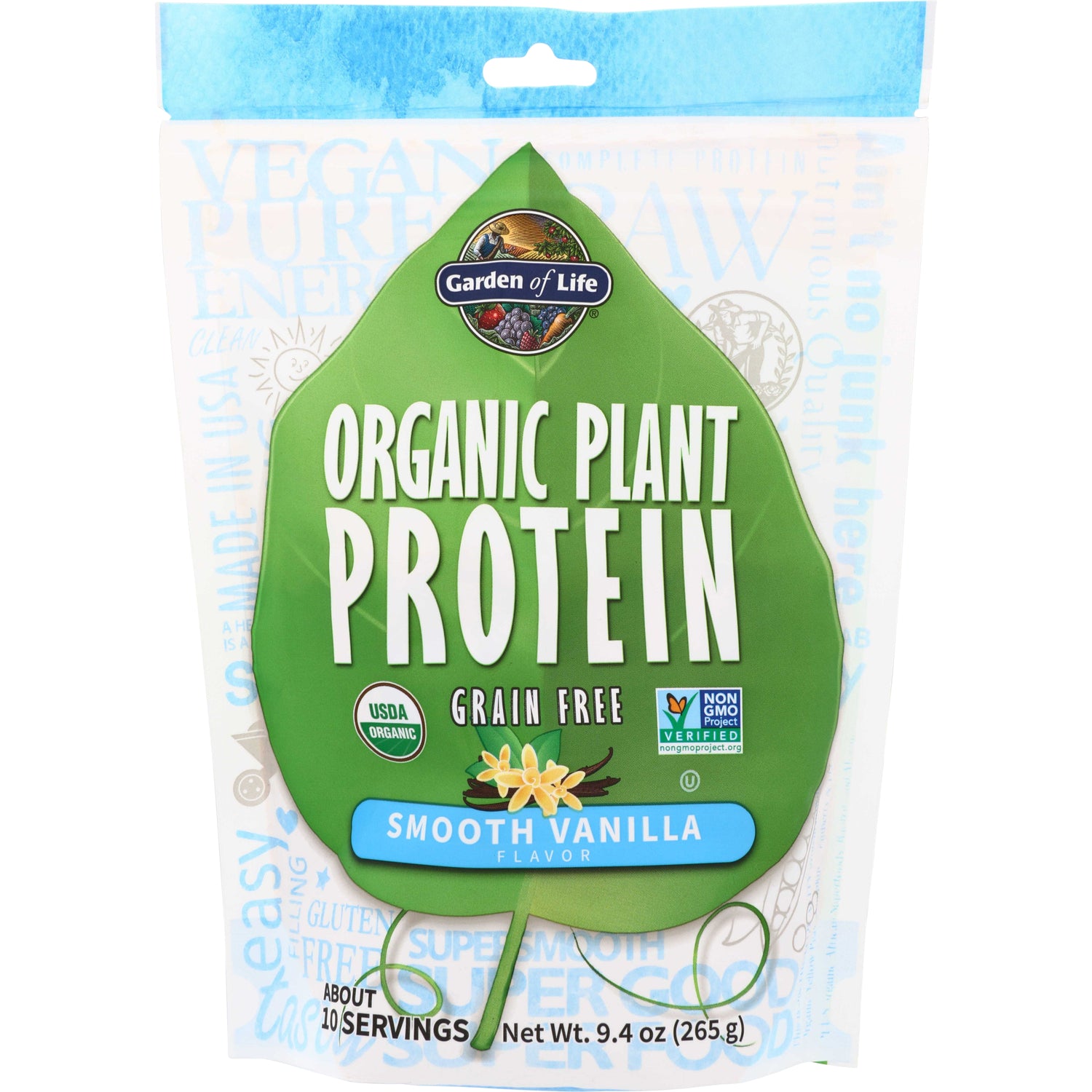
Many people start using protein powder to support training or increase daily protein intake, only to notice bloating, gas, or even loose stools soon after shaking a scoop with milk or water. These digestive changes often lead to questions about whether lactose intolerance, milk allergy, or simply the formula of the powder is involved. Understanding how lactose is digested, how different types of protein powders are made, and which ingredients commonly irritate the gut helps readers make calmer, better informed choices instead of relying on trial and error.
What lactose intolerance means for protein powder users
Lactose intolerance refers to having too little lactase, the enzyme in the small intestine that breaks down lactose, the sugar naturally found in milk and many dairy-based protein powders. When lactose is not fully digested in the small intestine, it moves on to the large intestine, where bacteria ferment it and produce gas and acidic byproducts. This process can lead to abdominal cramping, bloating, and changes in stool consistency for some individuals after drinking whey-based shakes. Research and clinical guidelines commonly describe lactose intolerance as a digestive trait rather than a disease, and note that symptoms can range from mild discomfort to more pronounced gastrointestinal issues depending on enzyme levels and total lactose intake.
Lactose content in different whey protein formats
Not all whey protein powders contain the same amount of lactose, and this difference strongly influences how likely they are to trigger symptoms in sensitive users. Concentrated whey protein (often labeled WPC) typically contains a few percent lactose by weight, which is enough to be noticeable for people with a low threshold for lactose digestion when taken in large scoops or multiple servings per day. Whey protein isolate, on the other hand, is processed more extensively to remove most of the residual lactose, leaving a product that many brands describe as low-lactose or lactose reduced rather than completely free. Some manufacturers also offer formulas labeled as lactose free, but even these can cause issues for certain people because digestive responses vary and other components in the powder, such as milk proteins or additives, may be involved.
When lactose is not the only cause of digestive discomfort
It is easy to assume that every stomach issue after a shake comes down to lactose, yet several other ingredients commonly used in protein powders can influence digestion. Some people react to milk proteins themselves, such as casein or whey, through mechanisms that are different from lactose intolerance and can be related to immune sensitivity. Others notice symptoms when consuming powders rich in sugar alcohols or artificial sweeteners, which are often added to create strong flavors while keeping calorie counts low. These sweeteners can draw water into the gut or be fermented by bacteria, adding to gas and bowel movement changes. A sudden increase in total protein intake, especially in people whose usual diet is relatively low in protein, may also feel heavy on the digestive system until eating patterns adjust.
Plant protein, lactose-free options, and label reading
For readers who know they react to lactose or who simply prefer to avoid dairy, plant-based protein powders made from peas, soy, rice, or mixed plant sources provide alternatives that do not naturally contain lactose. These products are often marketed as vegan or dairy free and may also include fiber, which changes how the shake feels in the stomach and how quickly it passes through the gut. When comparing powders, it is helpful to look beyond the main protein source and check for added sweeteners, thickeners, and flavoring agents, since these can affect tolerance as much as lactose content. Users with a history of milk allergy, rather than lactose intolerance, are generally advised in medical literature to avoid powders derived from cow's milk altogether and discuss suitable options with a healthcare professional.
Practical tips for reducing digestive strain from shakes
Every digestive system responds a little differently, but several practical habits often appear in expert commentary and user experience reports. Taking smaller servings spread throughout the day instead of large single shakes may feel more comfortable when someone is still learning how their body reacts. Mixing protein powder with cooler liquids rather than very hot water can help maintain texture and reduce clumping, which some users find easier to drink and perceive as lighter on the stomach. Combining shakes with solid food rather than drinking them on an empty stomach can change the speed of digestion and the overall sensation in the gut. Gradually increasing total protein intake over days or weeks, rather than making a sudden jump, gives the digestive system more time to adapt.
Distinguishing lactose intolerance from milk allergy
Lactose intolerance and milk allergy sometimes get mentioned in the same conversation, but they describe different processes and carry different considerations for protein powder use. Lactose intolerance involves reduced enzyme activity in the gut and is usually discussed in terms of digestive symptoms such as gas and bloating after dairy products. Milk allergy, in contrast, is an immune reaction to proteins found in cow's milk, and can present with skin, respiratory, or more systemic signs in addition to digestive changes. Because of this distinction, guidance from clinicians commonly emphasizes that people with suspected allergy should seek medical evaluation before experimenting with dairy-based powders, while those with lactose intolerance may focus more on adjusting serving sizes, choosing low-lactose or plant-based options, and monitoring how they feel over time.
General advice and the importance of professional input
Articles about protein powders and digestion are meant to offer general background so readers can have more structured conversations about what they are experiencing, not to replace tailored medical advice. Persistent or severe symptoms, unexplained weight changes, or reactions that appear quickly and intensely after consumption are all situations where healthcare professionals can provide individual assessment. Nutrition specialists and physicians may suggest dietary adjustments, enzyme supplements, or alternative protein sources depending on the person’s overall health profile and goals. For everyday users choosing between whey concentrate, isolate, and plant protein, the most practical approach is usually to read labels carefully, start with modest servings, observe responses, and remember that these considerations are part of broader health decisions that benefit from professional guidance.