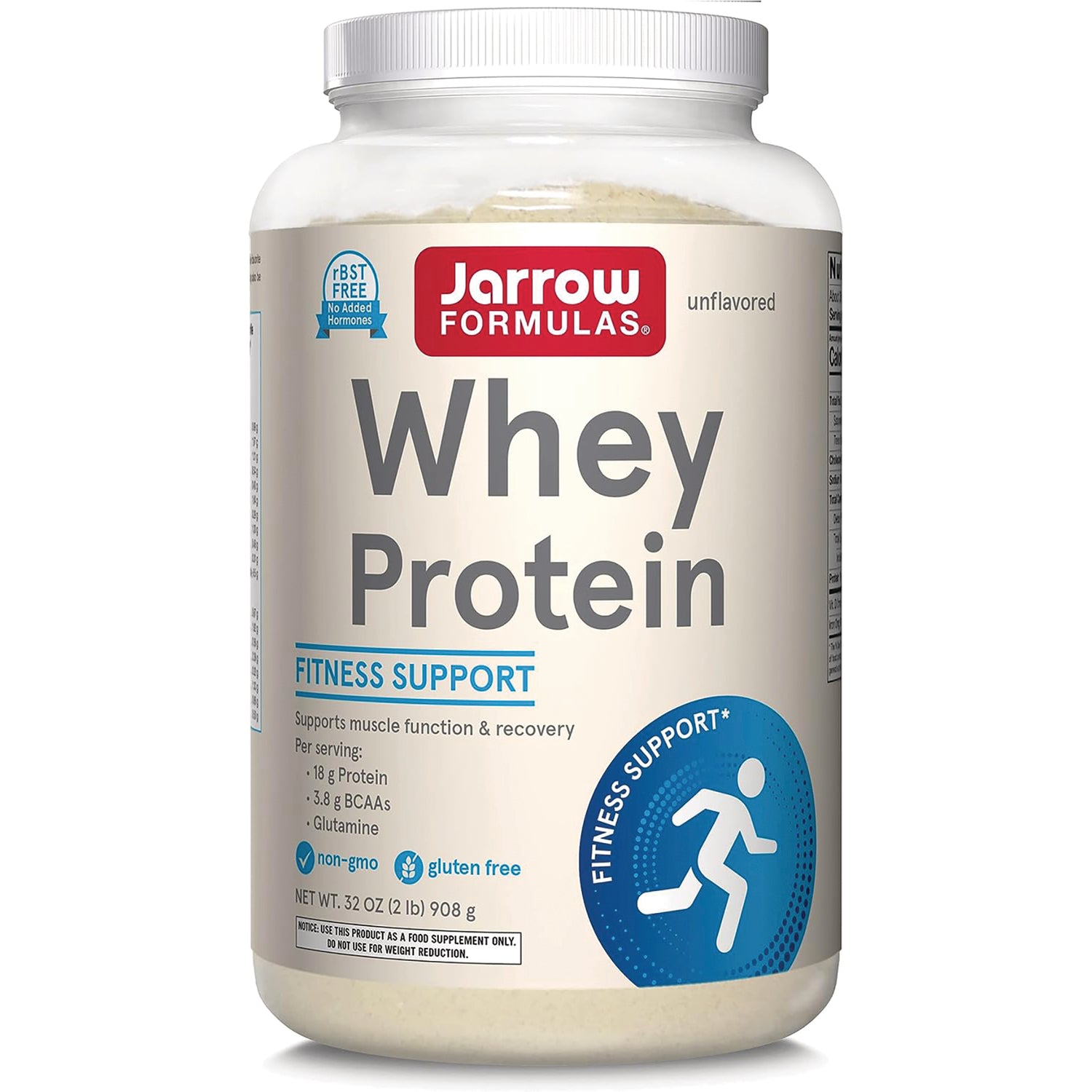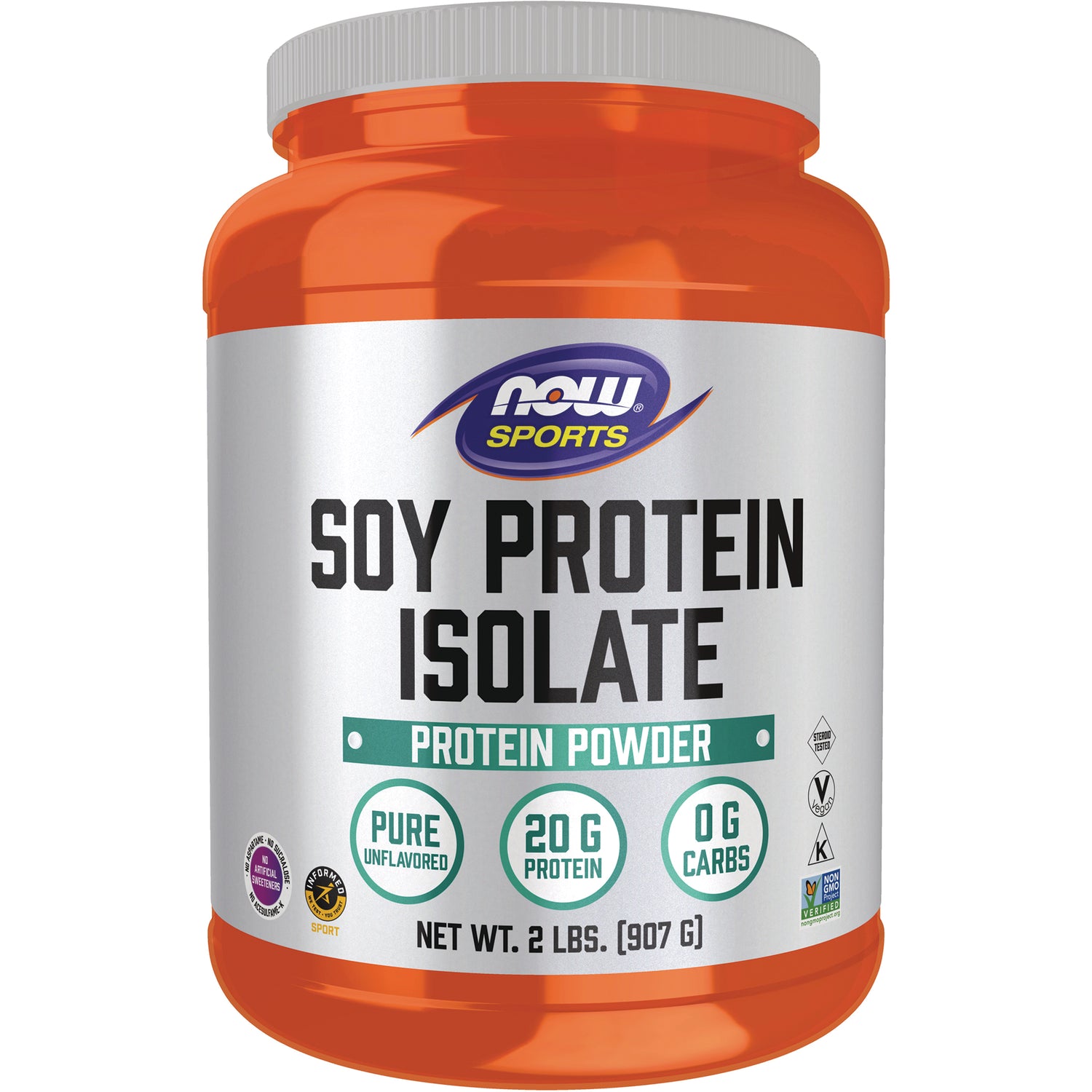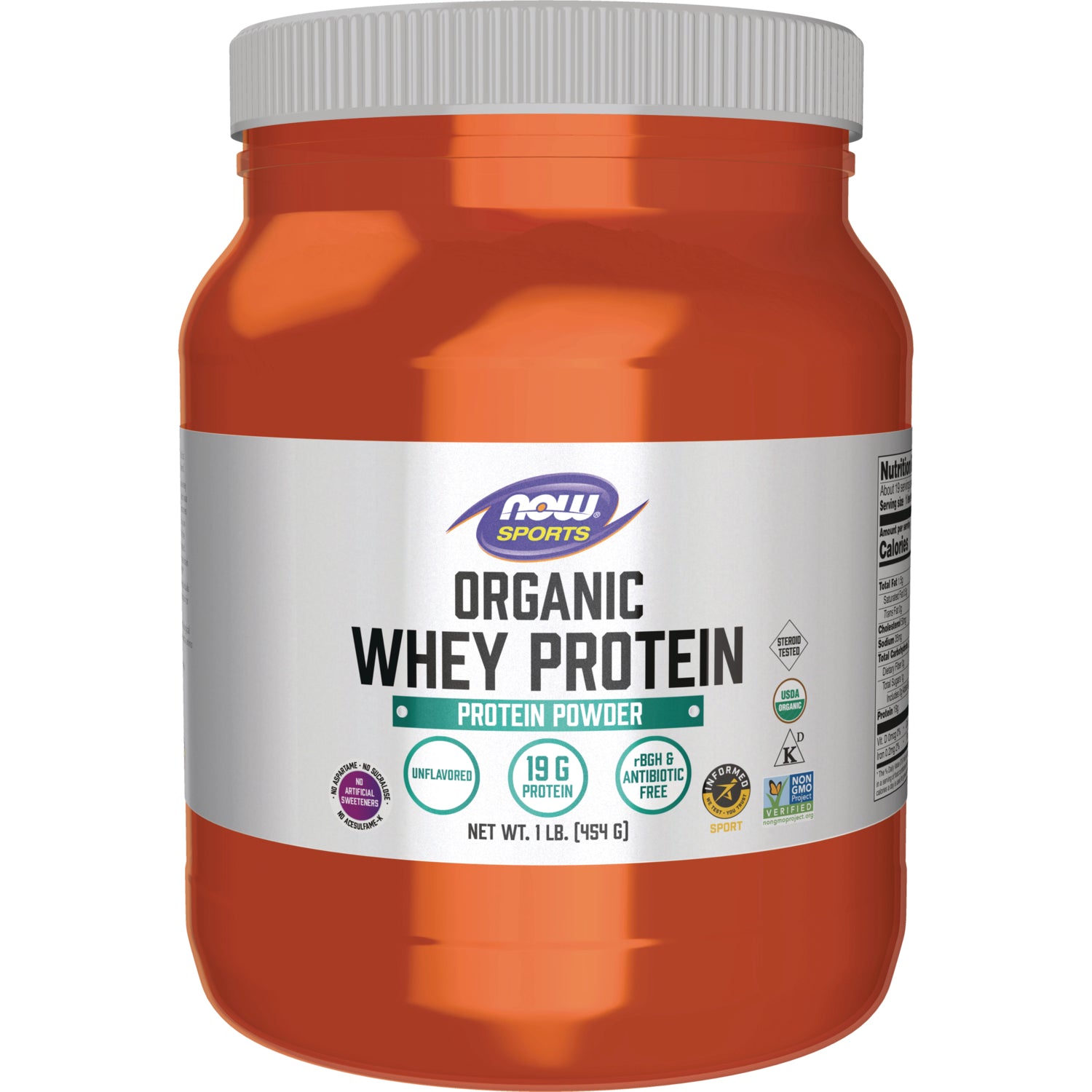
Many people compare whey protein and soy protein when looking for a convenient way to increase daily protein intake. Both can be found in protein powder, ready-to-drink shakes, and snack bars, yet they differ in taste, digestion, and who they suit best. For someone who trains regularly, has lactose intolerance, or follows a plant-based diet, the choice can feel confusing because marketing messages often sound similar. This article walks through the main differences in nutrition, absorption speed, practicality, and typical use cases, so readers can match the product to their own goals rather than follow a one-size-fits-all trend. All information is for general education only and does not replace individual advice from healthcare or nutrition professionals.
Basic nutrition: what whey and soy have in common
From a nutrition standpoint, both whey protein and soy protein are considered complete proteins, meaning they contain all nine essential amino acids that the body cannot produce on its own. This makes each of them suitable as a primary protein source in a shake or snack, especially for people who may not meet their needs through daily meals. Whey is derived from milk during cheese production, while soy protein comes from soybeans, which are processed into concentrates or isolates. In terms of pure protein content, whey concentrate and soy isolate can be fairly similar per serving, although exact numbers depend on the brand and formulation. Because of this shared completeness, the decision is less about which is universally better and more about which fits an individual’s digestion, ethics, and routine.
Absorption speed and training goals
One of the most discussed differences is digestion and absorption speed. Whey protein is generally absorbed faster, which is why many strength and power athletes like to use it right after intense training sessions. Faster absorption means amino acids appear in the bloodstream more quickly, which can be useful when someone wants a convenient post-workout drink. Soy protein, on the other hand, digests a bit more slowly and may provide a more gradual amino acid release, especially when consumed as part of a mixed meal. Some people prefer this profile for between-meal shakes or evening snacks when they want to feel satisfied for longer. Research comparing muscle outcomes usually finds that total daily protein intake, overall diet quality, and training program matter more than the exact minute-by-minute absorption difference, as long as protein targets are met consistently over time.
Amino acid profile and muscle-building potential
Although both are complete proteins, their amino acid profiles are not identical. Whey protein tends to be especially rich in branched-chain amino acids, particularly leucine, which is closely associated with muscle protein synthesis in resistance training contexts. This is one reason whey is popular among gym-goers who focus heavily on hypertrophy and strength. Soy protein still provides all essential amino acids, but with a slightly different balance, including relatively lower leucine and higher amounts of arginine and some other amino acids. Studies comparing whey and soy often show similar outcomes when total protein intake is matched and training is structured, though some trials report a modest advantage for whey in certain muscle or strength metrics. Readers should note that results can vary between individuals, and factors like sleep, total calories, and training quality can easily outweigh the modest differences between these two protein sources.
Digestive comfort, allergies, and intolerances
Digestive tolerance is a key practical factor when choosing between whey and soy protein. Whey protein comes from dairy, so people with lactose intolerance may feel bloating, gas, or discomfort if they use whey concentrates that contain more lactose. Whey isolates typically contain less lactose and may be better tolerated, but they are still not suitable for individuals with true milk protein allergy. Soy protein is dairy-free and fits vegan, vegetarian, and lactose-free diets, yet soy itself is a common allergen in some populations. People with soy allergy should avoid it entirely and choose other plant-based proteins like pea or rice instead. For those without allergies, some find soy-based products slightly heavier due to fiber or added ingredients, while others find whey-based shakes too rich. Trying small servings, checking ingredient lists for sugar alcohols or artificial sweeteners, and paying attention to personal reactions are often more useful than purely relying on product labels.
Lifestyle, ethics, and dietary patterns
Beyond nutrition, lifestyle and values strongly shape the choice between whey protein and soy protein. Whey is an animal-derived product and aligns with omnivorous or vegetarian diets that allow dairy, making it common in mainstream sports nutrition products. Soy protein, because it is plant-based, is more compatible with vegan or plant-forward eating patterns and is often chosen by people who prefer to reduce reliance on animal products for environmental or ethical reasons. In practical daily life, someone who drinks soy milk, eats tofu, and uses other legumes may find it easy to integrate soy-based protein powder into smoothies or cooking. Conversely, those who already consume yogurt, cheese, or milk may feel that a whey shake after training fits naturally into their routine. Neither choice is inherently superior for everyone; alignment with personal diet philosophy and long-term sustainability is often more important than small technical differences.
Taste, texture, and product variety
Taste and texture often decide what people consistently use. Whey protein powders tend to mix smoothly with water or milk, creating a creamy texture that many people associate with milkshakes. They are widely available in flavors like chocolate, vanilla, and coffee, and manufacturers frequently release limited-edition dessert-style flavours. Soy protein can have a slightly beany or grainy note, especially in simpler formulas without heavy flavoring. Modern products have improved a lot in this respect, sometimes blending soy with other plant proteins to create a smoother mouthfeel and more neutral taste. For home use, some people enjoy adding soy protein to oatmeal, pancakes, or baked goods, while whey is often used mainly as a shake. Choosing a small package first, trying unflavored versions with personal add-ins like fruit or cocoa, and reading ingredient lists for sweeteners or artificial flavors can help readers find an option they truly enjoy using regularly.
How to choose for different goals
To translate these differences into everyday decisions, it is helpful to think in terms of common goals. Someone focused on intensive strength training, who tolerates dairy well and values convenience, may lean toward whey protein for post-workout shakes because of its fast absorption and high leucine content. A person following a vegan diet, managing cholesterol intake, or simply preferring plant-based options may favor soy protein as a core protein source across the day. For those mainly concerned with satiety and weight management, both can play a role; soy’s slightly slower digestion and common pairing with higher-fiber ingredients may feel more filling for certain individuals, while whey shakes can be useful as structured snack replacements. In all cases, consulting a registered dietitian or healthcare professional is advisable, especially for people with kidney issues, hormone concerns, or complex medical conditions, since this article is for general information only and does not provide personalized medical or nutrition advice.
Practical tips and final considerations
Instead of asking which protein is universally best, a more useful question is which one readers can use comfortably, consistently, and in line with their broader eating habits. A practical approach is to define daily protein needs based on body weight, activity level, and health status with professional guidance, then use whey or soy protein mainly as a convenient supplement to whole foods like legumes, eggs, fish, or tofu. Rotating between whey and soy, or combining them with other protein sources such as pea or casein, can offer variety in taste and amino acid profiles. Paying attention to additive lists, sugar content, serving size, and cost per gram of protein can also prevent unnecessary spending on flashy marketing. Ultimately, both whey protein and soy protein are tools; when used thoughtfully, either can support many different lifestyles and training routines, but decisions should be revisited over time as bodies, goals, and preferences change.