Age-related vision changes are common, but nutrition is only one part of a broader eye-care plan. For older adults, meals built around leafy greens, colorful vegetables, fruit, fish, legumes, nuts, and adequate protein can provide nutrients associated with retinal health while also supporting general dietary quality. The goal is not to promise sharper sight or replace clinical care; it is to make everyday food choices more consistent and practical. Regular eye examinations, management of medical conditions, medication review, physical activity, and protection from tobacco smoke remain important parts of the same plan.
Why nutrition matters as vision changes with age
The retina and macula are specialized tissues that require oxygen, energy, and a steady supply of nutrients. Aging can also bring changes in appetite, chewing ability, taste, mobility, income, and the capacity to prepare meals. These factors may lead to repetitive or nutrient-poor eating patterns, especially when an older person lives alone or depends on convenience foods. A balanced pattern does not diagnose or reverse an eye condition, but it can provide a dependable foundation for overall health. Anyone with new distortion, a sudden increase in floaters, flashes, a curtain-like shadow, or rapid vision loss needs prompt professional assessment rather than dietary experimentation.
A practical plate can include dark leafy vegetables, a source of protein, a whole-grain or starchy food, and fruit or another colorful vegetable. Frozen vegetables, canned fish with lower sodium, prewashed greens, beans, and unsalted nuts may be useful when shopping or cooking is difficult. Texture can be adapted through soups, stews, soft grains, or chopped ingredients. These changes are often more sustainable than purchasing multiple products marketed for eyesight.
Lutein and zeaxanthin in everyday foods
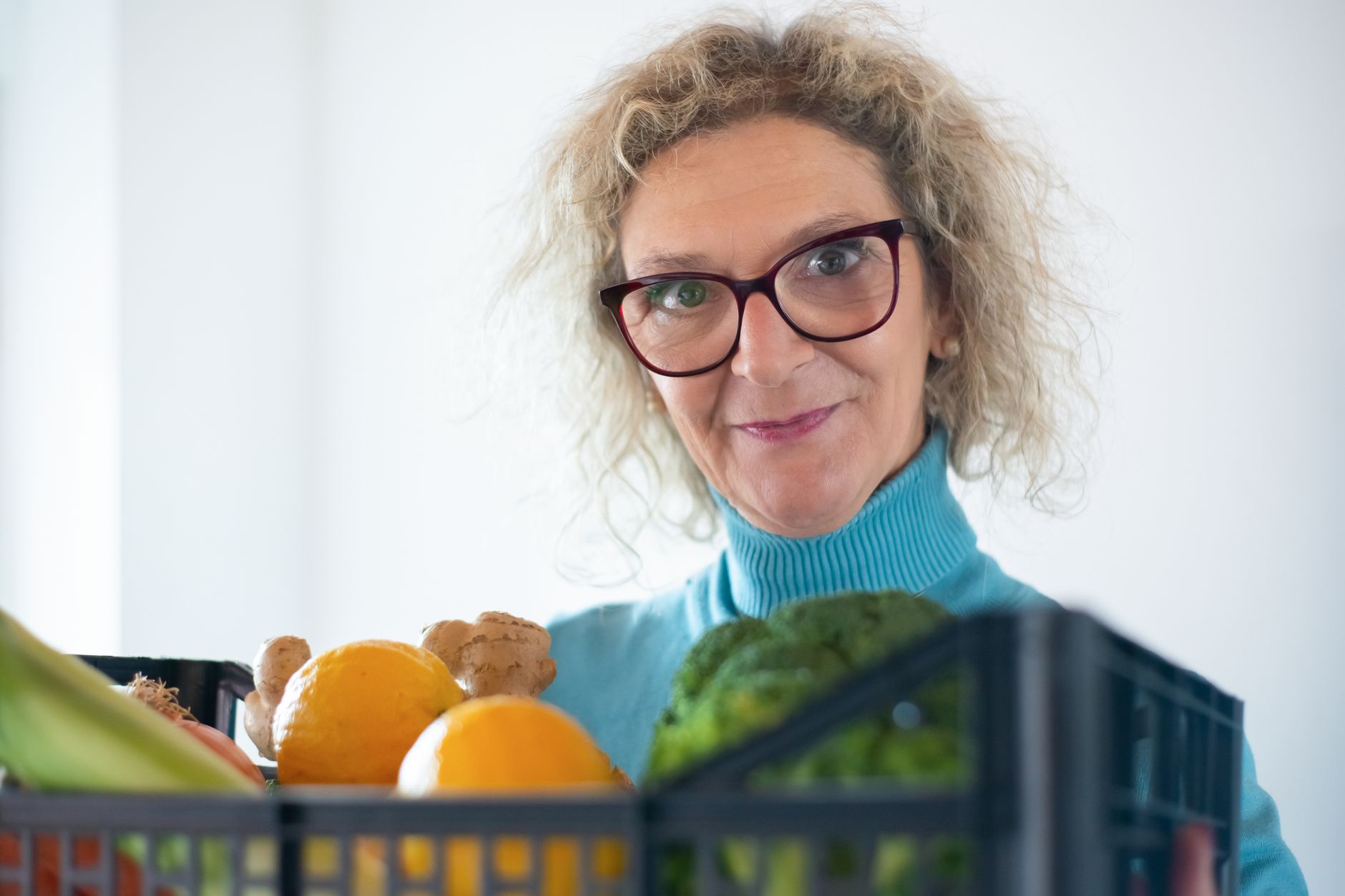
Lutein and zeaxanthin are carotenoids found in the macula. The American Academy of Ophthalmology identifies leafy greens such as kale, spinach, and Swiss chard as food sources. Other options include broccoli, peas, corn, egg yolks, and certain orange or yellow vegetables. Food preparation can be flexible: chopped greens can be added to an omelet, beans can be mixed into a soup, and frozen spinach can be combined with whole-grain pasta or a soft grain bowl.
A useful approach is variety rather than a single “superfood.” For example, an older adult might have spinach with eggs at breakfast, lentil soup with vegetables at lunch, and salmon with cooked greens at dinner. Dietary intake is not the same as a high-dose supplement, and food does not provide a guaranteed outcome for a particular eye condition. People who take warfarin or other medicines, have kidney disease, or follow a medically restricted diet should discuss major dietary changes with a qualified clinician or dietitian.
Fish, plant foods, and a balanced meal pattern
Fish such as salmon, sardines, trout, and mackerel provide omega-3 fatty acids, including DHA and EPA, while beans, lentils, nuts, seeds, and whole grains add fiber and plant nutrients. The evidence does not support treating omega-3 capsules as a universal answer for age-related macular degeneration. In the AREDS2 trial, adding omega-3 fatty acids to the study formula did not produce an overall additional effect on progression risk. This distinction matters because a nutritious food pattern and a targeted supplement are not interchangeable.
For households that eat little fish, lower-mercury choices and plant proteins can make meals easier to plan. A simple weekly structure might include fish once or twice, beans on several days, unsalted nuts as a snack, and vegetables at both lunch and dinner. People with swallowing difficulties, diabetes, heart failure, food allergies, or limited kidney function may need individualized portions and ingredient choices. The best plan is one that fits medical needs, budget, culture, and the older adult’s ability to shop and cook.
Understanding AREDS2 supplements
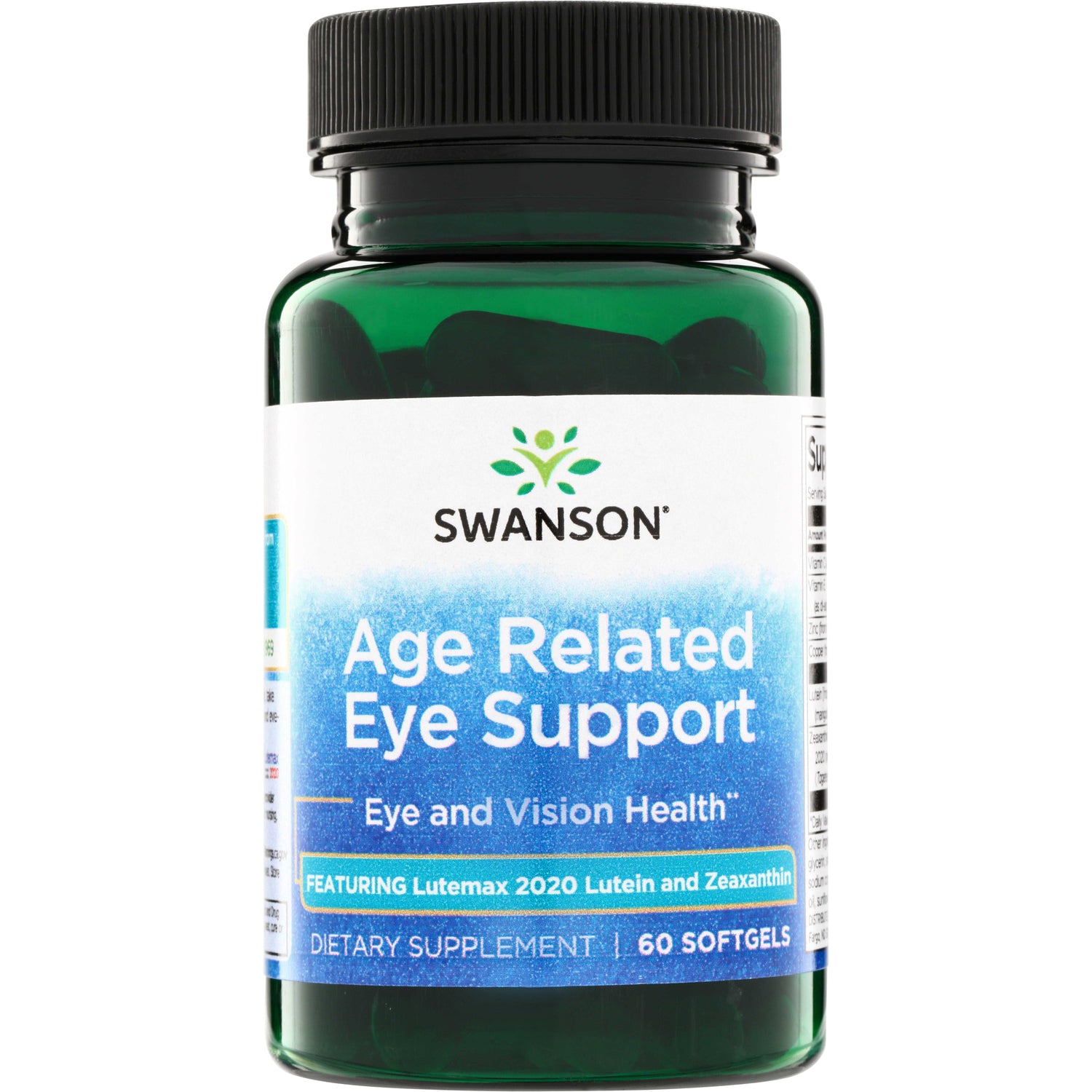
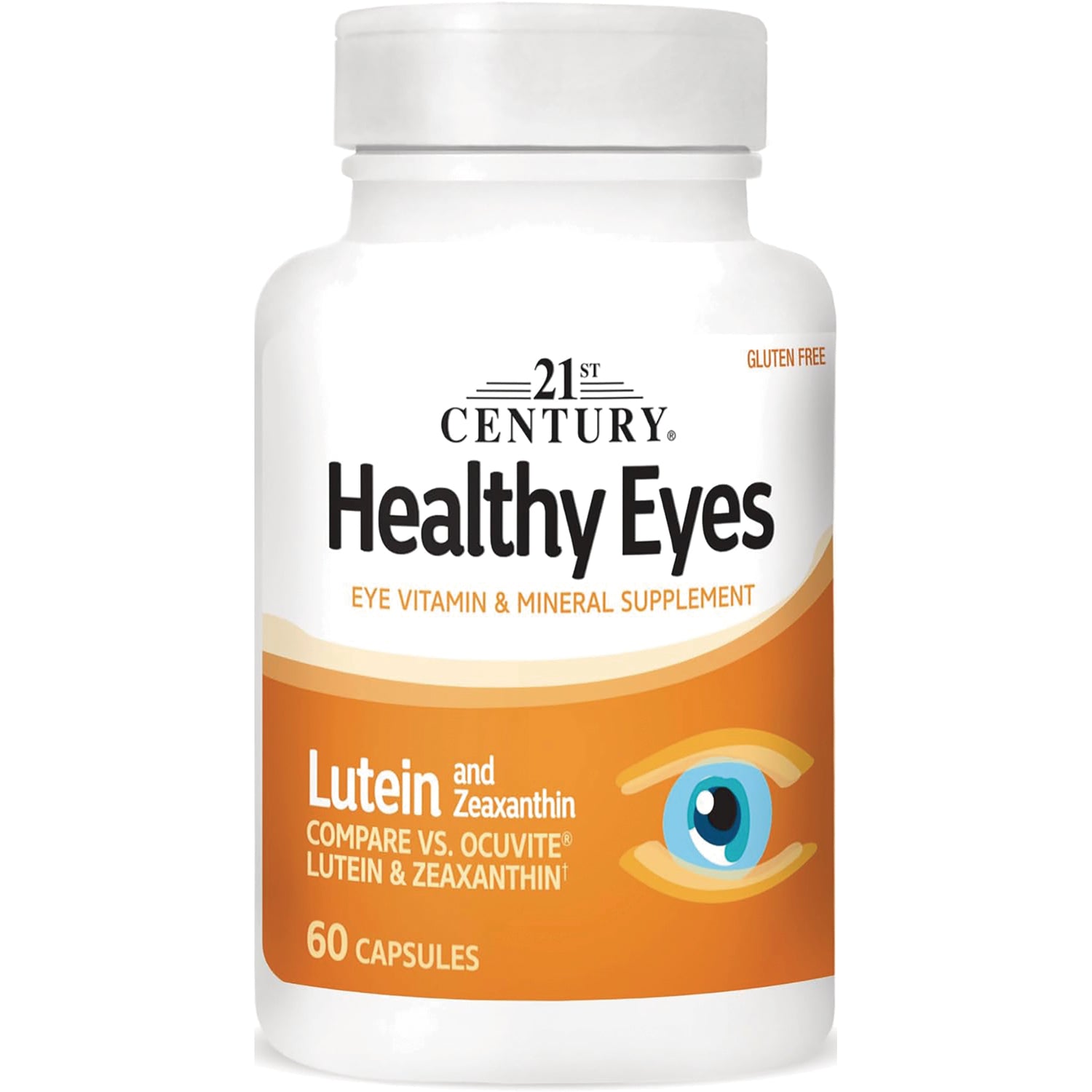
AREDS2 is not an ordinary multivitamin and is not intended for every person with aging eyes. The National Eye Institute reports that AREDS and AREDS2 formulas benefited people with intermediate or late age-related macular degeneration, while they did not benefit people with early disease or people without AMD. The AREDS2 formula includes vitamin C, vitamin E, zinc, copper, lutein, and zeaxanthin; these amounts are difficult to reproduce through regular food or a standard multivitamin.
A supplement decision should follow an eye examination and a clinician’s assessment of disease stage. A product label alone cannot determine whether the formula is appropriate. Beta-carotene was removed from AREDS2 because of concerns about lung cancer risk in people who smoke or formerly smoked. Zinc can also interact with individual medical circumstances, and high-dose products may be unsuitable alongside certain medicines or conditions. Supplements should therefore be treated as a clinical decision, not as a routine purchase for general prevention.
A realistic daily routine for older adults
Consistency often matters more than complicated recipes. A breakfast of eggs with cooked greens and whole-grain toast, a lunch of bean soup with fruit, and a dinner of fish or tofu with vegetables creates several opportunities for nutrient-dense foods without requiring specialty products. Water, regular meal timing, and adequate protein may also matter when appetite is low. Caregivers can use large-print labels, contrasting plates, organized cupboards, and batch cooking to make meals easier for someone with limited vision.
Shopping lists should focus on accessible staples: frozen leafy greens, carrots or peppers, beans, eggs, fish, fruit, oats, brown rice, and unsalted nuts. If chewing is difficult, vegetables can be softened and proteins flaked or minced. If fatigue or low vision makes cooking unsafe, prepared meals can be selected by checking sodium, added sugar, protein, and vegetable content. These strategies support independence without implying that food alone can control an eye disease.
When professional advice is especially important
A registered dietitian, pharmacist, primary-care clinician, or eye-care professional can help align nutrition with diagnoses and medicines. Extra care is appropriate when an older adult has intermediate or late AMD, takes anticoagulants, has kidney or liver disease, smokes or previously smoked, experiences unintentional weight loss, or cannot manage regular meals. A sudden change in central vision, new wavy lines, flashes, a dark curtain, or rapid loss of sight requires timely eye-care evaluation.
Nutrition guidance is informational and not a substitute for personalized medical advice. A clinician can review retinal findings, medication interactions, supplement ingredients, and laboratory considerations before recommending a product. The most dependable strategy is a coordinated plan: scheduled eye examinations, a varied eating pattern, safe food preparation, appropriate management of existing conditions, and a clear understanding of when symptoms need urgent attention.
Aging does not make every visual change a nutrition problem, and no single nutrient can carry the entire burden of eye care. A varied diet with leafy greens, colorful produce, protein foods, and fish where appropriate is a sensible foundation, while AREDS2 should be considered only when an eye-care professional identifies a relevant clinical indication. Older adults and caregivers can begin with small, practical changes—adding one vegetable to a familiar meal, keeping easy protein options available, and reviewing supplements during routine appointments. This approach keeps expectations realistic and places nutrition within comprehensive, individualized eye care.