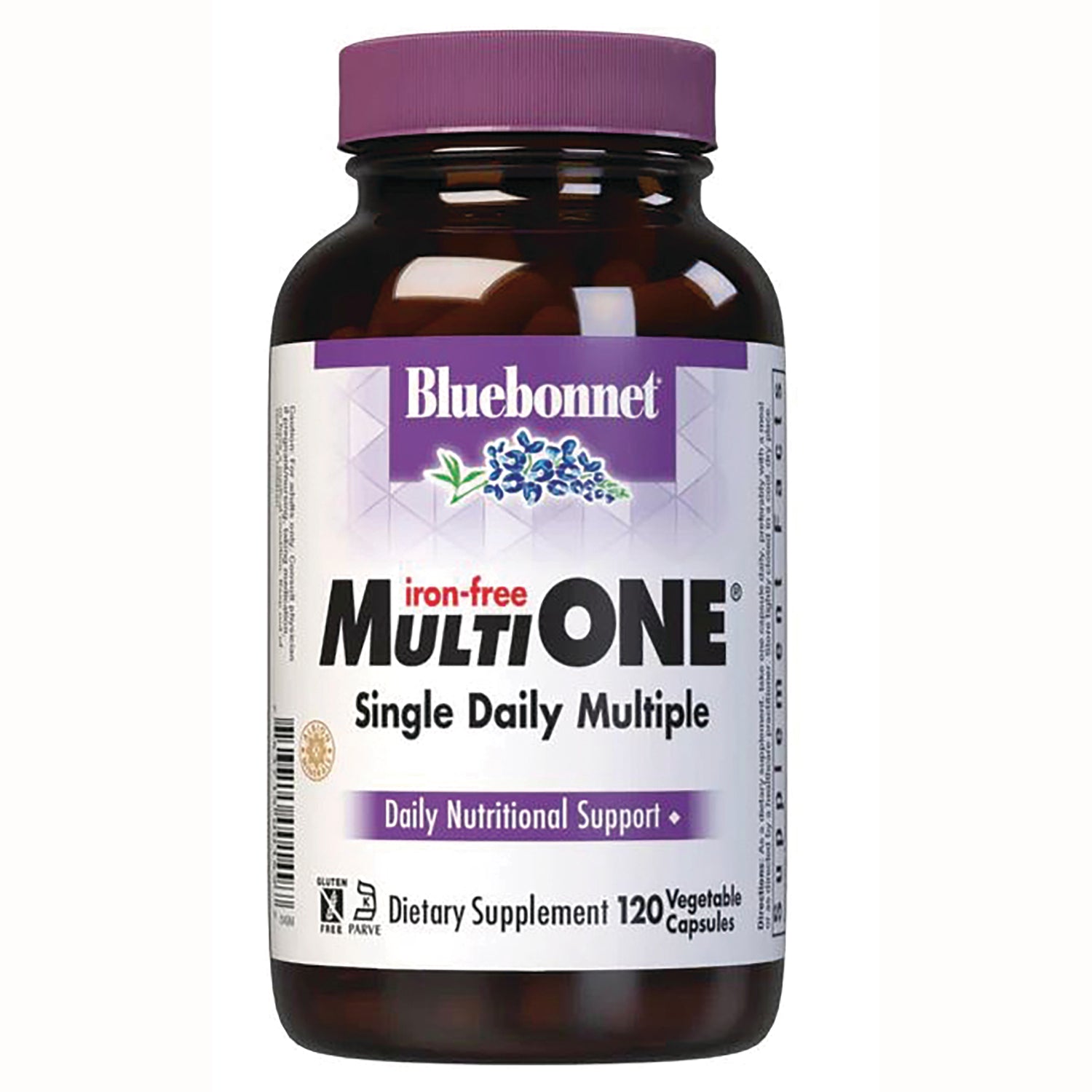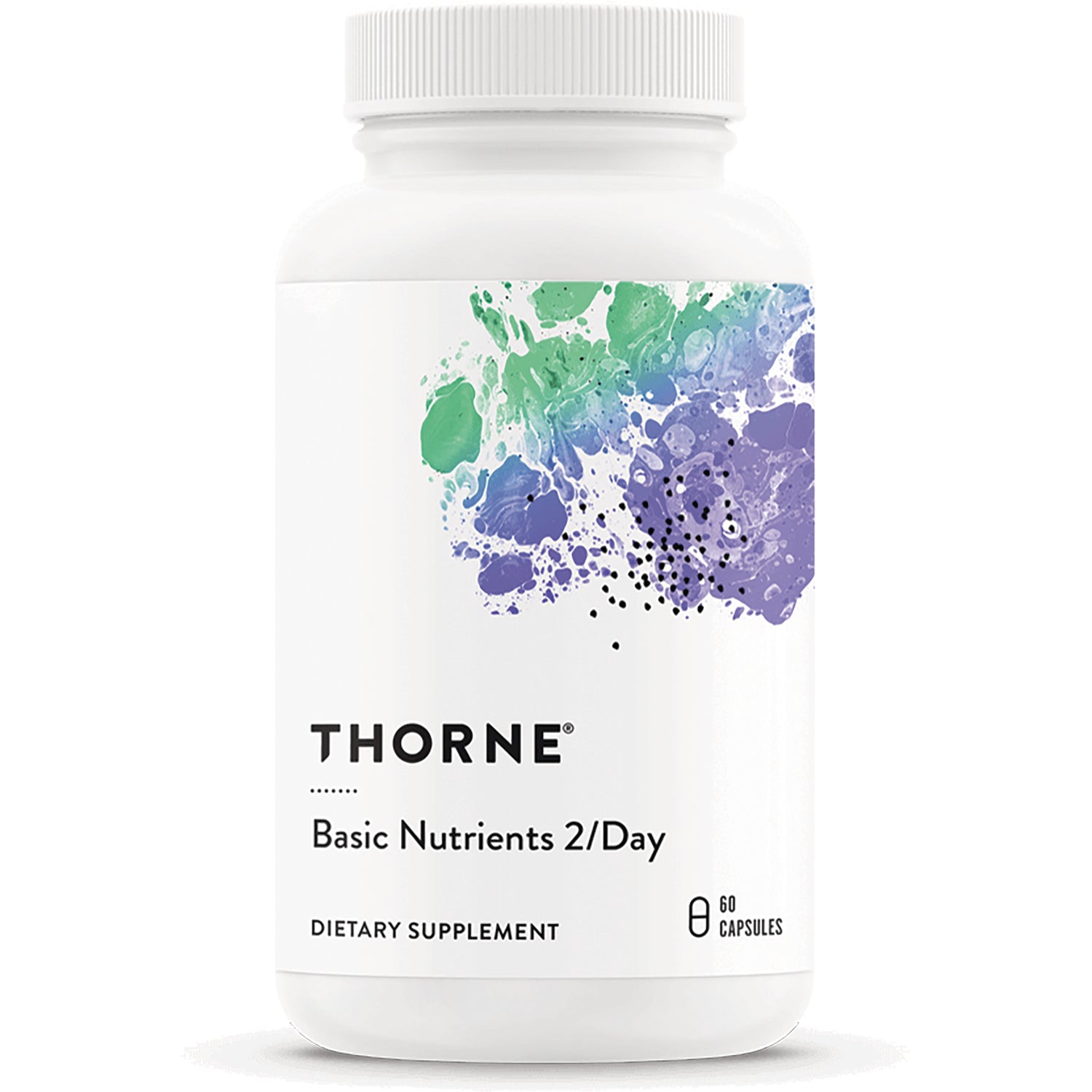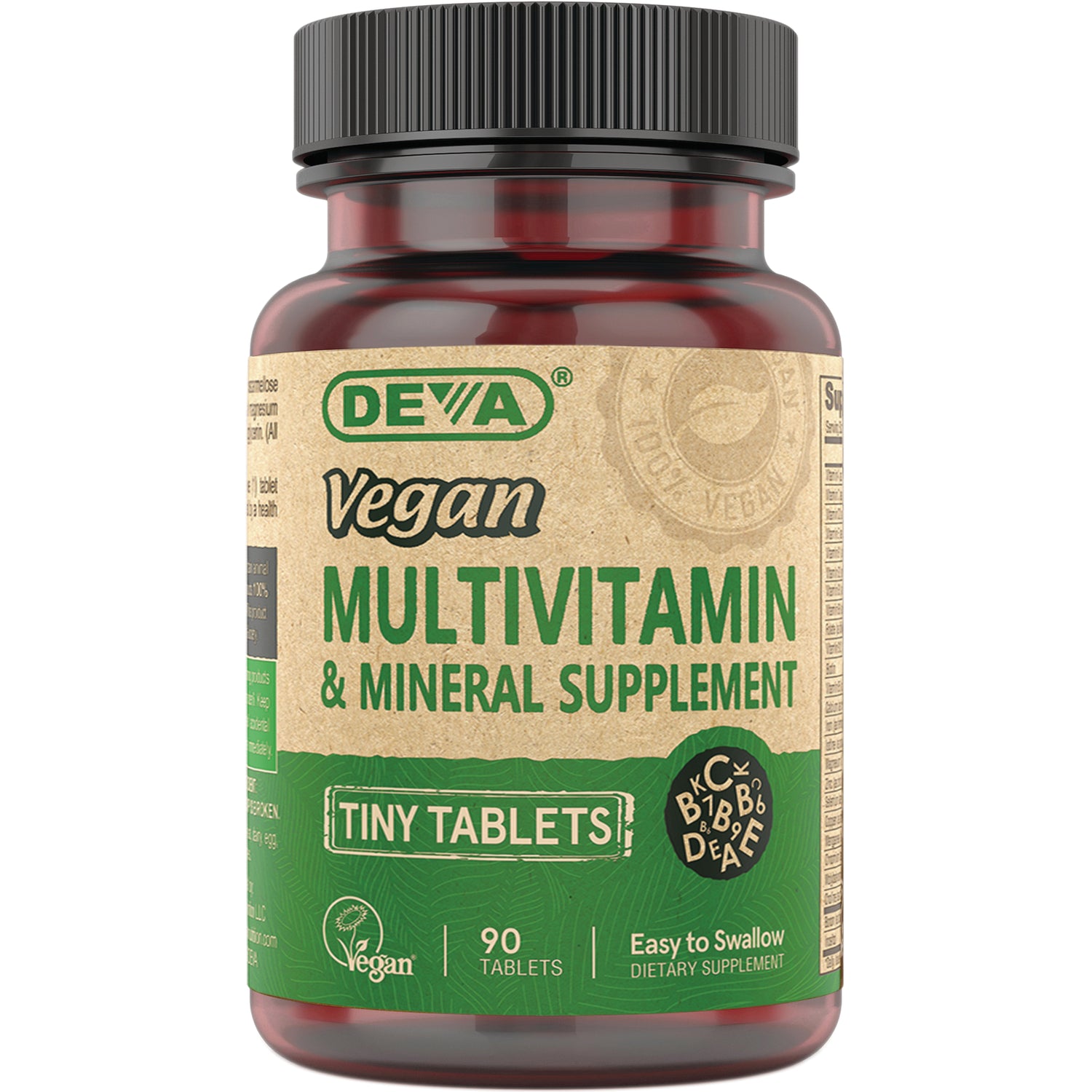
Many people stand in front of a supplement shelf and hesitate between a single-ingredient product and a combo formula. Both choices can be reasonable, but they fit different situations, budgets, and habits. Instead of asking which one is universally better, it is more practical to ask which option aligns with a person’s diet, health goals, and ability to follow a daily routine. This article walks through the main differences, typical use cases, and key questions to ask before buying, with a reminder that any supplement decision is only one part of an overall lifestyle and should not replace professional medical advice.
What are single-ingredient supplements?
Single-ingredient supplements usually contain one main nutrient or active component, for example vitamin D, magnesium, or omega-3 from fish oil. Because the formula is simple, the label is easier to read, and users can clearly see what they are taking and in what amount. Many people choose this type when a specific lab test or health check has highlighted one nutrient as a focus, or when a health professional has suggested a clear target for intake. Single-ingredient products also make it possible to build a more personalized stack by adding or removing one bottle at a time as needs change over the year.
What are combo supplement formulas?
Combo supplements bring several nutrients or plant extracts together into one capsule, tablet, or powder. A typical example is a multivitamin that includes a broad mix of vitamins and minerals in daily amounts. Other formulas might focus on a theme such as eye health, exercise performance, or busy work schedules, and combine ingredients that are often discussed for that area. For many users, the main attraction is convenience: fewer bottles on the kitchen counter, fewer pills to remember each day, and often a simpler monthly budget to track. Some formula designs also aim to pair nutrients that are commonly taken together in daily routines.
Benefits and trade-offs of single-ingredient products
Single-ingredient products give very clear control over dosage. When only one nutrient is present, it is easier to compare the label with expert guidelines or medical advice and adjust the daily amount within a suggested range. The simpler formula may also make it easier to notice patterns, such as how someone feels after changing dose or pausing use for a few days. On the other hand, building a plan only with single-ingredient bottles can lead to a large number of products on the shelf, which some people find hard to manage. If habits are inconsistent, this type of plan might be followed irregularly, making it difficult to understand what is working well.
Benefits and trade-offs of combo formulas
Combo formulas often aim to provide coverage for several common nutrients in one step, which can be appealing for people with busy schedules. Instead of checking multiple labels, users mainly need to confirm the daily serving and whether the overall mix matches their age group and lifestyle. However, the presence of many ingredients can mean that some are included in relatively modest amounts. In practice, this may not always match individual needs, especially when someone already gets a lot of a certain nutrient from food or has been advised to watch specific intake levels. It can also be harder to identify which component is responsible when a person notices a new reaction and wants to discuss it with a health professional.
How diet and lifestyle shape the decision
Dietary patterns are one of the most important starting points when choosing between single-ingredient and combo supplements. Someone with a very varied diet who cooks at home frequently might only want to focus on a small number of nutrients that are harder to obtain from food, which can make a single-ingredient approach more suitable. In contrast, people who often eat on the go, have limited access to fresh ingredients, or follow a strict eating pattern such as vegan or very selective low-calorie plans may look to a balanced combo product that addresses several common gaps. Sleep routines, work hours, and exercise habits also play a role, as they influence how many times per day someone realistically remembers to take a product.
Thinking about dosage, timing, and formulation
Regardless of formula type, dosage and timing matter. Labels usually show a suggested serving size, but medical advice may adjust this based on age, kidney or liver function, or other health factors. Single-ingredient supplements often make it simpler to reach a specific target intake because the entire dose listed is dedicated to one nutrient. Combo products, by contrast, distribute the capsule space across multiple ingredients, so each one may be present in smaller amounts. Users also need to consider the formulation, such as whether a nutrient is in tablet, capsule, softgel, or powder form, and whether it is designed to be taken with meals, since this can influence how well a plan fits into daily routines.
When to combine both approaches
In real life, many people do not strictly choose only single-ingredient or only combo products. A common pattern is to use a general combo formula as a base, such as a multivitamin suited to age and life stage, and then add one or two single-ingredient supplements in areas where intake targets are higher. Another situation is temporarily focusing on a single nutrient after a discussion with a health professional, while keeping a broader combo formula at a stable daily dose. This flexible approach requires more attention to labels to avoid repeating the same nutrient in overlapping products, so keeping a simple written list or taking photos of labels can be helpful when visiting pharmacies or clinics.
The role of professionals and personal monitoring
Because supplements can interact with prescription medications or existing health conditions, discussing plans with a doctor, pharmacist, or licensed dietitian is important, especially for older adults, pregnant individuals, or those with long-term conditions. These professionals can review blood tests, current medication lists, and diet habits to suggest whether single-ingredient or combo products are more appropriate in a given period. After starting or adjusting a supplement plan, it is useful to track changes in sleep, digestion, or other daily observations in a simple notebook or app. All information in this article is for general education only and does not replace personalized medical advice or regular check-ups with qualified professionals.