Digital screens, long work hours and constant multitasking make eye fatigue a daily reality for many people. Tired, sore or blurry eyes after a workday are now almost seen as part of modern life, especially for office workers, students and gamers. Yet eye strain is not something that has to be simply endured. By adjusting daily habits, arranging the work environment more thoughtfully and adding simple eye‑friendly routines, many people find that discomfort is lighter and concentration becomes easier. This article looks at practical, easy‑to‑apply strategies to ease eye fatigue. The information is for general wellness only and does not replace advice from an eye doctor or other health professional.
What eye fatigue usually feels like
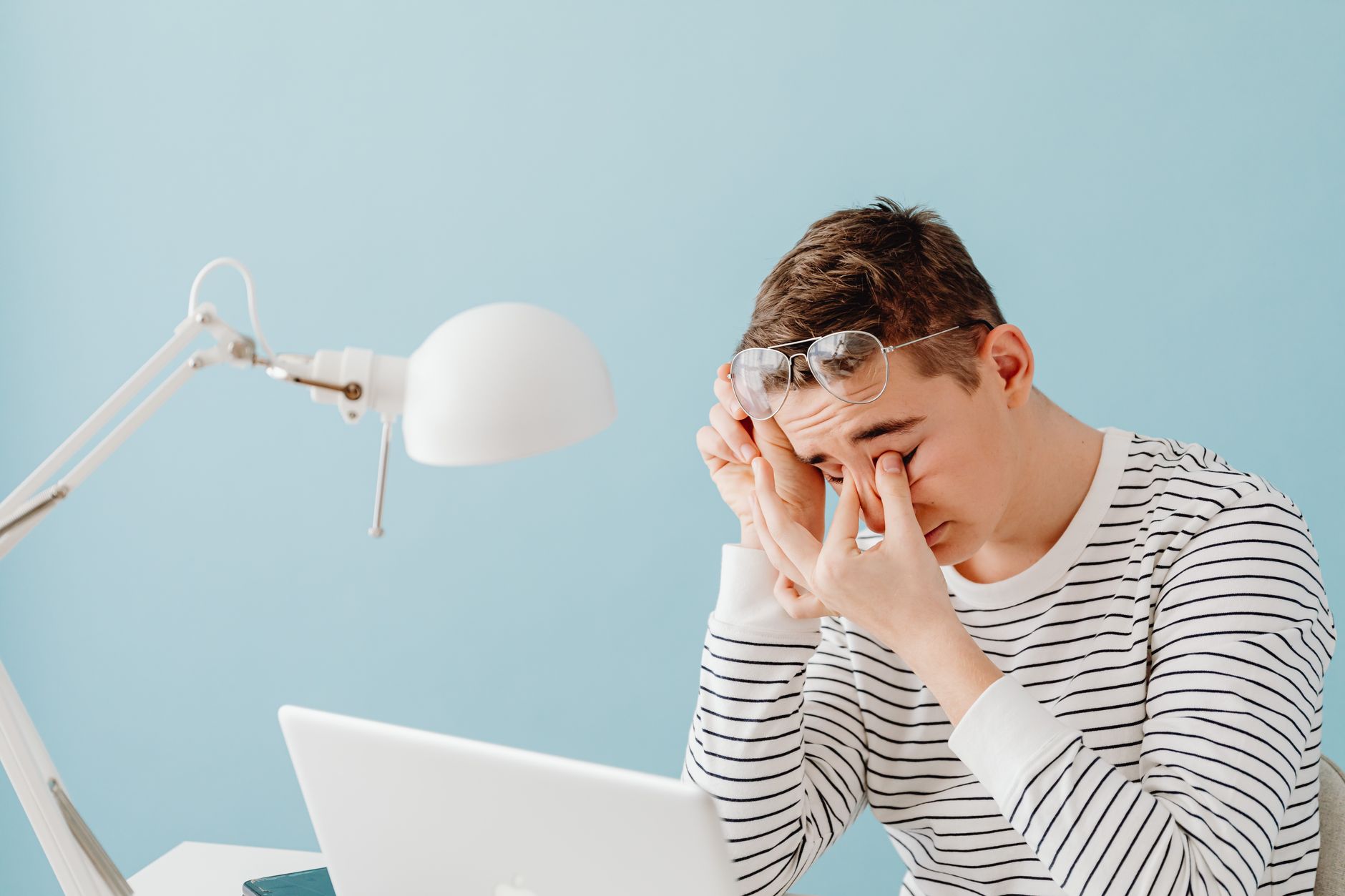
Eye fatigue is not a single symptom but a cluster of sensations that build up over the day. People often report sore or burning eyes, a heavy feeling around the eyelids, blurry or fluctuating vision and difficulty focusing on text or small details after long periods of work. Some notice headaches around the temples or forehead, or shoulder and neck tightness from leaning forward toward the screen. Others feel more sensitive to light at the end of the day, so office lighting or smartphone glare becomes more annoying than in the morning. In many cases, symptoms ease after rest, sleep or a break from close‑up tasks, which is why they are grouped under eye fatigue rather than a specific disease. If discomfort is strong, sudden or does not improve with rest, an eye examination is recommended to rule out other conditions.
Using the 20‑20‑20 rule and planned breaks
One of the most cited tips for easing eye fatigue is the 20‑20‑20 rule. This simple idea suggests that after about 20 minutes of looking at a screen or other close object, a person looks at something roughly 20 feet, or around 6 meters, away for at least 20 seconds. The purpose is to let the focusing muscles in the eye relax instead of constantly staying in a close‑up position. In practice, this can be done by looking out a window at a distant building, a tree or a far wall in the office. Many people find it easier to remember by linking it to natural pauses, such as waiting for a file to load or a meeting to start. Besides the 20‑20‑20 rule, scheduling short breaks of a few minutes every hour to stand up, stretch and blink away from the screen gives both eyes and body a reset. These breaks are not wasted time; they often help productivity by keeping attention steadier across the day.
Adjusting light, screen settings and posture
The environment around the eyes has a strong influence on eye fatigue. Working in a room that is too dim or too bright can make text harder to read, which encourages leaning forward or squinting. A balanced setup uses soft, even lighting and avoids harsh contrast between the screen and background. Many people benefit from placing a desk lamp to the side rather than directly behind the monitor, and from closing blinds if sunlight reflects off the screen. On the screen itself, increasing font size, matching screen brightness to the room and using a comfortable contrast level can make reading feel smoother. Some choose dark mode or reduce blue‑white glare when working at night. Positioning the monitor about an arm’s length away, with the top of the screen at or slightly below eye level, encourages a more natural head and neck posture. For those who work with printed documents, a simple document holder placed next to the monitor reduces repeated head turning and refocusing.
Blinking, moisture and warm compress routines
Concentrating on a screen often leads to less blinking, which means the tear film on the eye’s surface can evaporate more quickly. As a result, some people experience dry eye discomfort such as grittiness, stinging or a feeling that there is sand in the eyes, especially in air‑conditioned or heated rooms. Making a conscious effort to blink fully, not just quick partial blinks, can help the tears spread more evenly. Some find it useful to do “blink sets”: every 20 minutes, close the eyes gently for a few seconds and then open them slowly. For additional comfort, some people use preservative‑free artificial tears after checking with a professional. Another simple routine is a warm compress over closed eyes using a clean towel soaked in comfortably warm water and wrung out. Placing it over the eyelids for several minutes in the evening can feel relaxing after a long day. People who wear contact lenses or have eye conditions should confirm with an eye specialist which practices are appropriate for them.
Simple eye exercises and body relaxation
Gentle eye exercises are often used as short movement breaks rather than strict training tools. One common approach is to sit or stand comfortably, relax the shoulders and slowly move the gaze up, down, left and right, pausing briefly in each direction without forcing the movement. Another is to trace a large imaginary circle or figure eight with the eyes, keeping the motion smooth and avoiding quick jerks. These actions are not meant to change a person’s prescription but may offer a sense of relief simply by changing the direction of focus and encouraging a break from fixed staring. Many people also lightly close their eyes and rest their palms over the bony area around the sockets, without pressing on the eyeballs, while taking several slow breaths. Because eye fatigue is often linked with general tension, stretching the neck, rolling the shoulders and adjusting the sitting posture can also make the area around the eyes feel less tight.
Daily habits that support more comfortable eyes
Beyond short‑term relief, certain daily habits create a more eye‑friendly lifestyle. Getting enough sleep allows the eyes to recover from long days of focus and exposure to dry indoor air. When reading on paper or on a phone, keeping the material at a comfortable distance instead of very close reduces demand on the focusing system. Holding the screen slightly lower than eye level, so that the gaze is gently downward, often feels more natural over time. During commutes, especially on buses or trains that move and shake, it can be easier on the eyes to listen to audio or podcasts instead of reading tiny text. For people who already wear glasses or contact lenses, regular eye exams help ensure the prescription matches the main daily tasks. A pair of glasses that is well suited for computer work or study can make a noticeable difference in comfort compared with struggling with an outdated or unsuitable prescription.
When to seek professional advice
Most mild eye fatigue in healthy people eases with rest and better habits, but there are times when professional input is important. If someone notices persistent pain, sudden vision changes, double vision, frequent headaches, strong light sensitivity or discomfort that does not improve even after taking breaks, a visit to an optometrist or ophthalmologist is recommended. They can check for uncorrected refractive error such as nearsightedness or astigmatism, binocular vision issues or other eye conditions that may share similar symptoms with simple eye fatigue. In some cases, task‑specific glasses or other targeted guidance may be suggested. Information in this article is intended for general wellness and education only and does not offer a diagnosis or personal treatment plan. Readers with ongoing concerns are encouraged to discuss their situation with a qualified eye care or medical professional who can consider their full health background.