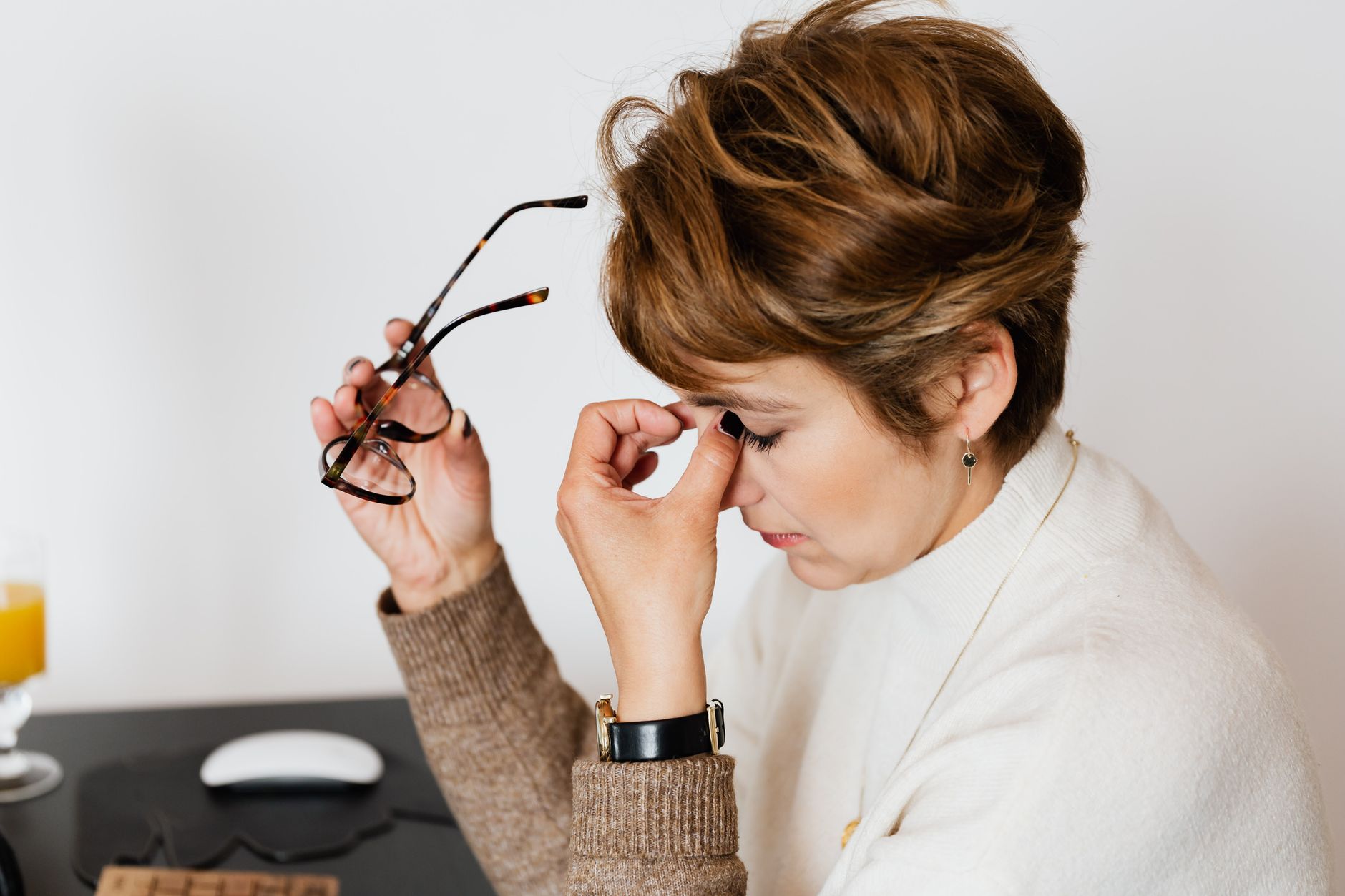
Many people notice their eyes feel dry, tired, or gritty after a long day working on a laptop, scrolling on a phone, or driving in air‑conditioned spaces. These sensations are often described as dry eye discomfort rather than a formal diagnosis, and lifestyle habits can play a major role. This article explores everyday eye care strategies that may ease dryness and strain, such as adjusting screen routines, paying attention to blinking, using warm compresses, and knowing when to seek professional help. The information is for general education only and does not replace medical evaluation or treatment.
Understanding everyday dry eye discomfort
Dry, tired eyes are commonly linked with long hours of close‑up work, air‑conditioned offices, heating in winter, contact lens wear, and aging. When people concentrate on a screen, they tend to blink less frequently, so the tear film evaporates more quickly and the eye surface can feel rough, tight, or burning. Some individuals also notice temporary blurred vision that clears after blinking or resting. These experiences can be unsettling but are not uncommon in modern digital lifestyles. Anyone who has persistent pain, sudden vision loss, or symptoms affecting daily function should consider consulting an eye care professional to rule out underlying eye disease.
Adjusting screen habits and the 20‑20‑20 rule
One of the most practical ways to care for dry, tired eyes is to rethink screen habits throughout the day. Many eye specialists recommend the 20‑20‑20 rule: roughly every 20 minutes, look at something about 20 feet away for around 20 seconds, allowing the eye muscles to relax. This brief pause can be paired with a deep breath, a stretch, or standing up from the desk. In addition, lowering screen brightness to match room lighting, increasing text size, and avoiding glare from windows or overhead lights can make viewing more comfortable. Keeping the monitor slightly below eye level may also reduce how widely the eyes are opened, which can limit tear evaporation.
Blinking, eye breaks, and workday routines
During focused tasks, blinking frequency can drop significantly compared with relaxed conversation, so conscious blinking becomes an important eye care habit. Some people find it helpful to schedule short eye breaks every 30 to 40 minutes, using reminders on their computer or phone. During a break, they can close their eyes gently for a few seconds, perform a series of deliberate slow blinks, or look away from the screen toward a distant object. Office environments can also be adjusted: positioning desks away from direct air vents, using a desktop humidifier in very dry rooms, and stepping outside for fresh air when possible. These small changes often fit easily into a workday and can be especially relevant for students, remote workers, and gamers.
Warm compresses and gentle eyelid care
Warm compresses are a simple home method many people use when their eyes feel dry, heavy, or strained at the end of the day. A clean washcloth soaked in warm (not hot) water can be gently placed over closed eyelids for several minutes while sitting or lying down. The warmth can feel relaxing and may soften the oily secretions along the eyelid margins. Afterward, some individuals choose to lightly massage along the lash line with clean fingers or a cotton pad, moving from the inner corner outward, to keep the eyelid edges clean. Any massage should be very gentle to avoid pressing on the eyeball. People who use eye makeup or contact lenses need to pay extra attention to hygiene and should stop if they experience redness, pain, or worsening symptoms.
Environment, lifestyle, and hydration
Indoor environments significantly influence how comfortable the eyes feel throughout the day. Air conditioning, heating, fans, and direct airflow toward the face can increase evaporation from the eye surface. Adjusting vents so that air does not blow directly at the eyes, using curtains or blinds to reduce harsh sunlight, and adding plants or a small humidifier can create a more eye‑friendly space. Adequate water intake, balanced meals including leafy greens and oily fish, and sufficient sleep are also commonly mentioned in discussions of eye comfort. While food and fluids cannot replace targeted medical care when needed, many readers find that general lifestyle habits overlap with eye comfort, energy levels, and the ability to concentrate.
When to talk with an eye doctor
Although many people self‑manage mild dryness and fatigue with the strategies above, professional assessment is important when symptoms persist or interfere with daily life. Eye doctors can examine the tear film, eyelids, and ocular surface, and they may suggest lubricating drops, lid hygiene routines, or other measures based on individual findings. People who wear contact lenses, have autoimmune conditions, take certain medications, or have had previous eye surgery may have specific risks that warrant tailored advice. Any sudden change in vision, severe pain, light sensitivity, or discharge should be treated as a reason to seek prompt professional care. Information in this article is intended as a general guide and should not be used to diagnose, treat, or rule out any disease.
Practical reminders for everyday eye comfort
Bringing these ideas together, everyday eye care for dryness and fatigue often starts with small, consistent actions rather than drastic changes. Regular breaks, mindful blinking, and the 20‑20‑20 rule can be integrated into work, study, and leisure without special equipment. Simple warm compresses and careful eyelid hygiene may be added at the end of the day as a relaxing ritual. Adjusting lighting, screen position, and indoor airflow often benefits not only the eyes but also posture and overall comfort. Above all, paying attention to how the eyes feel and seeking professional advice when symptoms are persistent or worrying can support long‑term eye health. All suggestions here are for reference only and cannot replace consultation with a qualified eye care professional.