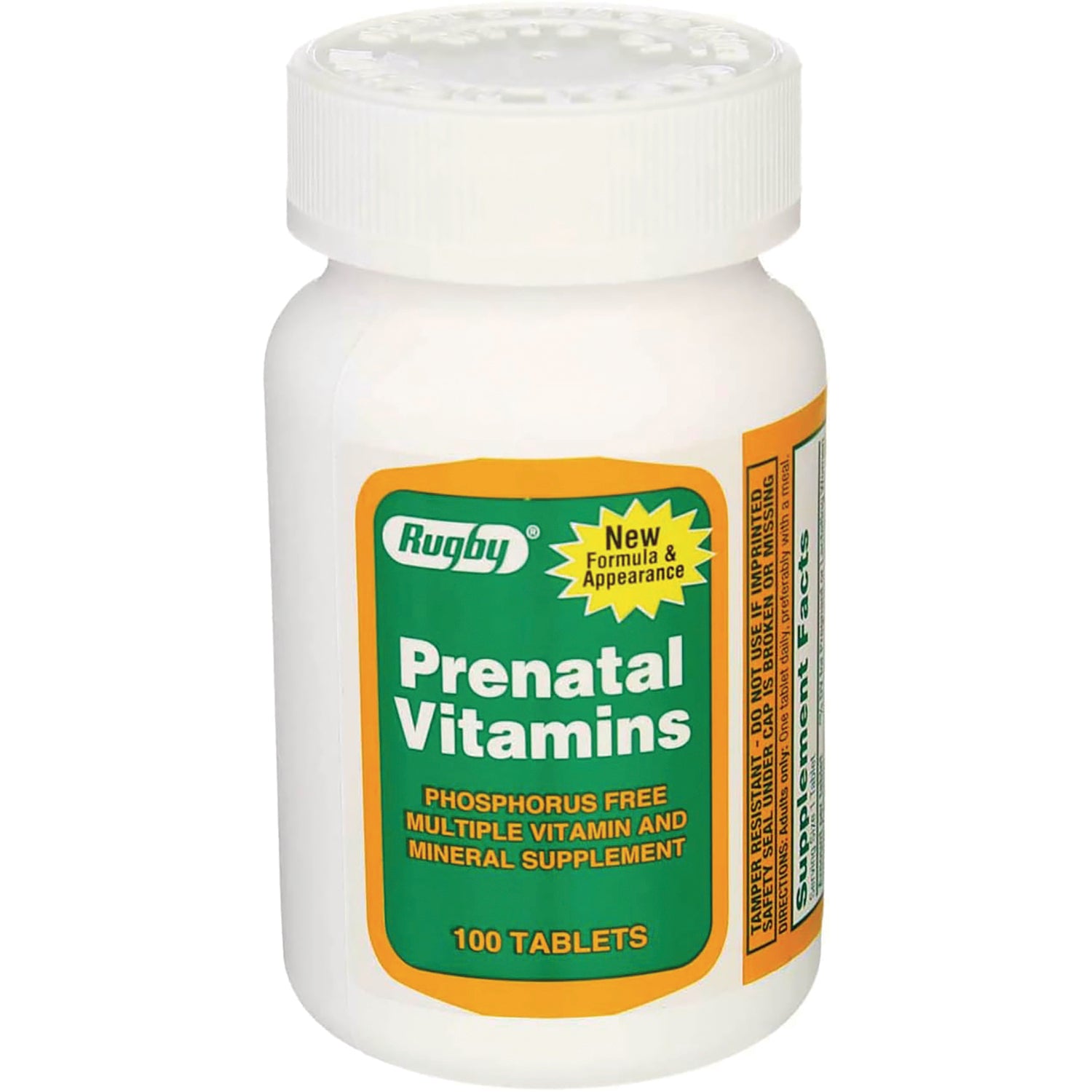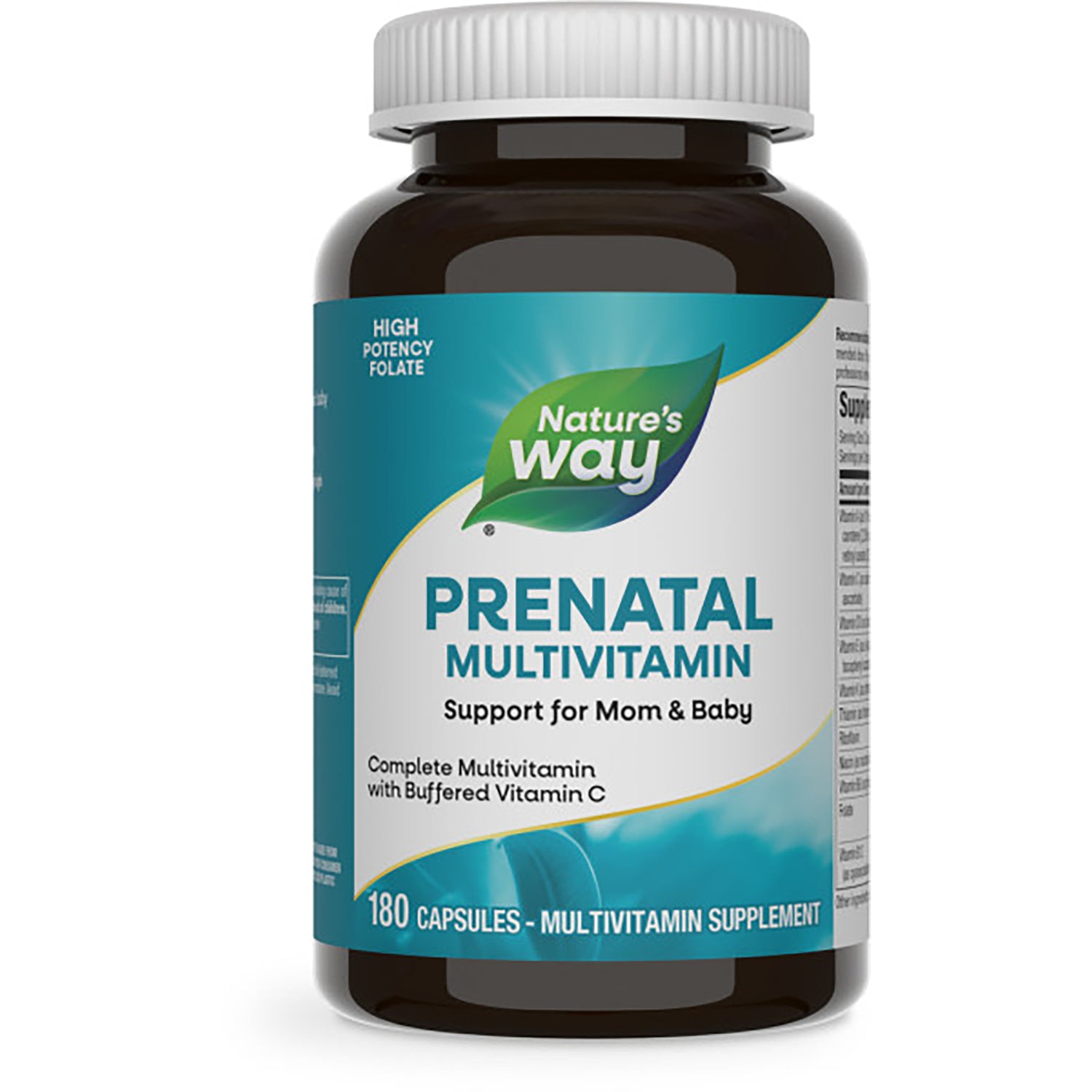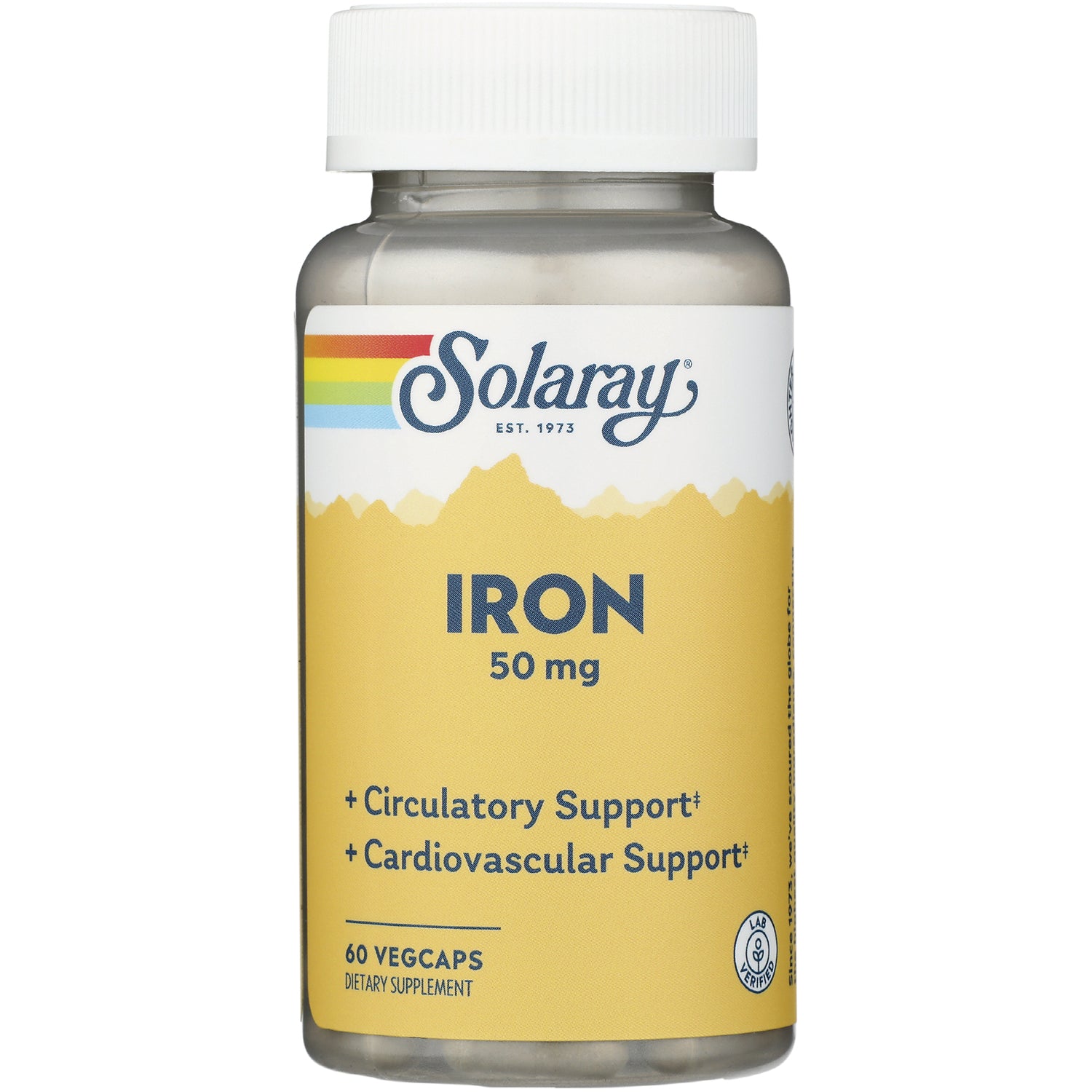
Pregnancy increases the body’s need for several nutrients, but taking more supplements is not automatically safer. Iron and calcium are both important during pregnancy, yet they serve different roles and can interfere with each other when taken together. A safe plan starts with prenatal care, dietary assessment, and—when appropriate—blood tests rather than self-prescribing high doses. The World Health Organization recommends daily iron and folic acid supplementation during pregnancy in many care settings, while calcium supplementation depends on dietary intake and local clinical guidance. Individual needs can differ because of anemia, dietary restrictions, previous medical conditions, medication use, and the formulation of the prenatal vitamin.
Why iron and calcium require separate planning
Iron supports the production of hemoglobin, the protein in red blood cells that carries oxygen. Pregnancy expands blood volume, so inadequate iron intake can be associated with iron deficiency and anemia; however, fatigue or paleness alone cannot confirm the cause. Calcium is needed for normal skeletal and cellular functions, and food is often the preferred source when intake is sufficient. The key practical issue is that calcium can interfere with iron absorption, so taking both supplements at exactly the same time may make the iron dose less useful. A clinician or pharmacist can help create a schedule that fits meals, nausea, reflux treatment, and other medicines.
The amount of elemental iron matters more than the total weight of a tablet’s chemical compound. For example, ferrous sulfate and ferrous fumarate contain different proportions of elemental iron, so labels should be read carefully rather than compared by tablet size alone. WHO guidance commonly refers to 30–60 mg of elemental iron with 400 micrograms of folic acid for pregnant women, but local recommendations and individual treatment plans may differ. A prenatal vitamin may already contain iron, meaning an additional product should not be added without checking the full daily total.
How to time iron and calcium supplements
A simple schedule is to take iron and calcium at different times of day, leaving several hours between them when practical. Calcium supplements are generally better tolerated with food, while iron instructions depend on the product and the person’s tolerance. Some people absorb iron more efficiently away from meals, but nausea, stomach discomfort, constipation, or reflux can make that difficult; a healthcare professional may suggest taking it with a small amount of food instead of stopping it. Water is usually a practical choice, and vitamin C–containing foods may be included if they fit the person’s diet.
Iron should not routinely be taken with calcium tablets, calcium-fortified drinks, tea, coffee, or certain medicines that affect absorption. Antacids and acid-reducing medicines may also require special timing, so the medication label and pharmacist’s instructions matter. A sample routine could place iron in the mid-morning and calcium with lunch or dinner, but the best schedule depends on the prenatal vitamin, meal pattern, and prescribed medicines. If vomiting occurs soon after a dose, the person should ask the prenatal care team whether and when to repeat it rather than automatically taking another tablet.
Food sources and supplement labels
Food can provide a substantial foundation for both nutrients. Iron sources include lean meat, poultry, seafood that is considered safe in pregnancy, beans, lentils, tofu, fortified cereals, and leafy green vegetables. Plant-based iron is absorbed differently from iron in animal foods, so meal combinations and the overall dietary pattern matter. Calcium sources include pasteurized milk, yogurt, cheese, calcium-set tofu, fortified plant beverages, and selected canned fish with edible bones. Food safety remains important: dairy products should be pasteurized, seafood choices should follow local pregnancy guidance, and meat should be cooked thoroughly.
When comparing prenatal products, the label should be checked for elemental iron, calcium, folic acid, and other ingredients already being used. Gummies may contain less or no iron compared with standard prenatal tablets, so switching formats can change the nutrient intake. Herbal blends and high-dose single-nutrient products deserve extra caution because pregnancy safety data may be limited. Keeping a written list of prenatal vitamins, separate supplements, prescription medicines, and fortified drinks can help prevent accidental duplication during appointments.
Testing, side effects, and when to ask for help
Routine prenatal care commonly includes screening for anemia early in pregnancy and again later in pregnancy, although testing schedules vary by region and clinical circumstances. Results can distinguish possible iron deficiency from other causes of anemia and can guide whether a person needs dietary changes, a standard prenatal supplement, a different formulation, or medically supervised treatment. Calcium supplementation is not automatically required for every pregnant person; the decision may depend on dietary calcium intake, blood pressure risk, kidney history, and local recommendations. A supplement plan should therefore be based on the person’s clinical record rather than a social-media checklist.
Iron commonly causes dark stools, constipation, nausea, or abdominal discomfort, but severe symptoms should not be ignored. Medical advice is especially important for persistent vomiting, significant abdominal pain, signs of an allergic reaction, accidental ingestion of a large amount, or symptoms such as fainting and shortness of breath. People with kidney disease, a history of kidney stones, disorders of iron storage, gastrointestinal disease, or medicines that interact with minerals should disclose those details before starting a separate iron or calcium product. Health information in this article is for general reference and does not replace individualized advice from an obstetric clinician, midwife, physician, or pharmacist.
A practical safety checklist for daily use
The safest approach is consistent and simple: first identify what the prenatal vitamin already contains, then confirm whether extra iron or calcium is necessary. The supplement should be taken according to the product label or the prenatal care team’s instructions, with iron and calcium separated when possible. Dietary sources should be considered before adding multiple products, and changes should be recorded so that the care team can review the complete intake. This is particularly useful when nausea leads to missed doses or when several brands are used at different stages of pregnancy.
A practical checklist includes:
- Check the amount of elemental iron and calcium rather than relying only on the product name.
- Keep iron several hours apart from calcium supplements and calcium-rich fortified drinks when feasible.
- Avoid doubling doses after a missed tablet unless a healthcare professional gives different instructions.
- Bring all supplement containers or photographs of their labels to prenatal appointments.
- Seek prompt advice after accidental overdose, severe side effects, or a major change in diet or medication.
The goal is not to take the largest number of tablets, but to match supplementation with documented needs, a balanced diet, and a workable daily routine. WHO guidance, national recommendations, and prenatal clinicians may use different thresholds because populations and medical circumstances vary. Pregnant people should discuss the timing and dose of iron and calcium with their healthcare professional, especially when anemia has been diagnosed, dietary calcium is low, or other medicines are taken regularly.