Iron-deficiency anemia is a common nutrition and health concern for women, particularly those with heavy menstrual bleeding, pregnancy-related iron needs, restricted diets, or repeated blood loss. Nutrition planning can provide more iron and make meals easier to organize, but food alone cannot identify the cause of anemia or replace clinical care when blood tests show a deficiency. A practical approach combines iron-rich foods, vitamin C–containing produce, sensible meal timing, and attention to symptoms that warrant professional assessment. The goal is not a restrictive diet or a promise of a particular result; it is a clear framework for making everyday meals more nutritionally supportive while keeping medical evaluation in view.
Why women may need closer attention to iron
Iron is involved in hemoglobin, the red-blood-cell protein that carries oxygen through the body. Women who menstruate can lose iron through menstrual blood loss, and heavy or prolonged periods are a common reason clinicians investigate iron-deficiency anemia. Pregnancy creates additional nutritional demands, while postpartum blood loss, frequent blood donation, gastrointestinal bleeding, and diets with little iron can also contribute. Tiredness, shortness of breath during ordinary activity, dizziness, headaches, paleness, cold hands and feet, or unusual cravings can occur, although these signs are not specific enough to confirm anemia on their own. A blood count and iron-related tests are typically needed to clarify the situation, especially when symptoms persist or bleeding is unusually heavy.
People following vegetarian or vegan diets can still build iron-conscious meals, but plant foods contain non-heme iron, which the body generally absorbs less readily than heme iron from meat, poultry, and seafood. That does not make plant-based eating unsuitable; it means food variety, meal pairing, and professional advice become more important when anemia is suspected. Teenagers, people with digestive conditions, and those who are pregnant should avoid self-prescribing high-dose iron because the appropriate amount depends on laboratory results, age, medical history, and the cause of the deficiency.
Build meals around varied iron-rich foods
Iron-rich choices can come from both animal and plant sources. Meat, poultry, seafood, eggs, lentils, beans, chickpeas, tofu, tempeh, pumpkin seeds, nuts, dark leafy greens, dried apricots, raisins, and iron-fortified cereals are practical options. Fortified breakfast cereal with fruit, lentil soup with tomatoes, tofu and vegetable stir-fry, or a bean-filled whole-grain bowl can fit different budgets and cooking schedules. Heme iron from animal foods is generally more bioavailable, while plant-based meals can provide useful iron alongside fiber, folate, protein, and other nutrients.
Meal planning works best when it reflects the person’s normal routine rather than relying on one “superfood.” A weekday breakfast might combine fortified cereal with strawberries; lunch could include chickpeas, roasted peppers, and leafy greens; dinner might pair salmon or lean meat with beans and vegetables. For a vegetarian pattern, tofu, lentils, beans, seeds, and fortified products can be rotated across the week. Dried fruit is concentrated in calories and sugar, so smaller portions alongside meals may be more practical than eating it freely throughout the day. Food labels can also help compare fortified products, but the iron amount listed does not determine whether a person has anemia.
Pair plant-based iron with vitamin C foods
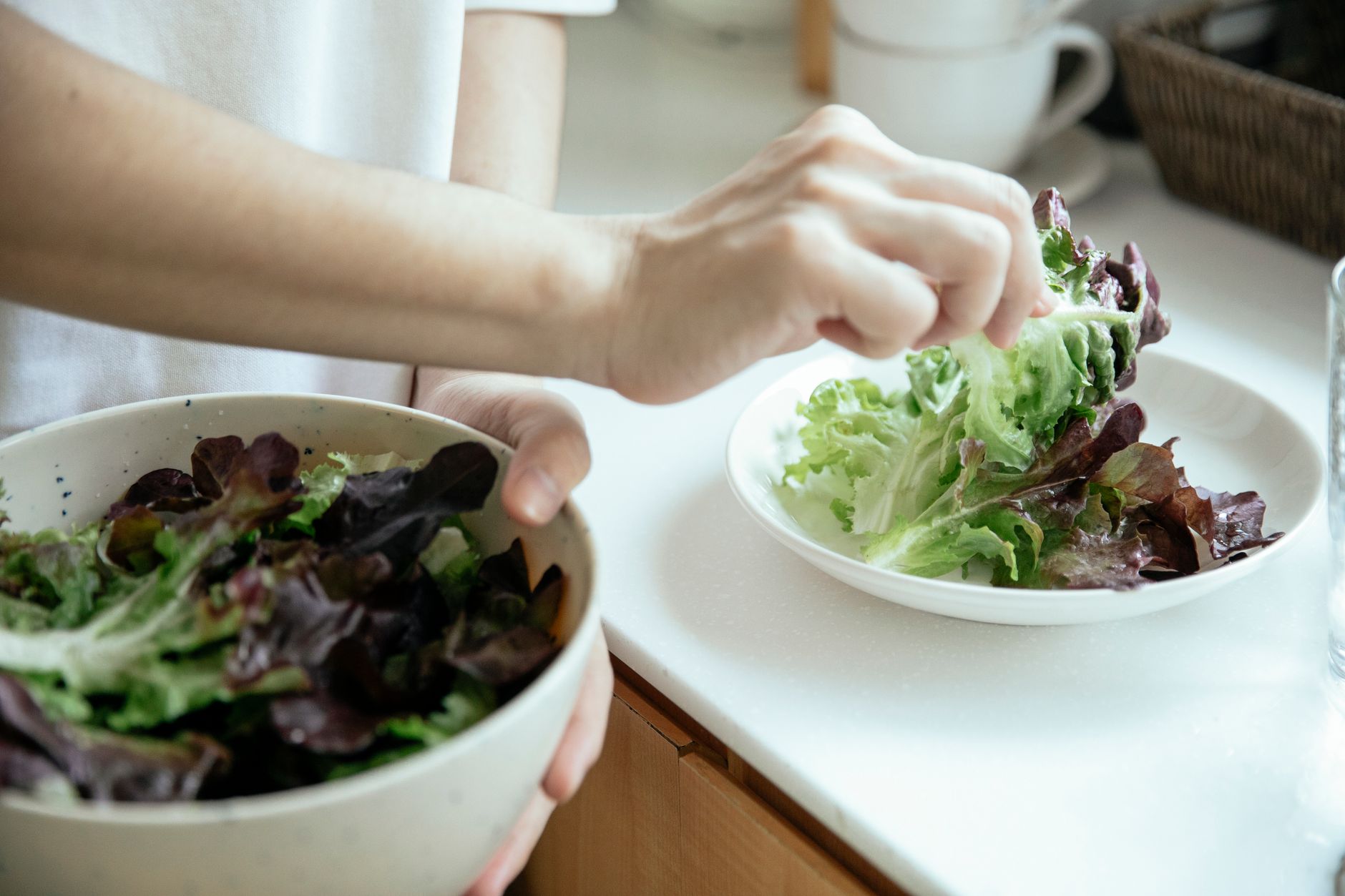
Vitamin C can increase the absorption of non-heme iron from plant foods. Useful pairings include lentils with tomatoes, beans with salsa, tofu with broccoli and bell peppers, iron-fortified cereal with strawberries, or a leafy-green salad with citrus segments. Vitamin C sources include oranges, grapefruit, kiwi, strawberries, sweet peppers, tomatoes, broccoli, and cabbage. The pairing does not need to be complicated: adding a squeeze of lemon to a bean dish or choosing fruit with a fortified breakfast can make the meal more complementary.
A useful principle is to focus on the whole meal rather than treating vitamin C as a supplement or a cure. Fresh, frozen, or lightly cooked produce can all contribute, depending on availability and preference. Citrus juice may be convenient, but whole fruit also provides fiber and can be easier to include regularly. People with reflux, kidney conditions, medication restrictions, or other dietary considerations should choose foods and portions that fit their clinical advice. Vitamin C pairing is most relevant to plant-based iron; it does not mean every meal must contain a large quantity of fruit or vegetables.
Consider tea, coffee, dairy, and meal timing
Some foods and drinks can interfere with iron absorption when consumed at the same time as an iron-focused meal or iron supplement. Tea and coffee contain compounds that can bind iron, while calcium-rich dairy products and foods high in phytic acid may also affect absorption in certain contexts. This does not mean tea, coffee, milk, yogurt, or whole grains must be eliminated. A more practical strategy is to avoid placing large amounts of these items directly alongside the meal or supplement when a clinician has advised attention to iron absorption.
For example, a person might drink tea between meals instead of with a lentil lunch, or separate a calcium supplement from prescribed iron according to medical instructions. Whole grains, seeds, beans, and nuts remain valuable foods because they provide fiber, protein, and other nutrients; their presence in the diet is not automatically a problem. Preparation methods such as soaking, sprouting, fermenting, or cooking may change the food matrix, but they should be viewed as optional culinary choices rather than guaranteed solutions. The best timing depends on the product, medication, stomach tolerance, and laboratory findings, so prescribed instructions take priority.
When food is not enough
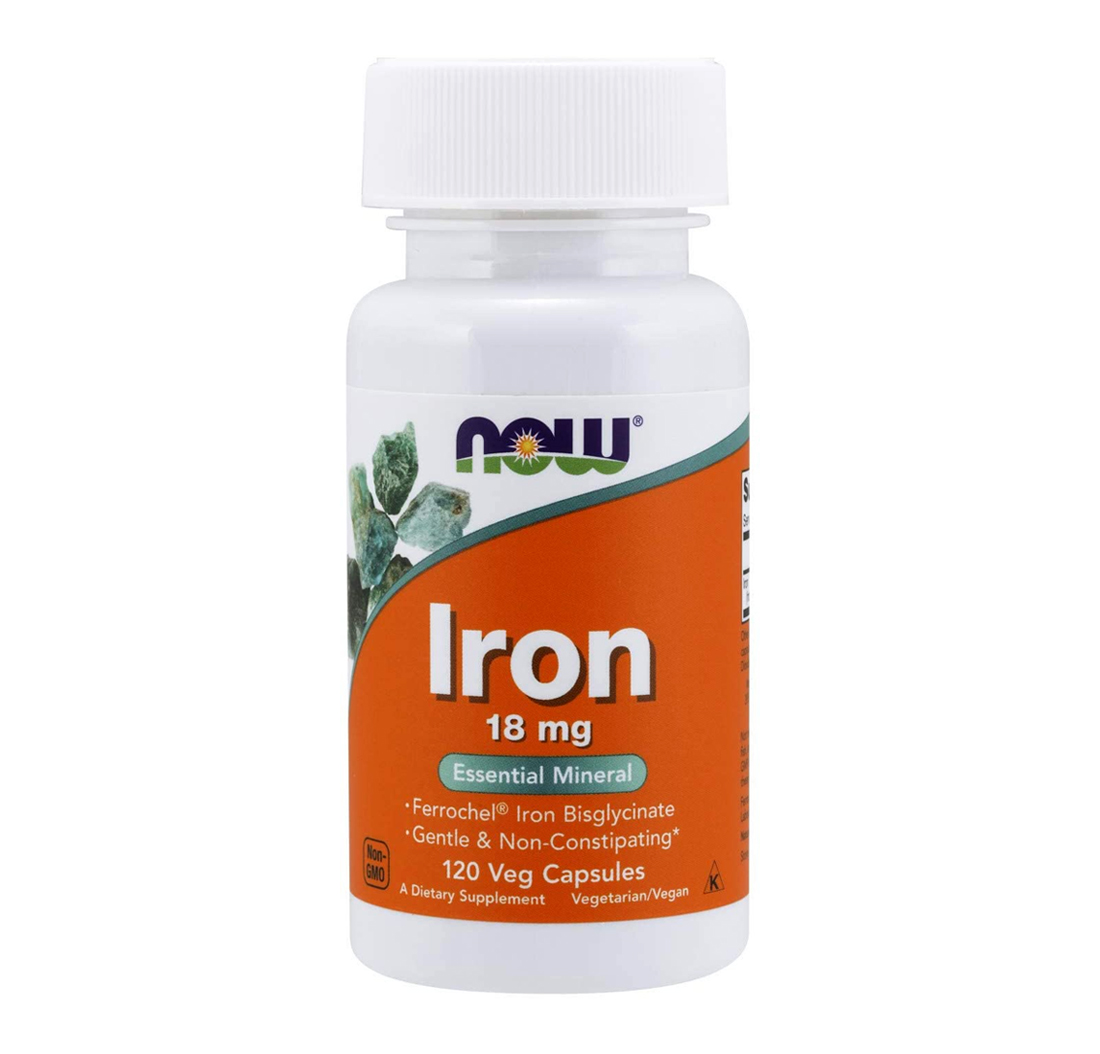
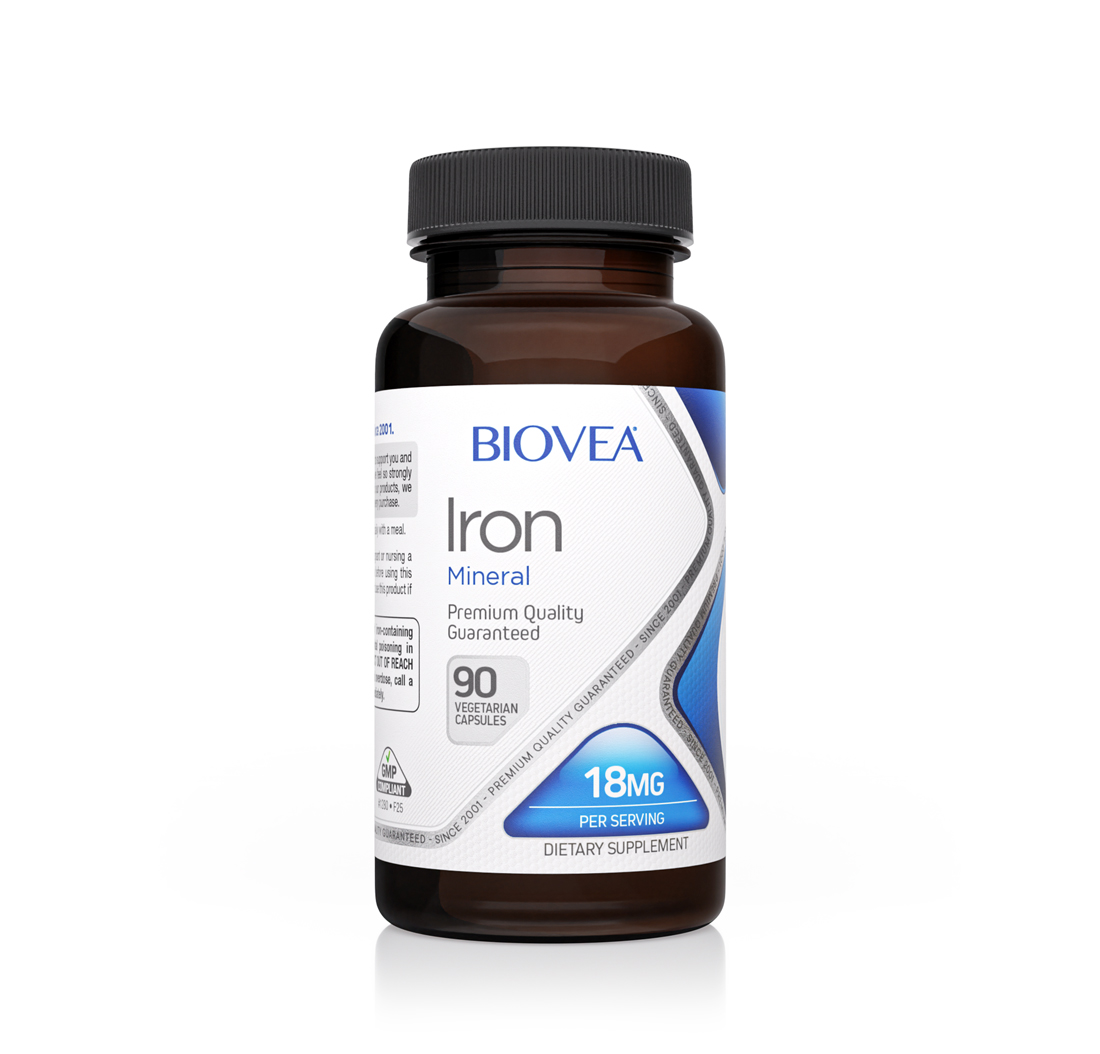
Nutrition can support an overall eating pattern, but diagnosed iron-deficiency anemia often requires a clinician-directed plan. Oral iron may be recommended, and some people need investigation for heavy menstrual bleeding, pregnancy-related needs, gastrointestinal blood loss, impaired absorption, or another medical condition. Iron supplements can cause constipation, nausea, abdominal discomfort, or dark stools, and taking more than recommended can be harmful. Changing the dose, stopping treatment, or combining several products without guidance can make it harder to interpret follow-up tests.
Medical assessment is particularly important when bleeding is heavy, periods suddenly change, symptoms are severe, pregnancy is possible, or fatigue and breathlessness interfere with daily activity. Urgent care is appropriate for fainting, chest pain, severe shortness of breath, rapid worsening, or signs of substantial bleeding. A clinician may review a complete blood count, ferritin, menstrual history, diet, medications, and digestive symptoms. Treating the underlying source matters because repeatedly replacing iron without addressing ongoing blood loss may not resolve the broader problem.
A practical weekly planning approach
A simple weekly plan can make iron-conscious eating more realistic. Start by selecting two or three plant-based iron staples, such as lentils, beans, tofu, or fortified cereal; add one or two animal-based choices if they fit the person’s diet; then purchase vitamin C–rich produce for easy pairings. Preparing a pot of lentils, washing peppers, portioning fruit, or keeping canned beans available can reduce the effort required on busy workdays. The plan should also account for appetite, cultural foods, budget, allergies, and cooking equipment rather than assuming that everyone can follow the same menu.
A sample day might include fortified cereal with kiwi at breakfast, a bean and tomato salad with lunch, and tofu or fish with broccoli and rice at dinner. Tea or coffee can be placed between meals, while supplements should be taken only according to professional instructions. Keeping a brief record of symptoms, menstrual flow, supplement use, and food patterns can help a clinician identify changes over time, but it should not replace testing. The most useful routine is consistent, varied, and flexible enough to continue during travel, busy periods, or changes in appetite.
Nutrition advice for women with suspected or diagnosed anemia is best treated as a support plan, not a substitute for diagnosis. Iron-rich foods, vitamin C pairings, and thoughtful timing can make meals more intentional, while medical review clarifies whether the issue involves iron intake, absorption, blood loss, pregnancy, or another cause. Those who are pregnant, have heavy periods, follow a restrictive diet, or experience persistent symptoms should discuss testing and supplement decisions with a qualified healthcare professional. This information is for general education only and is not a personal diagnosis or treatment plan.