Seasonal transitions often make people notice changes in energy, sleep quality, or skin and respiratory comfort, which naturally leads to questions about supplements and whether routines need adjustment. While products can be part of a wellness plan, most nutrition experts emphasize that basics like sleep, balanced meals, and steady daily habits remain the foundation across all seasons. This article looks at which supplement categories are commonly reviewed during seasonal changes, how to think about adjusting doses or combinations, and what lifestyle context should be considered. The information is intended for general wellness, and readers are encouraged to discuss individual choices with healthcare professionals for personalized guidance.
Start With Lifestyle Before Changing Supplements
Before adding new bottles or increasing capsules, many practitioners recommend checking core habits such as sleep, diet, and activity level. Regular rest, diverse vegetables and fruits, plus moderate movement often influence how the body feels during temperature and humidity shifts. Supplements tend to work best when layered on top of these foundations rather than replacing them. For example, someone who relies heavily on convenience foods during a busy season might first aim to improve meal composition, then choose targeted nutrients only where gaps remain. By reviewing daily routines, people can avoid overcomplicating their supplement stack and focus on changes that truly match their current lifestyle.
Vitamins and Minerals Often Reviewed at Season Change
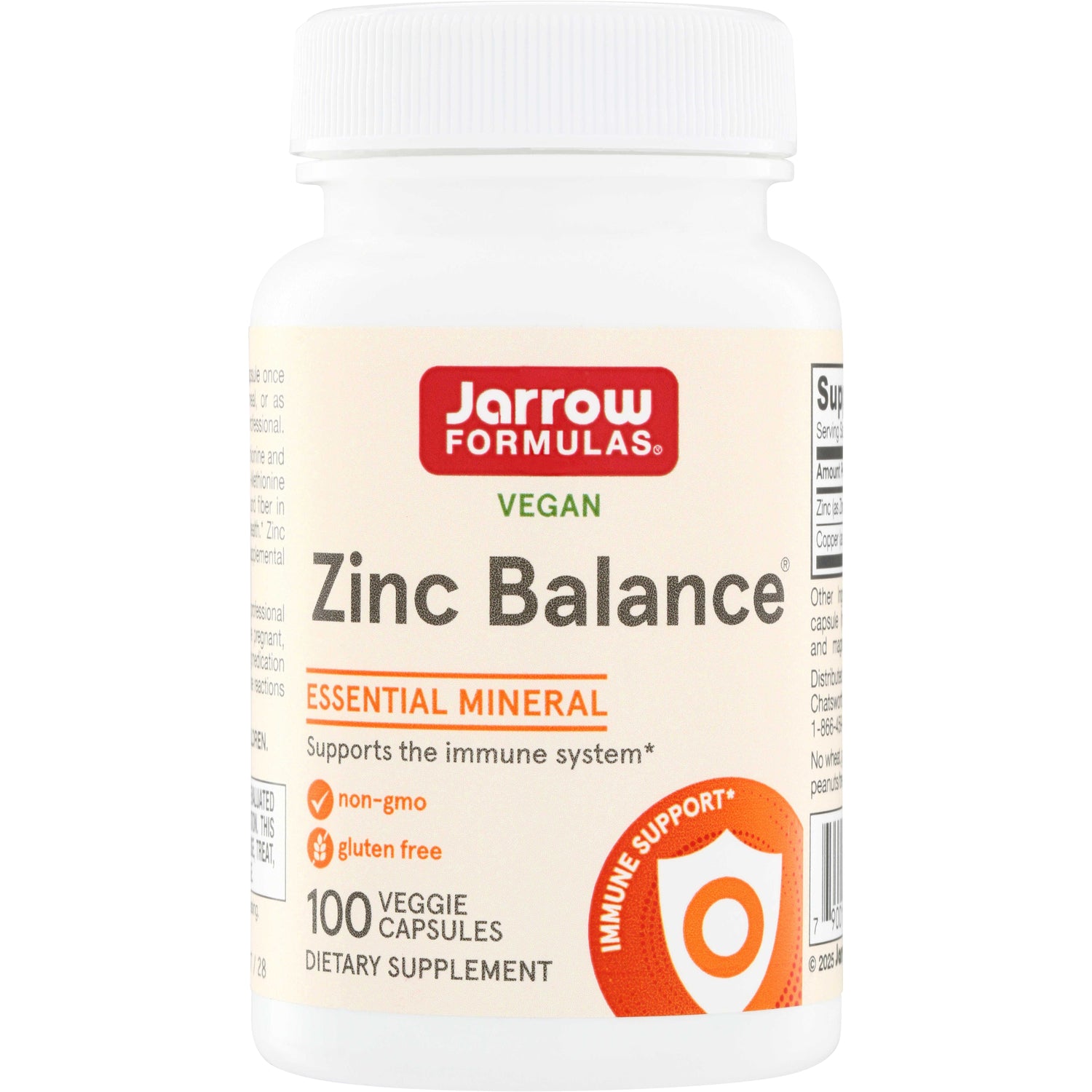
One of the first areas many people reassess during seasonal transitions is vitamins and minerals, particularly those related to immune and skin wellness. Common examples include vitamin C, vitamin D, zinc, and antioxidant compounds from foods. Instead of automatically increasing tablets, nutrition guidance often suggests checking actual food intake: how many servings of fresh produce, whole grains, and quality protein are appearing on the plate. If someone notices less fruit and vegetable variety, a moderate vitamin C supplement might be considered, staying close to typical recommended daily intakes and avoiding unnecessary megadoses. Mineral intakes, such as zinc, can also be reviewed, but long-term excess use is usually discouraged without professional monitoring.
Omega-3 and Seasonal Eating Patterns
Changes in seasonal menus can affect how much omega-3 fatty acids people get from food, especially if cold-water fish or certain plant sources appear less frequently. Some individuals choose to adjust their fish oil or algae-based omega-3 supplement when their diet includes more fried or processed items that are higher in other fats. Rather than aiming for extreme amounts, many dietitians suggest thinking in terms of balance between different fat types and overall dietary pattern. A person who starts eating more hearty comfort foods in colder months might review their fat sources and consider whether a moderate omega-3 product fits their needs. Again, any significant change in dose is best discussed with a healthcare provider, particularly for those who take medications or have existing health conditions.
Gut-Focused Supplements During Seasonal Transitions
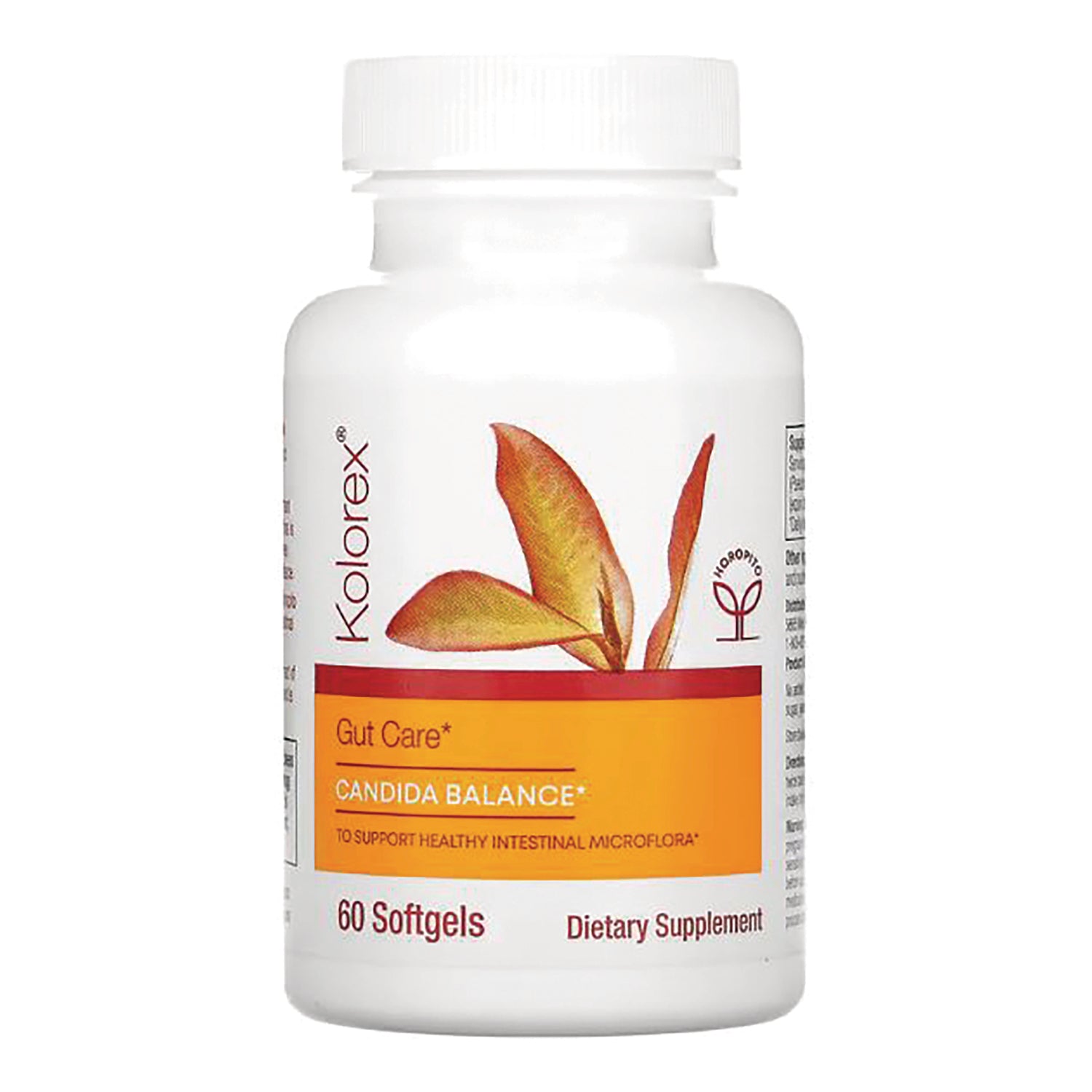
Seasonal changes sometimes coincide with shifts in routine, travel, or stress, all of which can influence digestion and overall comfort. Because of this, probiotics and prebiotic fibers are commonly revisited when temperatures change or schedules become busier. Many readers look for products that clearly label strains, viable counts, and storage instructions, and that fit their age group and preferences, such as powders, capsules, or chewables. Instead of dramatically increasing the number of products, a practical approach is to choose one well-documented formula and use it consistently while monitoring how the body responds. Including fermented foods like yogurt, kefir, kimchi, or miso in meals can complement supplements and provide variety through natural sources.
Matching Supplement Choices to Individual Sensitivities
Seasonal transitions often highlight personal sensitivities, such as easily irritated skin, dryness, or noticing indoor air quality more than usual. In these situations, some people look at ingredients that support general barrier functions, hydration, or antioxidant status, while also adjusting environmental factors like humidity and cleaning products. It can be useful to read labels carefully, avoiding formulas with unnecessary colorants, strong flavoring agents, or high sugar content, especially for children or those with sensitive systems. Gradual changes are less likely to feel overwhelming: rather than switching an entire lineup at once, many users introduce one new supplement at a time and observe. Keeping a simple log of what was added and how one feels over a few weeks can support more informed decisions and make conversations with professionals more productive.
When to Seek Professional Input Before Adjusting
Although seasonal changes are a common moment to rethink supplements, they are also a good time to check in with professionals, especially when people already take multiple products or medications. Healthcare providers and registered dietitians can help review total intake from both food and capsules, identify unnecessary duplication, and spot possible interactions. Readers who experience strong or persistent discomfort during season changes, such as repeated respiratory issues or pronounced skin reactions, are usually encouraged to seek medical assessment rather than relying solely on over-the-counter options. Since responses to nutrients vary from person to person, expert input can clarify which adjustments are reasonable and which might not be necessary. Remember that the ideas in this article are intended for general information only and do not replace individualized medical advice.