Why some nutrients need extra attention
A vegan diet can be very satisfying, varied, and practical, but it also asks for more planning than an omnivorous pattern. The main issue is not that plant-based eating is inherently incomplete; it is that a few nutrients are harder to get in consistent amounts when animal foods are excluded. That is why many nutrition guides focus on B12, protein, iron, calcium, vitamin D, omega-3, zinc, and iodine.
The most useful approach is to think in layers: build meals around legumes, tofu, grains, nuts, seeds, and vegetables, then check whether any nutrient still needs a fortified food or supplement. This is especially relevant for people who eat mostly home-cooked meals, travel often, train hard, or avoid fortified products. For health-related decisions, it is best to treat this as general information and confirm personal needs with a qualified professional.
Vitamin B12: the nutrient vegans should plan first
Vitamin B12 is the clearest example of a nutrient that deserves deliberate planning in vegan eating. In the sources reviewed, plant foods alone are not presented as a reliable day-to-day source for vegans, and several clinical guides recommend fortified foods or a B12 supplement rather than depending on vegetables or fermented foods. This matters because B12 is involved in red blood cell formation and nervous system function.
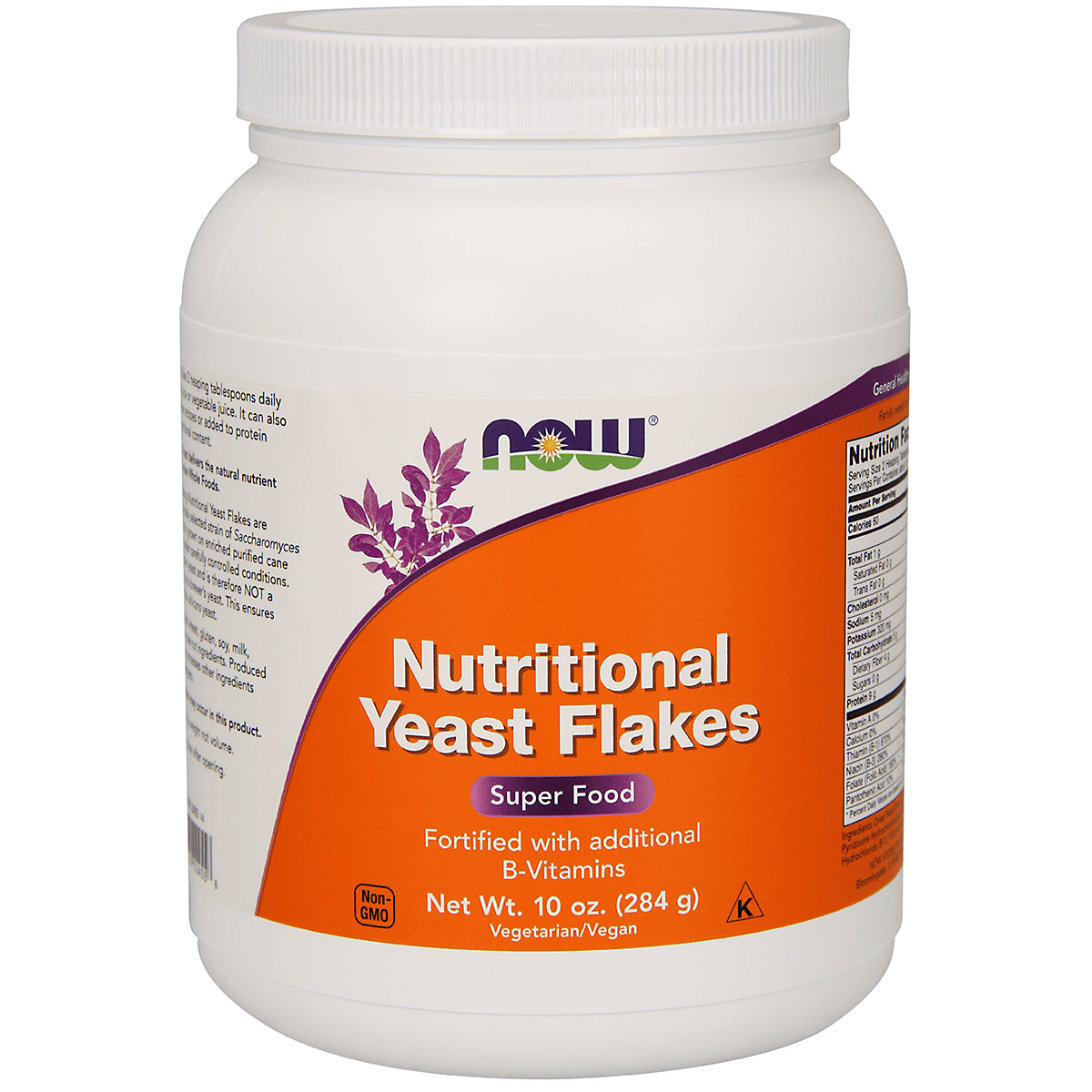
A practical routine is to check labels on plant milks, breakfast cereals, nutritional yeast, and other fortified foods, then decide whether intake is consistent enough across the week. Many people prefer a supplement because it is easier to standardize than trying to remember multiple fortified products. If there is a history of low B12, fatigue, numbness, or a long-term vegan pattern, a blood test and professional advice are more appropriate than guessing.
Protein: quality comes from variety
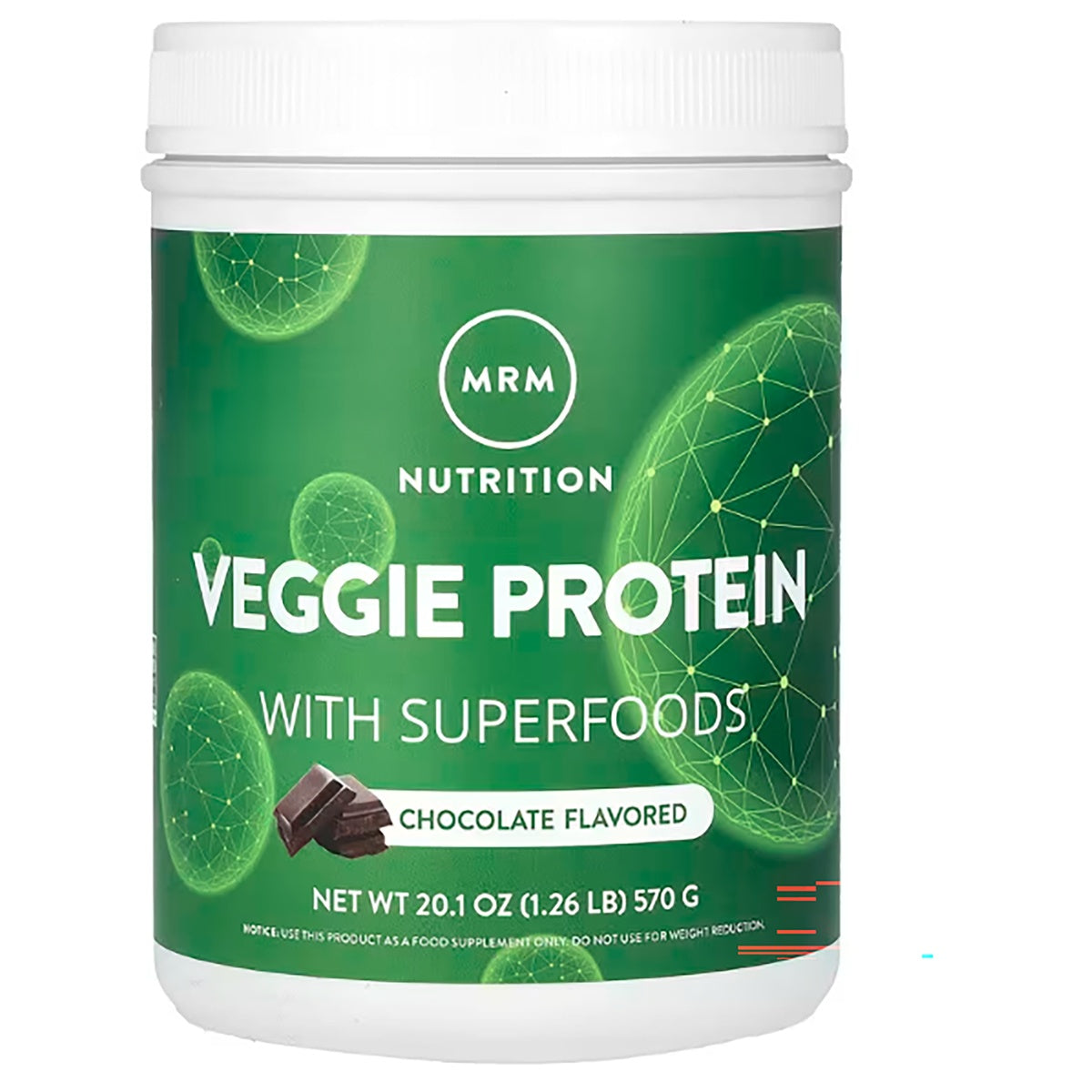
Protein concerns often come up first when people switch to vegan eating, but the issue is usually not “no protein” so much as “not enough variety.” The reviewed sources note that legumes, soy foods, nuts, seeds, and whole grains can all contribute, and that combining them across the day makes meal planning easier. Tofu, tempeh, soy milk, lentils, chickpeas, black beans, oats, quinoa, peanuts, and almonds are common examples.
A useful way to build meals is to anchor each plate with a protein-rich food instead of treating it as an afterthought. For example, a lunch bowl with rice, tofu, edamame, and vegetables is much more dependable than a salad with only greens and dressing. People who exercise regularly or have larger appetites often need more attention to total protein intake, especially when meals are small or frequently skipped.
Iron, calcium, and vitamin D: the trio to watch
Iron and calcium often require attention because plant-based intake can be more sensitive to meal composition. The sources highlight iron-rich foods such as leafy greens, seaweed, beans, and soy foods, and they also note that vitamin C-rich foods can support non-heme iron absorption. For calcium, fortified soy milk, fortified tofu, and other fortified foods are common options. Vitamin D is often discussed alongside calcium because it is strongly linked to bone health and is influenced by sun exposure and fortified foods.
The timing of foods matters in daily routines. Tea and coffee are often kept away from iron-rich meals, while calcium-rich supplements are frequently separated from iron supplements when both are used. That kind of detail sounds small, but it is often what makes a vegan routine sustainable in real life. For people with low sun exposure, indoor work, or limited fortified food intake, vitamin D is worth reviewing separately.
Omega-3, zinc, and iodine: smaller gaps that still matter
Omega-3, zinc, and iodine are not always the first nutrients people think about, but they can become relevant in long-term vegan eating. The reviewed material mentions algae-based omega-3 sources as a plant-friendly option, while zinc can be harder to estimate if the diet is built around refined grains rather than legumes, nuts, seeds, and whole grains. Iodine may depend heavily on iodized salt and food choices.
These nutrients are often discussed less because the signals are less obvious in everyday meals, not because they are unimportant. A person who eats mostly pasta, bread, fruit, and salads may have a very different nutrient profile from someone who regularly eats tofu, beans, seaweed, seeds, and fortified products. This is one reason nutrition planning works better when it is based on actual habits instead of general labels like “healthy” or “plant-based.”
Supplement choices and when to get checked
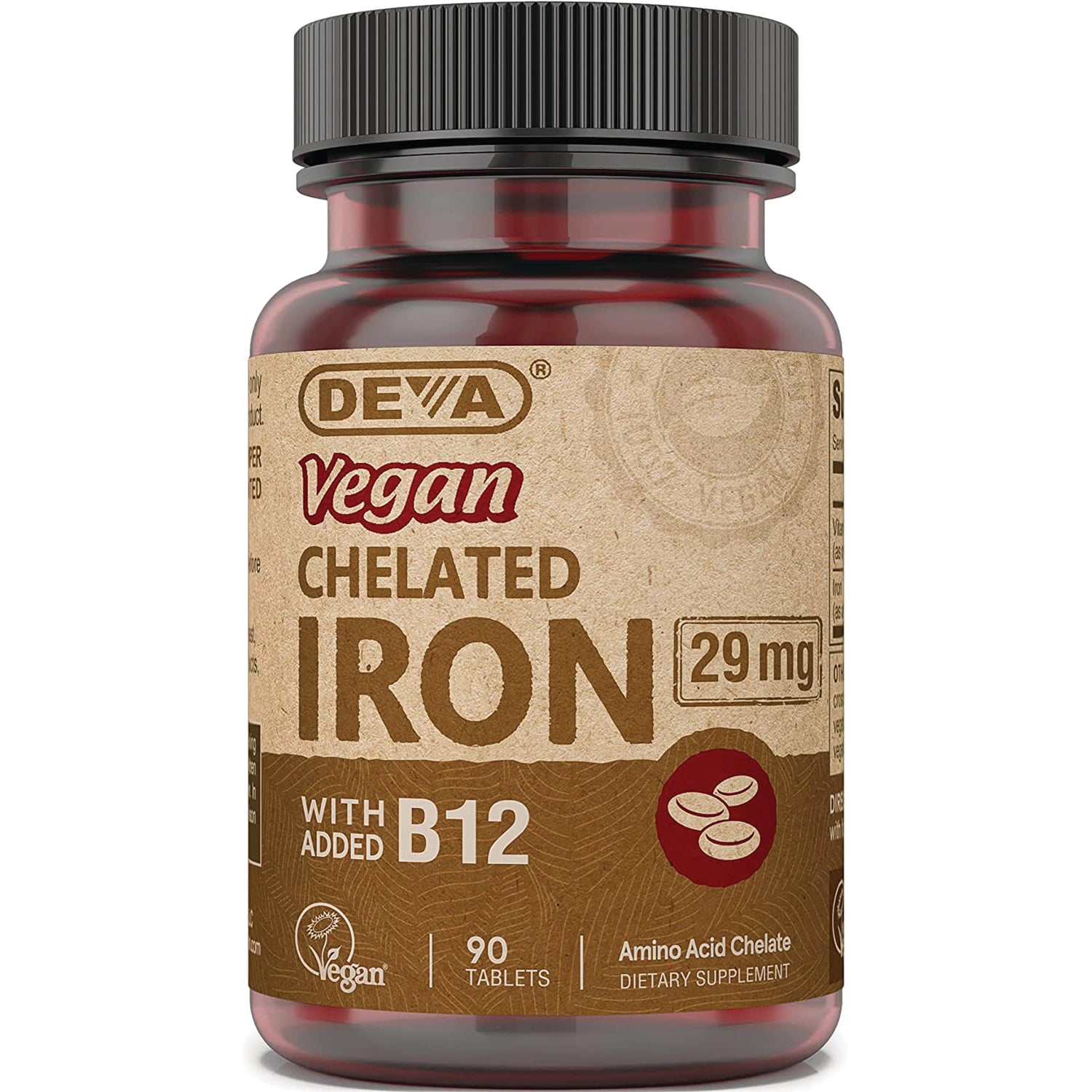
Supplements make the most sense when a nutrient is difficult to obtain consistently from food, or when a person already has a known low intake pattern. For vegan eating, B12 is the most commonly discussed supplement, while omega-3, vitamin D, iron, calcium, zinc, and iodine may be considered depending on diet, sunlight exposure, bloodwork, age, and activity level. The key point is that supplements fill gaps; they do not replace a balanced meal pattern.
A routine checkup can be especially useful for people who have eaten vegan for years, are pregnant or planning pregnancy, are growing, train intensely, or notice recurring signs of low intake. In practice, the safest method is to combine diet review, label reading, and blood tests when needed. If there is uncertainty, a dietitian or physician can help translate food choices into a workable plan instead of relying on trial and error.
A realistic vegan nutrition routine
The simplest long-term strategy is not perfection but consistency. A vegan meal pattern works better when it includes protein at most meals, fortified foods on a predictable schedule, and periodic review of B12, iron, calcium, vitamin D, omega-3, zinc, and iodine. People who cook at home can build habits faster by keeping a few staple ingredients on hand, such as tofu, beans, soy milk, oats, seeds, and fortified products.
For anyone starting out, it helps to think of nutrition as a routine instead of a single choice. One day of careful eating does not matter much if the weekly pattern is inconsistent, and one supplement does not cover every gap. The most practical plan is to make the basics repeatable, watch for personal risk factors, and ask for professional guidance when labs, symptoms, or life stage make the answer less obvious.