Many people notice more hair on their pillow or in the shower when seasons change, especially moving into hotter summers or drier winters. This seasonal hair shedding is often related to shifts in temperature, humidity, sunlight exposure and lifestyle, and does not always signal a medical disorder. Instead of panicking, it can be more helpful to review daily scalp care, nutrition and habits that influence how hair looks and feels. This article focuses on practical, everyday strategies for gentle scalp care and nutrient intake, and all information is for general wellness only, not a substitute for diagnosis or personalized medical treatment.
Understanding seasonal hair shedding
Hair naturally goes through growth, transition and rest phases, and a certain amount of shedding is part of this cycle. During seasonal transitions, the scalp may face sudden changes in humidity, UV exposure, indoor heating or air conditioning, which can influence sebum balance and surface comfort. Some people feel their scalp becomes drier and flaky in autumn and winter, while others experience more oil and stickiness in humid months. These changes may make shedding more noticeable, even if the total number of hairs lost stays within a common daily range. Observing whether shedding stabilizes again after several weeks, and whether there are other symptoms such as itching, pain or clear patches, helps decide if a professional evaluation is needed.
Gentle scalp cleansing without overstripping
When hair appears to shed more, many people instinctively wash more often or scrub harder, which can leave the scalp feeling tight and uncomfortable. A more balanced approach is to choose a mild shampoo that matches the current scalp condition and adjust water temperature to lukewarm rather than hot. Harsh degreasing formulas and very hot water can remove too much natural oil, especially in drier seasons, leaving the surface prone to flakiness. Using the fingertips instead of nails, massaging in small circles for a few minutes, and rinsing thoroughly help remove sweat, dust and styling residue without aggressive friction. For those who use styling products, adding an occasional deeper cleanse with a gentle clarifying product can be considered, but the goal remains comfort rather than a squeaky, overly tight feeling.
Daily scalp care rituals during seasonal changes
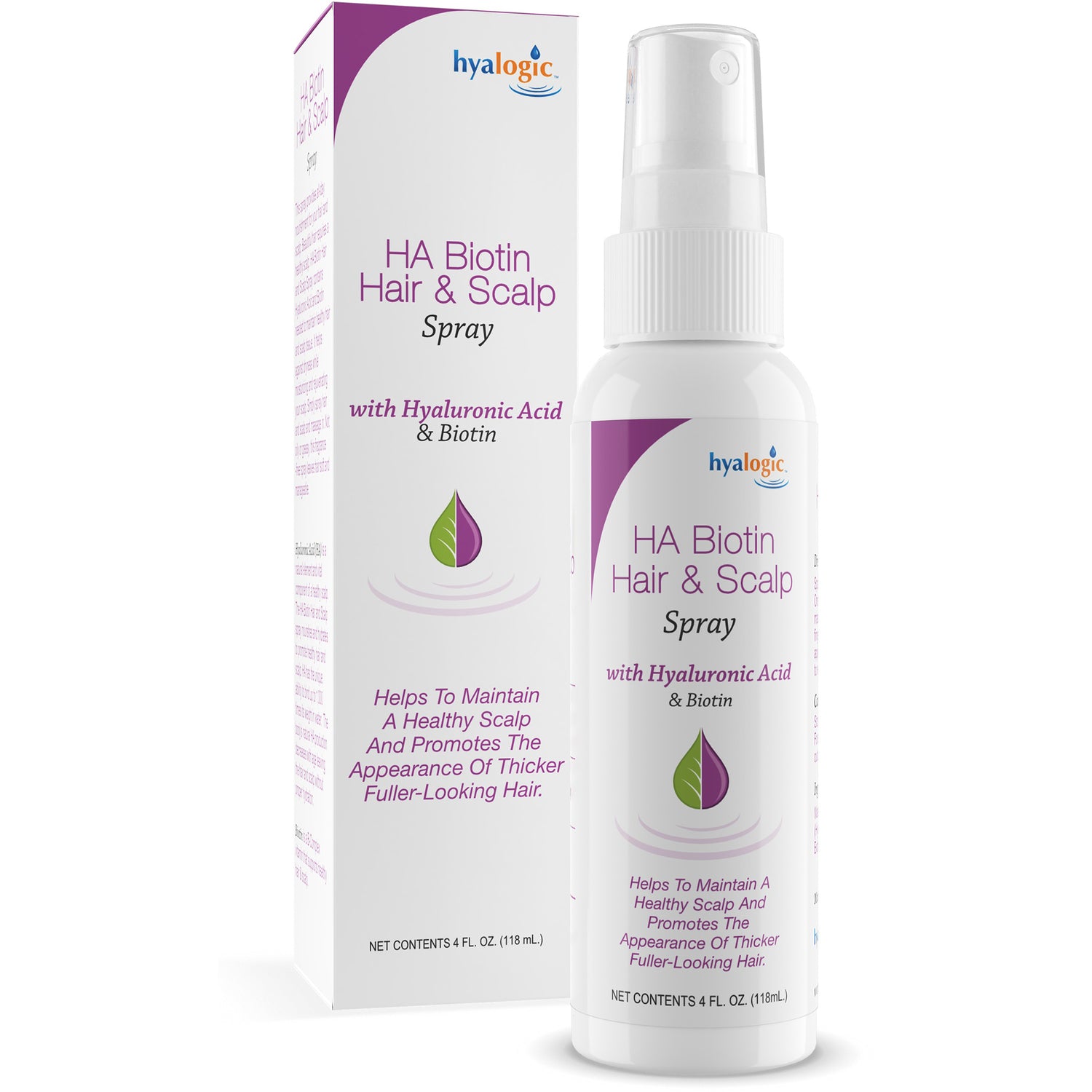
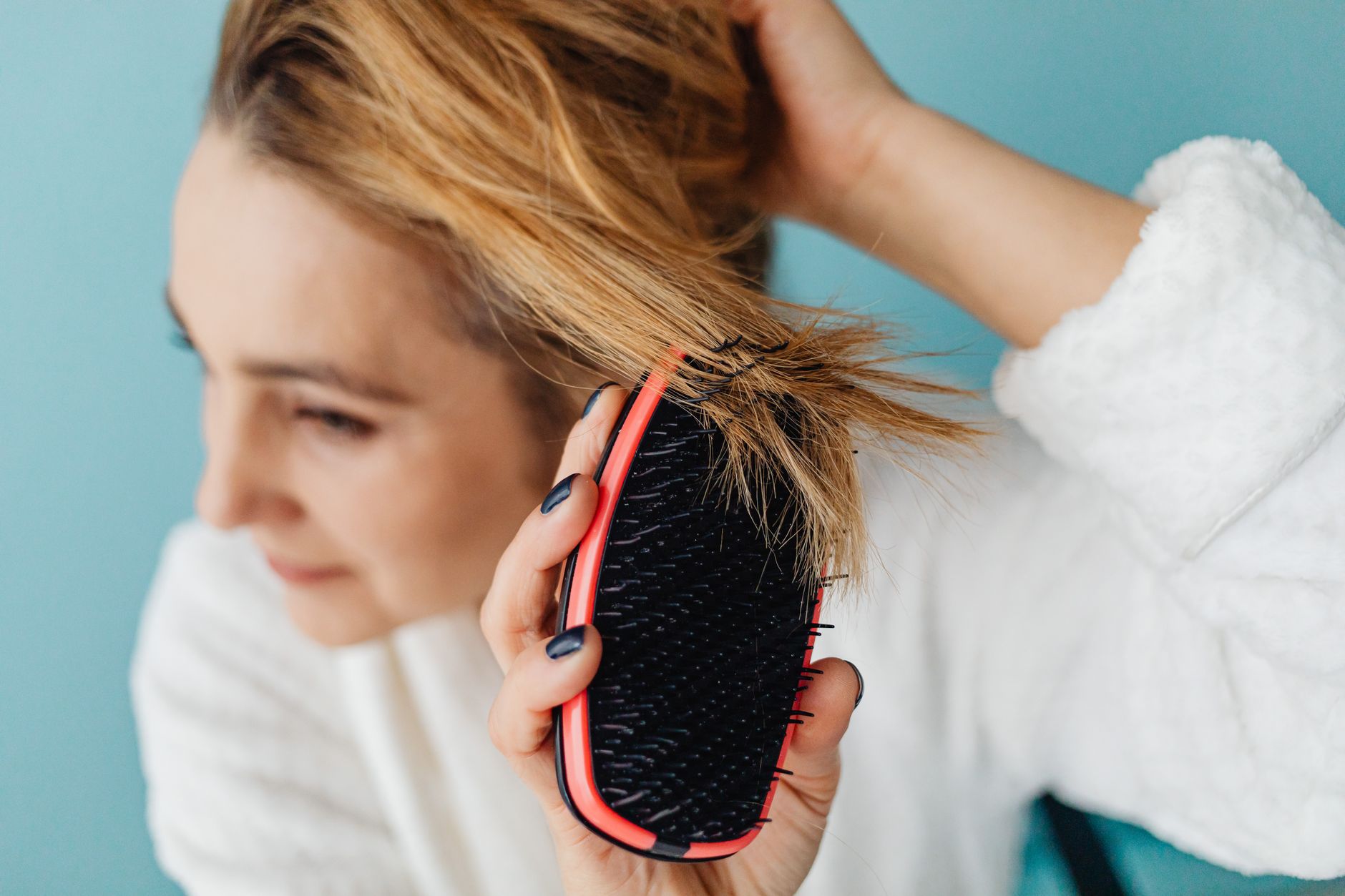
Seasonal transitions are a good time to reassess the entire hair care routine, from how hair is dried to the way it is styled. After washing, blotting with a soft towel instead of rubbing reduces mechanical stress on both hair and scalp. Using a blow dryer on a lower temperature and keeping it some distance from the scalp can help avoid excessive heat exposure, which may otherwise leave the surface feeling sensitive or dry. Many people also benefit from a light, leave‑on scalp tonic or essence formulated for hydration or comfort, applied with a gentle massage to support a relaxed scalp environment. Combing with a wide‑tooth comb or brush with rounded tips, starting from the ends and working upward, further minimizes tugging on roots when hair is more fragile.
Key nutrients from everyday meals
Alongside topical care, nutrition intake plays an important role in how hair and scalp appear over time. Hair is largely made of protein, so including sources such as eggs, tofu, fish, dairy, beans and nuts across meals helps support overall structure. Minerals like iron and zinc from lean meats, shellfish, seeds and dark green vegetables are often highlighted in hair discussion, as they are involved in oxygen supply and many metabolic reactions in the body. A variety of colorful fruits and vegetables contributes vitamin C and other antioxidants, which support general tissue health and can be incorporated through options like citrus fruits, berries, bell peppers and leafy greens. While balanced meals are a practical foundation, people with suspected deficiencies or health conditions should discuss supplements with healthcare professionals rather than self‑prescribing based solely on online information.
Healthy fats, hydration and seasonal menus
Hair and scalp often feel different in dry, heated indoor air compared with humid outdoor weather, and healthy fats in the diet can be part of adapting. Oily fish, walnuts, flaxseed and avocados are popular choices that provide polyunsaturated fats, which are widely discussed in relation to overall wellness. In everyday cooking, rotating plant oils such as olive or canola oil with traditional regional oils offers variety without focusing on a single ingredient as a cure‑all. Adequate fluid intake also matters, since prolonged dehydration may influence how the scalp surface feels, especially in environments with air conditioning or heating. Some people find it useful to pair lighter, water‑rich foods such as soups, fruits and steamed vegetables in winter and to moderate very sugary, greasy or heavily processed foods year‑round for general wellbeing.
Managing stress, sleep and lifestyle rhythms
Lifestyle rhythms often change with the seasons, and so can the way hair behaves. Periods of high work pressure, exam seasons or major life events may coincide with seasonal shifts, making it difficult to separate the influence of stress from climate. Prolonged stress and irregular schedules have been discussed in research as factors that can affect hormones and routine bodily processes, which may in turn be reflected in hair appearance over time. Maintaining relatively consistent sleep hours, creating a calming pre‑bed routine, and adding moderate movement such as walking, stretching, yoga or low‑impact workouts can be helpful for overall balance. If someone notices sudden, intense shedding along with fatigue, weight change or other health concerns, it is important to seek medical advice instead of relying only on lifestyle adjustments.
When to seek professional advice
While seasonal hair shedding is common, it is not the only pattern of hair change. People are encouraged to seek evaluation from dermatologists or other qualified professionals if they observe rapidly widening parts, clearly visible patches of thinning, scalp pain, persistent redness, heavy scaling or sudden changes after illness, childbirth or medication adjustments. Bringing notes on when shedding increased, any new hair products, recent travel, stress events and diet changes can help professionals assess the situation more effectively. Trichology or scalp‑focused clinics may also offer detailed examinations of the scalp surface and hair shafts, providing another layer of information. All suggestions in this article are intended as general lifestyle ideas, not personalized treatment plans, and decisions about medical care should be made in consultation with a professional who can review individual history and needs.
Putting it all together for the next season
Preparing for the next season can be seen as an opportunity to refresh both routines and mindset. Instead of reacting only when shedding becomes obvious, many people find it useful to adjust their scalp care, meal planning and daily schedule a few weeks before major seasonal shifts. This may include checking shampoo formulas, planning more balanced grocery lists, and protecting time for rest. Paying attention to small signals like persistent tightness, itch or dramatic changes in shedding can prompt timely consultation, while day‑to‑day habits quietly support the appearance of hair over the long term. Above all, information found online, including this guide, should be viewed as educational and not as medical advice; for concerns about hair loss or scalp discomfort, individualized assessment by a healthcare professional remains essential.