Many people switch to a vegetarian or vegan lifestyle for health, ethical, or environmental reasons, but may overlook one key nutrient: vitamin B12. Unlike protein or iron, which can be found in a wide range of plant foods, B12 is naturally concentrated in animal-derived products. This makes it one of the nutrients most commonly lacking in long‑term plant‑based eaters, especially those who do not regularly include eggs, dairy, or fortified foods. Understanding what B12 does, why vegetarians are at higher risk of low intake, and how to plan around it helps plant‑based eaters feel more confident about their everyday meals.
What Vitamin B12 Does in the Body
Vitamin B12 plays several essential roles that often go unnoticed until intake has been low for a long time. It is involved in the formation of red blood cells, which carry oxygen throughout the body, and in the normal functioning of the nervous system. B12 also participates in DNA synthesis, affecting how cells grow and divide in tissues such as the bone marrow and digestive tract. When intake remains inadequate over time, the body’s stores slowly decline, which may eventually be reflected in blood tests or physical symptoms. Because the early stages of low B12 can be silent, many vegetarians feel well for years and only later discover through a health check that their levels have dropped.
Why Vegetarians and Vegans Are Especially Vulnerable
The main reason vegetarians are more likely to run low on B12 is that natural food sources are predominantly animal‑derived, such as meat, fish, eggs, and dairy products. Lacto‑ovo vegetarians who include milk, yogurt, cheese, and eggs can still obtain some B12 from food, but their intake depends heavily on how often these items appear in their meals and how large the portions are. Vegans who avoid all animal products rely primarily on fortified foods and supplements, since unfortified plant foods like fruits, vegetables, grains, nuts, and seeds generally contain little to no reliable B12. In addition, older adults and individuals with reduced stomach acid or gut conditions may absorb B12 less efficiently, so even with careful food choices they might need medical guidance on their personal requirements.
Common Signs Linked With Low Vitamin B12 Intake
Because B12 supports both red blood cell production and the nervous system, low intake over time can show up in a variety of ways. Some people report persistent tiredness, reduced stamina, or a sense of being easily out of breath during daily activities. Others notice tingling or numbness in hands and feet, a pale appearance, or a sore, smooth tongue. Changes in mood, concentration, or memory can also be associated with low B12 status, especially in older adults. These signs are not specific to B12 alone and may overlap with other conditions, so they should not be used for self‑diagnosis. If any of these concerns appear, seeking medical evaluation and appropriate blood tests is important rather than relying solely on guesswork or internet checklists.
Reliable Vitamin B12 Sources for Different Plant‑Based Patterns
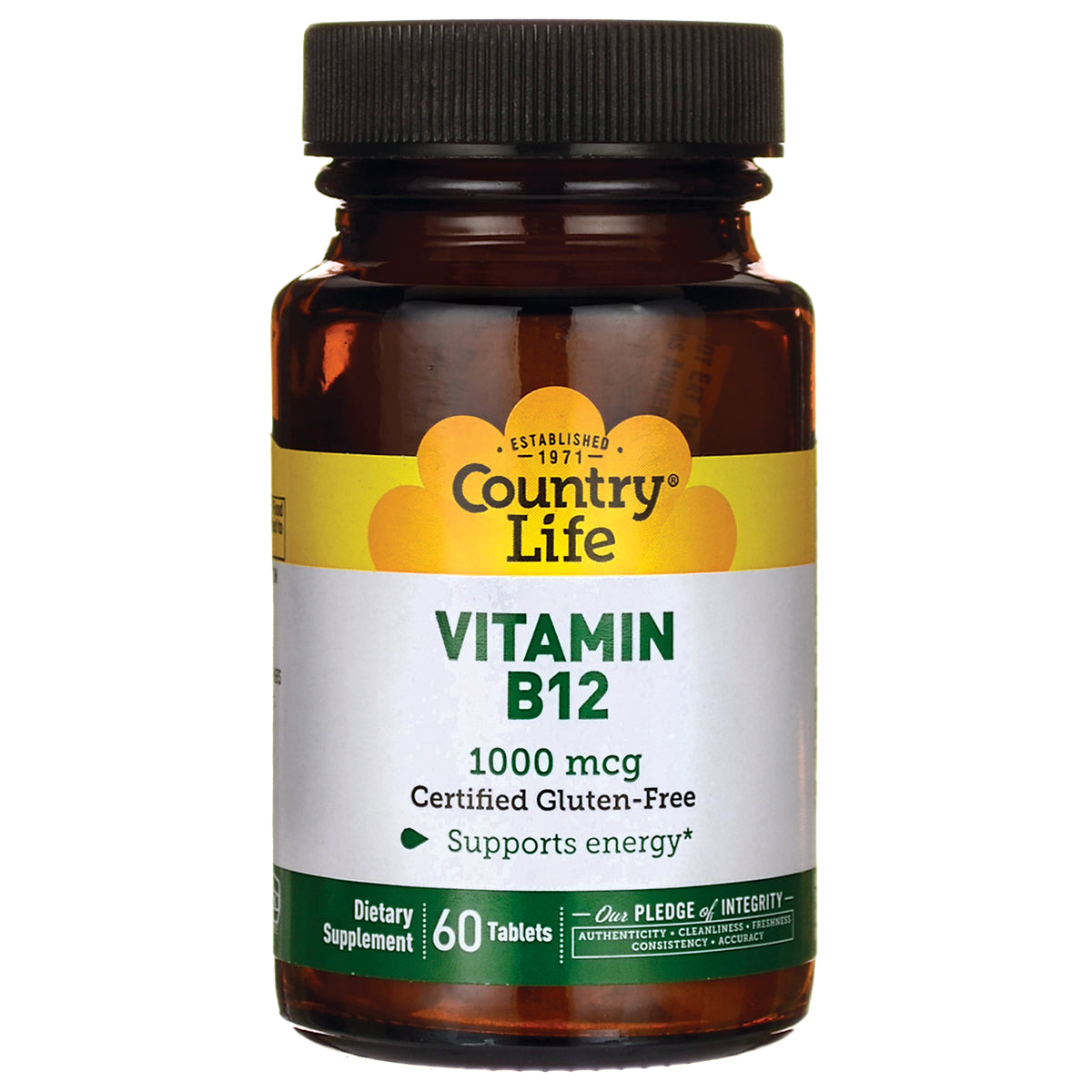
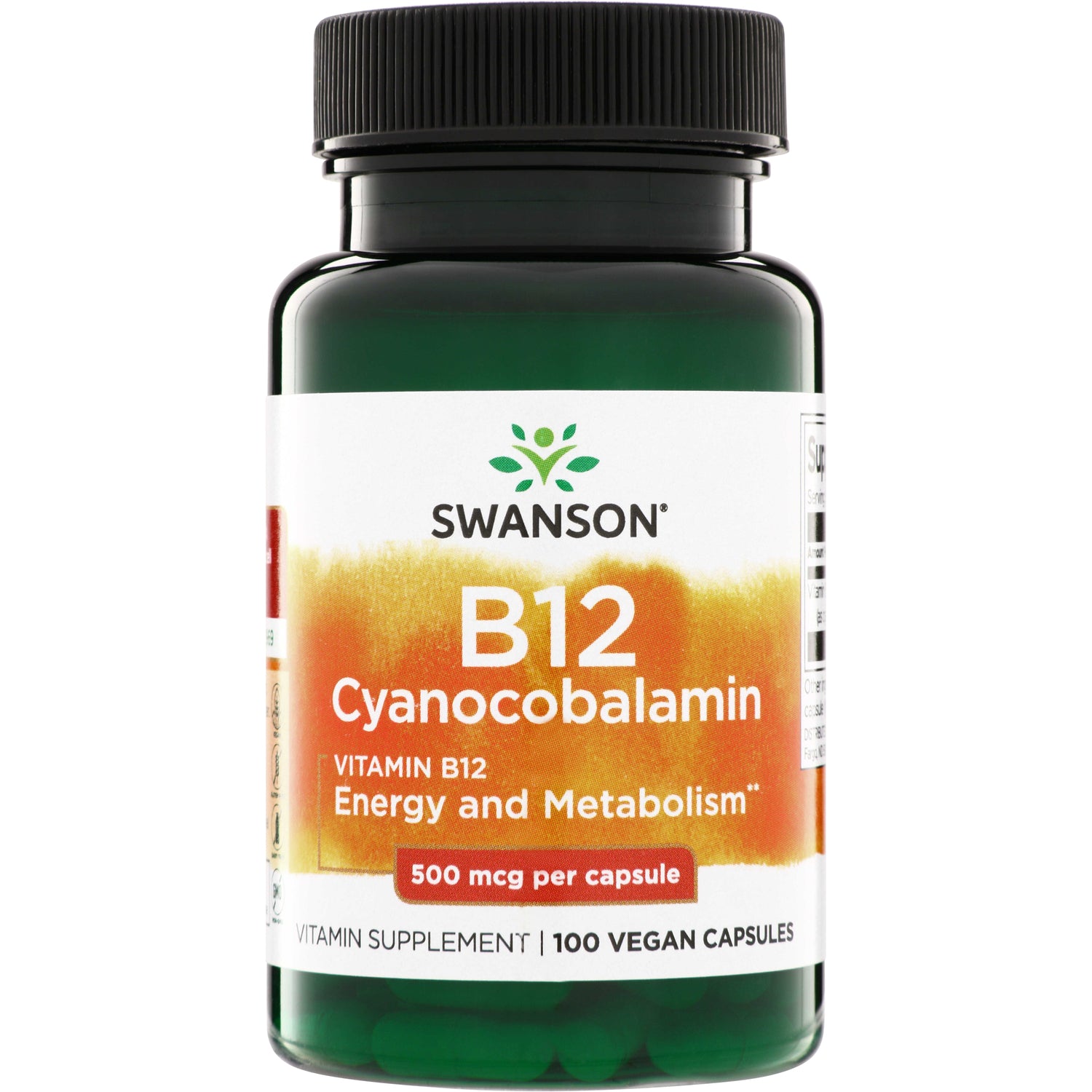
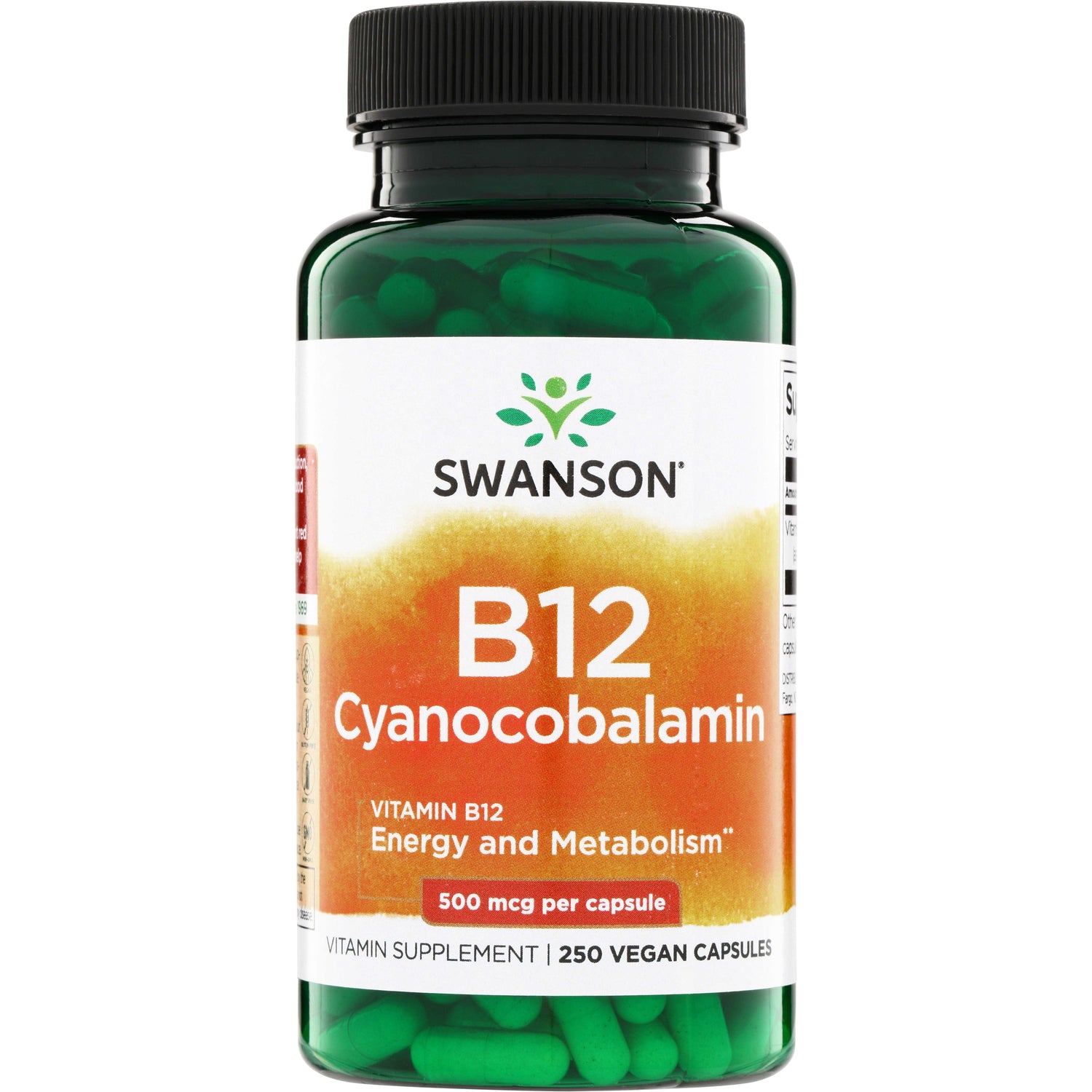
For vegetarians who include eggs and dairy, regularly consuming foods such as milk, yogurt, cheese, and eggs can provide part of the daily B12 requirement. Planning meals so that these foods appear across breakfast, lunch, or snacks can make it easier to reach typical intake targets suggested in dietary guidelines. Vegans and stricter plant‑based eaters usually depend on fortified foods and B12 supplements. Examples of fortified options include some plant milks, breakfast cereals, meat alternatives, and nutritional yeast products with added B12, but labels need to be checked carefully because not every brand is enriched. Distributing fortified foods over the day, or following supplement instructions from a health professional, tends to give more consistent intake than relying on occasional consumption.
Seaweed, Fermented Foods, and B12: What the Research Says
Seaweed, fermented soy products, and certain traditional foods are sometimes promoted as natural B12 sources for vegans, but research has shown a mixed picture. Some types of seaweed and fermented products contain compounds that look like B12 under laboratory tests but act as inactive analogues in the human body. These analogues may not support red blood cell formation or nerve function in the same way as true B12, and relying on them alone may leave blood levels unchanged. Because of this uncertainty, many nutrition organizations consider such foods interesting additions to a varied plant‑based diet, but not a stand‑alone strategy for meeting B12 needs. They can be enjoyed for flavor and cultural reasons, while fortified foods and supplements remain the primary tools for securing adequate intake.
Building a Balanced Vegetarian Diet With B12 in Mind
Creating a balanced vegetarian or vegan diet involves more than focusing on one nutrient, yet B12 deserves a dedicated place in meal planning. Many dietitians encourage plant‑based eaters to think in layers: base meals on whole grains, legumes, vegetables, fruits, nuts, and seeds, then intentionally add reliable B12 sources on top. For lacto‑ovo vegetarians, that might mean pairing lentil dishes with yogurt or including an egg‑based breakfast several times per week. Vegans might keep fortified plant milk on hand for coffee and cereal, choose fortified meat alternatives for convenience meals, or use B12‑fortified nutritional yeast as a seasoning. Regular health checkups and blood tests, especially for long‑term vegans, pregnant individuals, and older adults, provide an extra safety net and allow professionals to give tailored advice.
When to Seek Professional Guidance
Anyone considering major dietary changes, such as moving from a mixed diet to veganism, benefits from planning ahead rather than adjusting intake by trial and error. People with a history of digestive conditions, bariatric surgery, or long‑term use of certain medications that influence stomach acid may have different B12 needs than the general population. Pregnant and breastfeeding vegetarians and vegans have additional considerations because their intake also supports the developing child. In these situations, consulting a registered dietitian, physician, or other qualified health professional is recommended to discuss testing, appropriate supplement forms, and safe dosages. Information in this article is intended for general education and should be viewed as a starting point; it does not replace individualized medical or nutrition advice.
Practical Takeaways for Everyday Life
For many vegetarians, B12 becomes easier to manage once it is treated as a regular part of meal planning rather than an afterthought. Reading nutrition labels to identify fortified foods, scheduling periodic health checks, and keeping a simple supplement routine can all reduce the likelihood of unexpectedly low levels. Families with plant‑based children, older relatives, or busy schedules may find it helpful to map out a few reliable B12‑containing staples that fit their tastes and budget. Over time, these habits blend into everyday routines, allowing the focus to shift back to the broader reasons behind a vegetarian lifestyle, such as personal values or environmental concerns. As with any aspect of nutrition, staying informed and seeking professional input when needed provides an important foundation for long‑term wellbeing.